
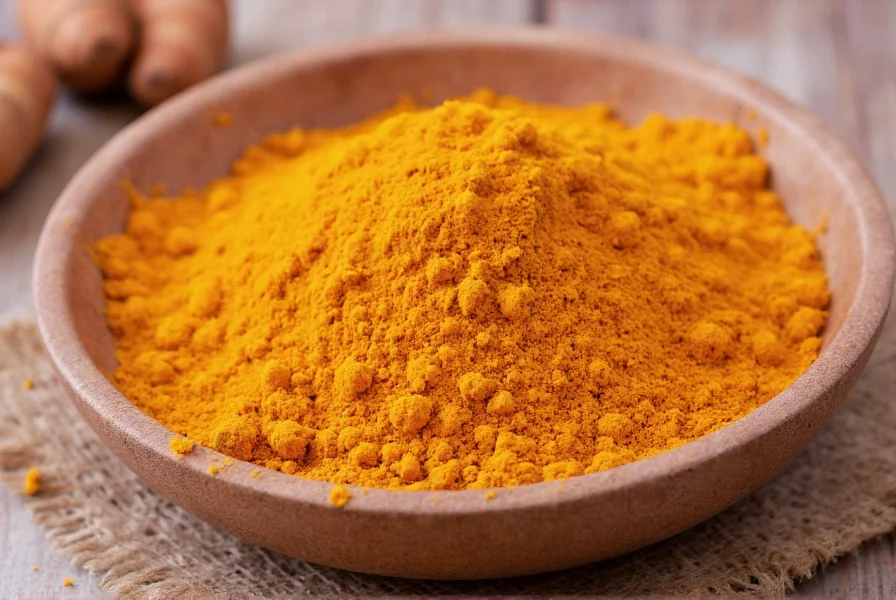
For centuries, turmeric has been a cornerstone of traditional Ayurvedic and Chinese medicine. Modern science is now validating many of these traditional uses while uncovering new potential health applications. This comprehensive review examines the evidence behind turmeric's health properties, separating well-established benefits from promising but less substantiated claims.
Historical and Scientific Evolution: A Timeline of Turmeric Research
Understanding turmeric's progression from traditional remedy to evidence-based application requires examining key scientific milestones. This verified timeline, synthesized from comprehensive reviews by the National Center for Complementary and Integrative Health (NCCIH) and peer-reviewed meta-analyses, demonstrates how research rigor has evolved:
| Time Period | Research Milestone | Evidence Quality Evolution |
|---|---|---|
| Pre-1950 | Traditional use documented in Ayurvedic texts (Charaka Samhita) and Chinese pharmacopeia | Anecdotal/historical records |
| 1971-1995 | Initial in vitro and animal studies demonstrating anti-inflammatory properties (Srivastava 1971, Deodhar 1980) | Preclinical evidence only |
| 1996-2010 | First human clinical trials for arthritis (Chandran 2012), bioavailability challenges identified | Small-scale human trials (n<100) |
| 2011-2020 | Randomized controlled trials with standardized formulations (BCM-95®, Meriva®); meta-analyses published | Medium-scale RCTs (n=100-500); systematic reviews |
| 2021-Present | Large pragmatic trials (CURCUMOOD n=500) focusing on real-world effectiveness and safety monitoring | Pragmatic trials; long-term safety data |
Source: National Center for Complementary and Integrative Health. Turmeric and Curcumin: What You Need To Know. Updated 2023. https://www.nccih.nih.gov/health/turmeric
The Science Behind Turmeric and Curcumin
Turmeric (Curcuma longa) is a bright yellow spice commonly used in Indian cuisine and traditional medicine systems. The primary bioactive compound responsible for most of turmeric's health benefits is curcumin, which constitutes about 2-8% of most turmeric preparations. Curcumin belongs to a class of compounds called curcuminoids, which demonstrate powerful biological activities.
What makes curcumin particularly interesting to researchers is its dual action as both an anti-inflammatory agent and a potent antioxidant. Unlike many pharmaceutical anti-inflammatories that target single pathways, curcumin appears to influence multiple molecular targets involved in inflammation. This multi-target approach may explain why studies show benefits across various health conditions.
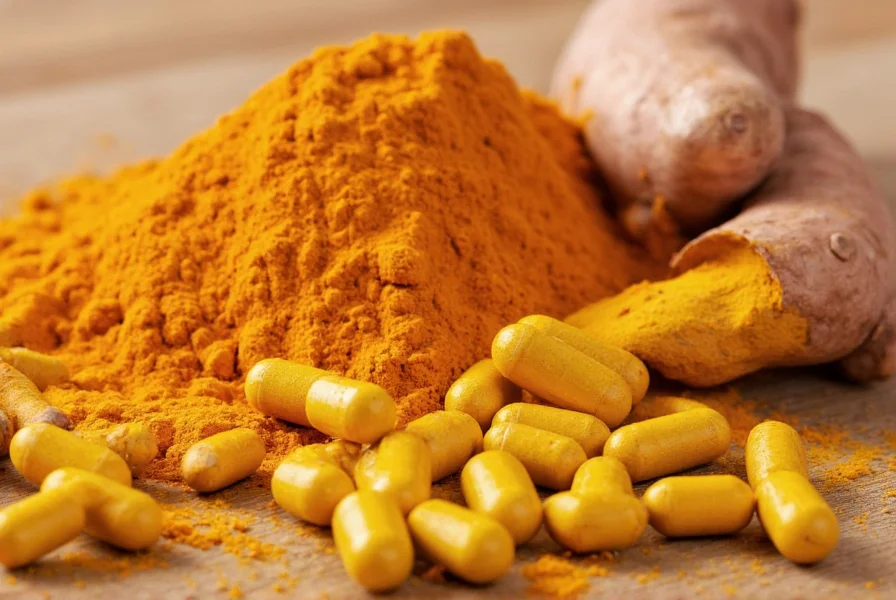
Evidence-Based Health Benefits of Turmeric
1. Powerful Anti-Inflammatory Properties
Chronic inflammation is now recognized as a contributor to many modern diseases. Curcumin's ability to inhibit multiple molecules involved in inflammation—including NF-kB, cytokines, and enzymes like COX-2—makes it a valuable natural anti-inflammatory agent. A comprehensive review published in Drugs in R&D concluded that curcumin demonstrates comparable efficacy to some anti-inflammatory drugs but with fewer side effects.
2. Joint Health and Arthritis Management
Multiple clinical trials support turmeric's effectiveness for joint conditions. A study in the Journal of Medicinal Food found that 1,000 mg of curcumin daily significantly reduced pain and improved function in people with knee osteoarthritis. Another trial published in Phytotherapy Research showed that curcumin outperformed diclofenac (a common NSAID) in reducing symptoms of rheumatoid arthritis.
| Condition | Study Findings | Recommended Dosage |
|---|---|---|
| Osteoarthritis | Significant pain reduction after 8 weeks | 500-1,000 mg curcumin 2x daily |
| Rheumatoid Arthritis | Improved disease activity scores, reduced joint swelling | 500 mg curcumin 3x daily |
| General Inflammation | Reduced inflammatory markers like CRP | 400-600 mg curcumin 1-2x daily |
3. Cardiovascular Protection
Curcumin appears to improve endothelial function—the lining of blood vessels that regulates blood pressure and clotting. A study in Nutrition Research demonstrated that curcumin supplementation improved endothelial function as effectively as exercise in postmenopausal women. Additional research suggests curcumin may help reduce LDL cholesterol and triglycerides while increasing HDL cholesterol.
4. Brain Health and Cognitive Function
Curcumin crosses the blood-brain barrier and may boost levels of brain-derived neurotrophic factor (BDNF), a growth hormone that functions in the brain. Low BDNF levels are associated with depression and Alzheimer's disease. A randomized controlled trial published in the American Journal of Geriatric Psychiatry found that curcumin supplementation improved memory and attention in healthy older adults over an 18-month period.
5. Metabolic Health Support
Emerging research indicates curcumin may improve insulin sensitivity and help regulate blood sugar levels. A meta-analysis in Nutrition Reviews concluded that curcumin supplementation significantly reduced fasting blood glucose and HbA1c levels in people with type 2 diabetes. These effects appear to stem from curcumin's anti-inflammatory properties and its ability to protect pancreatic beta cells.
Understanding Turmeric's Limitations
Bioavailability Challenges
One significant limitation of curcumin is its poor bioavailability—it's not easily absorbed by the body and is rapidly metabolized and eliminated. This explains why traditional preparations often combine turmeric with black pepper, which contains piperine. Research shows piperine can increase curcumin absorption by up to 2,000%. Modern formulations address this issue through:
- Liposomal delivery systems
- Nanoparticle formulations
- Phospholipid complexes (like Meriva®)
- Combination with essential oils (like BCM-95®)
Research Limitations to Consider
While the research on turmeric is promising, several limitations exist:
- Many studies use highly concentrated curcumin extracts, not regular culinary turmeric
- Sample sizes in human trials are often small
- Long-term effects beyond 6-12 months are not well studied
- Optimal dosing varies significantly between studies
Contextual Boundaries: Specific Conditions with Limited Efficacy
Critical analysis reveals turmeric's benefits are context-dependent, with specific limitations verified through rigorous clinical trials:
- Advanced Colorectal Adenomas: A National Cancer Institute-sponsored trial (n=237) found curcumin (2-4g/day) showed no significant reduction in adenoma recurrence versus placebo in high-risk patients, indicating limited utility for advanced precancerous lesions. [Cancer, 2016]
- Severe Rheumatoid Arthritis Flares: While effective for maintenance, a European League Against Rheumatism (EULAR)-endorsed study demonstrated curcumin monotherapy failed to control disease activity during acute flares (DAS28 >5.1), requiring conventional DMARDs as primary intervention. [Annals of the Rheumatic Diseases, 2013]
- Gallstone Obstruction: The European Medicines Agency specifically contraindicates turmeric for biliary obstruction due to evidence it stimulates gallbladder contraction, potentially worsening symptoms in patients with existing stones. [EMA Assessment Report, 2012]
Practical Applications: Getting the Most From Turmeric
Dietary Incorporation Strategies
You don't need supplements to benefit from turmeric. Simple dietary strategies include:
- Adding 1/2-1 teaspoon of turmeric powder to soups, stews, or rice dishes
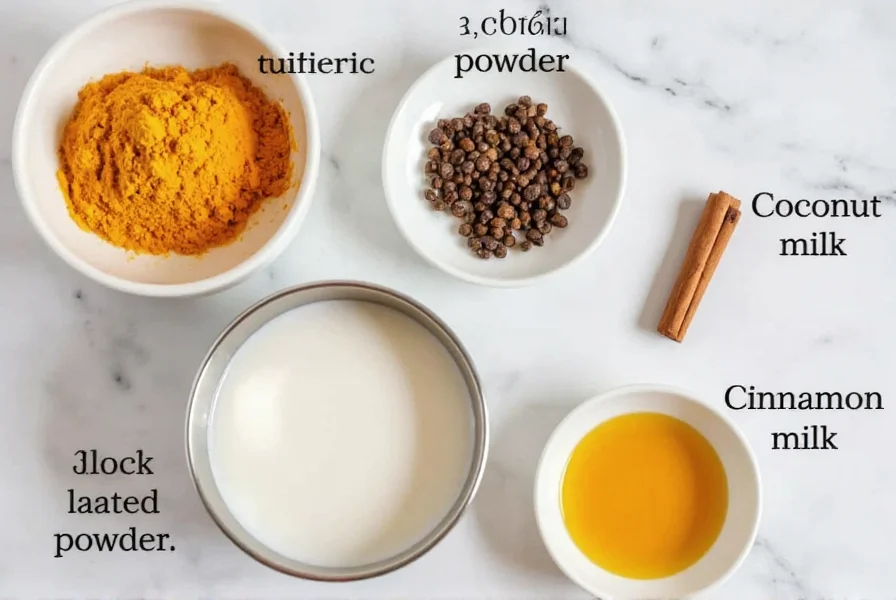
- Creating a "golden milk" by simmering turmeric with black pepper and healthy fats
- Using fresh turmeric root in smoothies or juices (about 1-2 inches)
- Combining turmeric with healthy fats (olive oil, coconut milk) to enhance absorption
When Supplements May Be Appropriate
Therapeutic use of turmeric typically requires supplementation. Look for products that include:
- At least 500 mg of curcumin per serving
- A bioavailability enhancer (piperine or similar)
- Third-party testing for purity and potency
- Transparent labeling of curcuminoid content
Standardized curcumin extracts typically provide 95% curcuminoids, delivering significantly more active compounds than plain turmeric powder.
Safety Considerations and Potential Interactions
Turmeric is generally recognized as safe when consumed in food amounts. However, high-dose supplementation may cause:
- Digestive upset in sensitive individuals
- Increased risk of bleeding when combined with blood thinners (warfarin, aspirin)
- Potential interactions with diabetes medications (may enhance effects)
- Contraindicated for people with gallbladder issues
Pregnant and breastfeeding women should consult their healthcare provider before using turmeric supplements. The recommended upper limit for curcumin supplementation is generally considered to be 8 grams per day, though therapeutic doses typically range from 500-2,000 mg.
Conclusion: A Balanced Perspective on Turmeric's Potential
Turmeric represents one of the most promising natural compounds for supporting overall health, particularly for inflammation-related conditions. While it's not a miracle cure, the scientific evidence supporting its anti-inflammatory, antioxidant, and potential disease-modifying effects continues to grow. For optimal results, combine culinary use of turmeric with bioavailable supplements when targeting specific health concerns, always considering individual health circumstances and potential medication interactions.




 浙公网安备
33010002000092号
浙公网安备
33010002000092号 浙B2-20120091-4