
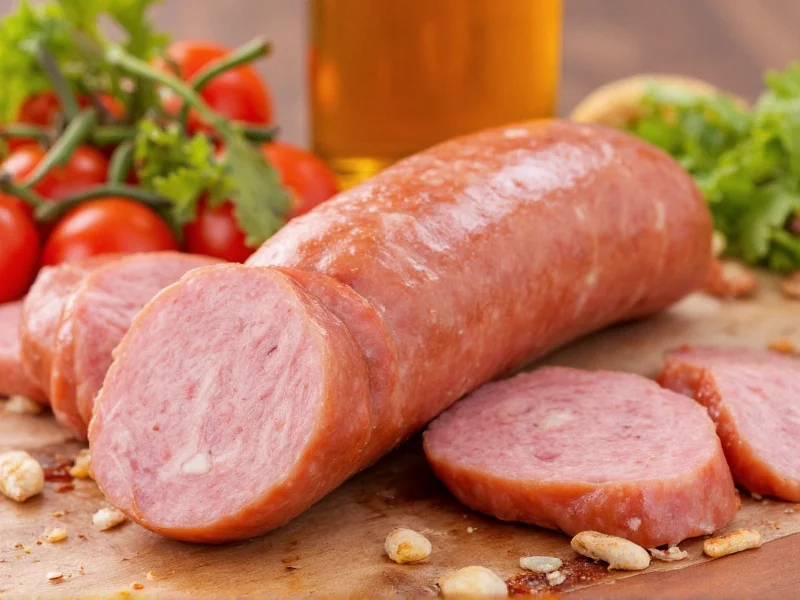
As a popular alternative in the cured meat category, turkey summer sausage has gained traction among health-conscious consumers seeking lower-fat options without sacrificing the convenience and shelf-stable nature of traditional summer sausage. This guide explores everything you need to know about this protein-rich food option, from its production process to practical usage tips.
What Makes Turkey Summer Sausage Different?
The primary distinction lies in the meat source and resulting nutritional profile. While traditional summer sausage typically contains 25-30% fat from pork or beef, turkey summer sausage leverages the naturally leaner composition of turkey breast, yielding a product with just 10-15% fat content. Manufacturers often supplement turkey meat with small amounts of pork fat (usually under 15%) to maintain moisture and prevent the sausage from becoming too dry during the curing process.
The fermentation process remains similar to conventional summer sausage, utilizing starter cultures that lower pH levels and create the distinctive tangy flavor. This acidification, combined with smoke application and controlled drying, creates an environment inhospitable to harmful bacteria, granting summer sausage its remarkable shelf stability without refrigeration until opened.
| Nutritional Component | Turkey Summer Sausage (per 1 oz) | Traditional Pork Summer Sausage (per 1 oz) |
|---|---|---|
| Calories | 90-100 | 130-150 |
| Total Fat | 6-7g | 11-13g |
| Saturated Fat | 2g | 4g |
| Protein | 6-7g | 6g |
| Sodium | 500-600mg | 550-650mg |
| Values based on Hormel Cure 81 Turkey Summer Sausage (USDA FDC ID: 170290). Source | ||
Evolution of Summer Sausage: Historical Timeline
The development of turkey summer sausage reflects evolving dietary science and consumer preferences. Key milestones demonstrate how regulatory guidance and market forces shaped this product category:
- Pre-1900s: Traditional pork/beef summer sausage developed in Central Europe as a preservation method for warm months using fermentation, smoking, and drying. (Kansas State University Meat Science)
- 1980: First Dietary Guidelines for Americans published, emphasizing reduced saturated fat intake and establishing foundational nutrition policy. (USDA/HHS)
- 1990-2000: U.S. turkey consumption increased 47% (15 to 22 lbs/capita) as lean protein demand grew, creating conditions for turkey-based processed meats. (USDA ERS)
- 2015: Dietary Guidelines reinforced lean protein recommendations, accelerating innovation in lower-fat processed meats like turkey summer sausage. (USDA/HHS)
Nutritional Benefits and Considerations
Turkey summer sausage provides several nutritional advantages for those monitoring their fat intake. The leaner protein profile makes it suitable for various dietary approaches, including heart-healthy eating plans and active lifestyles requiring substantial protein. Each serving delivers complete protein with all essential amino acids, supporting muscle maintenance and repair.
When evaluating low fat summer sausage options, check ingredient labels for added preservatives. While sodium nitrite remains necessary for safety in cured meats, some premium brands offer versions with reduced sodium content or alternative curing methods using celery juice powder (which naturally contains nitrates). The best turkey summer sausage recipes often incorporate these healthier versions for snacks and light meals.
Despite its advantages, turkey summer sausage still qualifies as a processed meat product. Health organizations recommend moderation in consumption of processed meats due to potential long-term health implications. For those seeking a healthy alternative to pork summer sausage, portion control remains important—stick to 1-2 ounce servings rather than consuming larger quantities.
Context Boundaries: Optimal Usage Scenarios
Understanding where turkey summer sausage excels—and where alternatives may be preferable—ensures optimal dietary integration:
- Ideal applications: Portable protein for active lifestyles (hiking, travel), heart-healthy diets prioritizing reduced saturated fat, and cold preparations like charcuterie where its firm texture shines.
- Significant limitations: Unsuitable for sodium-restricted diets (one ounce provides 25% of AHA's recommended daily limit). Hypertension patients should consult physicians about portion sizes. (American Heart Association)
- Cooking constraints: Avoid high-heat methods (frying, grilling) which cause excessive drying. Best used with minimal heating or in cold applications to preserve texture and moisture.
How to Enjoy Turkey Summer Sausage
This versatile protein shines in multiple culinary applications beyond simple snacking. Its firm texture holds up well to slicing thin for charcuterie boards, where it pairs beautifully with sharp cheeses, dried fruits, and whole-grain crackers. Many people wonder how to eat turkey summer sausage in more creative ways, and the answer lies in its adaptability to various cooking methods.
Try dicing it into breakfast scrambles as a lower-fat alternative to bacon or traditional sausage. The pre-cooked nature means it requires minimal additional cooking time. For lunch applications, slice it thinly and layer in sandwiches where its robust flavor stands up to bold condiments like mustard or horseradish sauce. Outdoor enthusiasts appreciate turkey summer sausage nutrition facts for backpacking trips, as it provides concentrated protein without refrigeration requirements.
Chefs increasingly incorporate turkey summer sausage into recipes requiring cured meats. Crumble it into pasta sauces for depth of flavor with less grease, or dice finely and use as a pizza topping that won't release excessive fat during baking. When exploring the best turkey summer sausage recipes, consider its compatibility with sweet elements—try wrapping thin slices around dates or pairing with apple slices for an elegant appetizer.
Storage and Shelf Life
Unopened turkey summer sausage maintains quality for 2-3 months at room temperature thanks to its curing process. Once opened, refrigerate and consume within 3 weeks for optimal flavor and safety. For extended storage, slice and freeze portions in airtight containers for up to 2 months. Thaw frozen portions in the refrigerator overnight before use.
Always inspect for signs of spoilage before consumption. Discard if you notice excessive moisture, mold growth beyond surface white mold (which is sometimes normal in fermented products), or off odors. Properly stored turkey summer sausage should maintain a firm texture and consistent color throughout.




 浙公网安备
33010002000092号
浙公网安备
33010002000092号 浙B2-20120091-4