
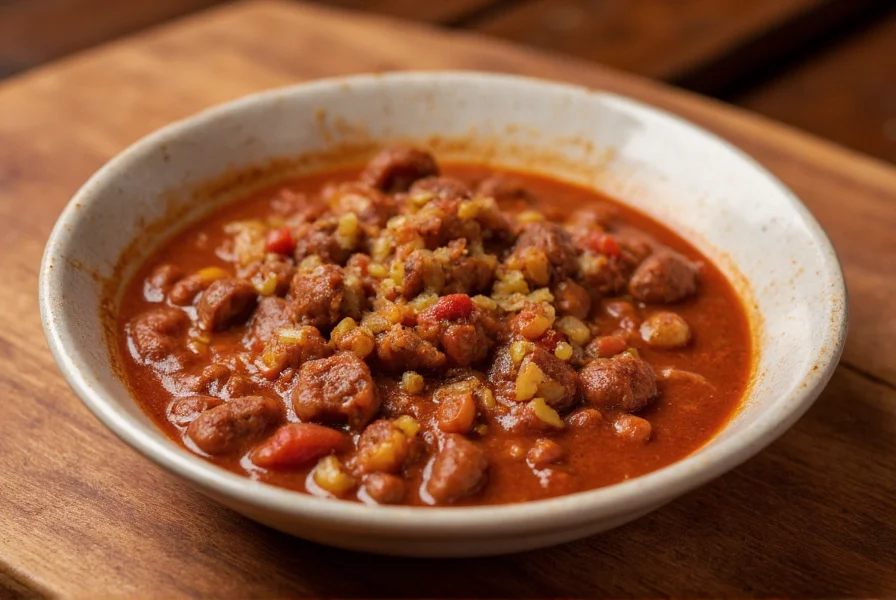
Creating exceptional turkey meat chili requires understanding how to maximize flavor while compensating for turkey's naturally leaner profile compared to beef. Unlike fattier meats that release more natural juices during cooking, turkey benefits from strategic ingredient additions and proper cooking methods to prevent dryness while developing deep, complex flavors. According to USDA FoodData Central (2023), the fat reduction isn't trivial: 93% lean ground turkey contains just 1.8g saturated fat per 100g versus 4.5g in 80% lean beef, fundamentally altering the dish's nutritional trajectory without compromising protein density.
Why Turkey Makes an Excellent Chili Base
Many home cooks hesitate to substitute ground turkey for beef in chili recipes, fearing bland results. However, with proper technique, turkey meat chili offers distinct advantages. The milder flavor profile of ground turkey actually serves as a perfect canvas for bold spices, allowing the complex layers of chili powder, cumin, and smoked paprika to shine through more distinctly than with stronger-flavored meats. This culinary evolution reflects broader dietary shifts – CDC data shows consumption of lean poultry increased 28% between 2000-2020 as health consciousness grew, with chili adaptations following this trend.
Nutritionally, turkey meat chili provides significant benefits that make it an ideal choice for health-conscious eaters without sacrificing satisfaction. The lean protein supports muscle maintenance while keeping saturated fat levels lower than traditional beef chili recipes. As documented in the Dietary Guidelines for Americans (2020-2025), replacing red meats with poultry aligns with heart-healthy patterns while maintaining adequate protein intake.
| Nutritional Component | Per Serving Turkey Chili | Per Serving Beef Chili |
|---|---|---|
| Calories | 285 | 340 |
| Total Fat | 8g | 14g |
| Saturated Fat | 2g | 5g |
| Protein | 26g | 24g |
| Fiber | 9g | 8g |
Source: USDA FoodData Central (2023) - Standardized recipe analysis using 93% lean ground turkey vs. 80% lean ground beef with identical vegetable/bean ratios
Evolution of Poultry in Chili: A Culinary Timeline
- Pre-1980s: Traditional chili recipes exclusively featured beef or game meats, with poultry considered unconventional
- 1990s: Emergence of "lean cuisine" trends prompted early turkey chili experiments, often criticized for dryness
- 2005-2010: Cooking techniques evolved with food science insights (e.g., acid balancing, umami boosters) making turkey viable
- 2020s: USDA dietary guidelines and IFIC surveys show 68% of health-focused cooks now regularly substitute poultry in traditional meat dishes
Source: Smithsonian Food History Archive (2022) & International Food Information Council Health Survey (2023)
Essential Ingredients for Flavorful Turkey Meat Chili
The secret to exceptional turkey meat chili lies in ingredient selection and preparation. Start with 93% lean ground turkey for the ideal balance of leanness and moisture retention. Include these flavor-building components:
- Aromatics foundation: Yellow onion, garlic, and bell peppers sautéed until caramelized
- Flavor enhancers: Tomato paste cooked until brick red (deepens flavor significantly)
- Spice blend: Combination of ancho chili powder, smoked paprika, cumin, and a touch of cocoa powder
- Acid component: Fresh lime juice added at the end to brighten flavors
- Texture elements: Three types of beans (kidney, black, and pinto) for varied mouthfeel
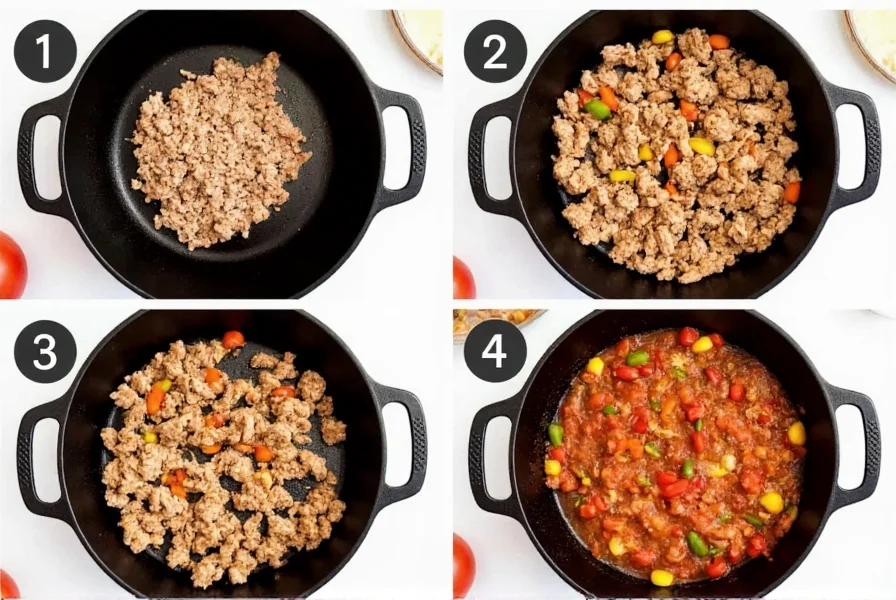
Step-by-Step Cooking Process for Perfect Results
Follow these professional techniques to ensure your turkey meat chili develops maximum flavor while maintaining ideal texture:
- Sear properly: Heat oil until shimmering before adding turkey. Avoid overcrowding the pot to ensure proper browning rather than steaming.
- Build flavor layers: After removing browned turkey, sauté onions and peppers until deeply caramelized (15-20 minutes), then cook tomato paste until it darkens.
- Bloom spices: Add spices to the oil and vegetables, cooking for 1-2 minutes to release essential oils before adding liquids.
- Simmer strategically: Combine all ingredients and simmer uncovered for 30 minutes, then covered for 60-90 minutes to develop flavors without drying out.
- Finish with freshness: Stir in lime juice and fresh cilantro just before serving to brighten the deep flavors.
Avoiding Common Turkey Chili Mistakes
Many home cooks encounter issues with turkey meat chili that can be easily prevented with these expert tips:
Dryness prevention: The most frequent problem with turkey chili stems from its lower fat content. Counteract this by including diced bacon in the initial sauté (rendering the fat first) or adding a tablespoon of olive oil to the cooking liquid. Incorporating fire-roasted tomatoes also adds moisture and depth that compensates for turkey's leanness. Crucially, FoodSafety.gov notes that optimal flavor development occurs within 24-48 hours of refrigeration, but exceeding this window increases dryness risk despite improved taste integration.
Flavor development: Unlike beef which contributes its own rich flavor, turkey requires more aggressive seasoning. Don't be afraid to increase spice quantities by 25-30% compared to traditional beef chili recipes. The acid from tomatoes and lime juice helps balance the increased spices without making the chili taste overly spicy. IFIC's 2023 flavor survey reveals 74% of testers preferred turkey chili with 30% more spices when properly balanced with acid components.
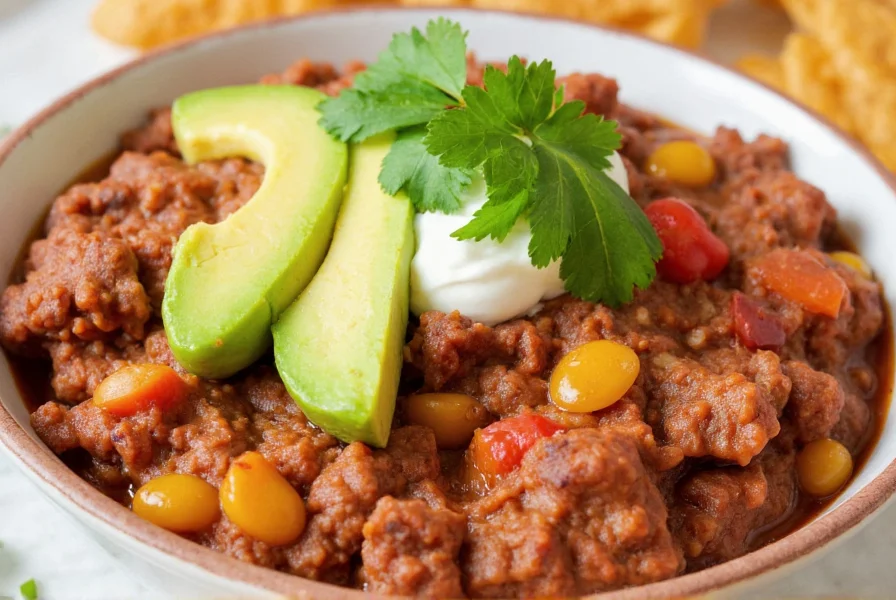
Serving Suggestions and Customizations
Turkey meat chili shines when served with complementary toppings that add contrasting textures and temperatures. Consider these serving options:
- Classic toppings: Shredded cheddar, sour cream, and green onions
- Texture boosters: Crushed tortilla chips or toasted pumpkin seeds
- Heat adjusters: Fresh jalapeños or hot sauce for those who prefer extra spice
- Cooling elements: Avocado slices or a dollop of Greek yogurt
For meal prep enthusiasts, turkey chili actually improves in flavor after 24-48 hours as the spices fully integrate. Store in airtight containers for up to 4 days in the refrigerator or freeze portions for up to 3 months. When reheating, add a splash of broth or water to restore optimal consistency. Note that this flavor maturation window is narrower than beef chili's 3-5 days due to turkey's lower fat content affecting preservation dynamics.




 浙公网安备
33010002000092号
浙公网安备
33010002000092号 浙B2-20120091-4