
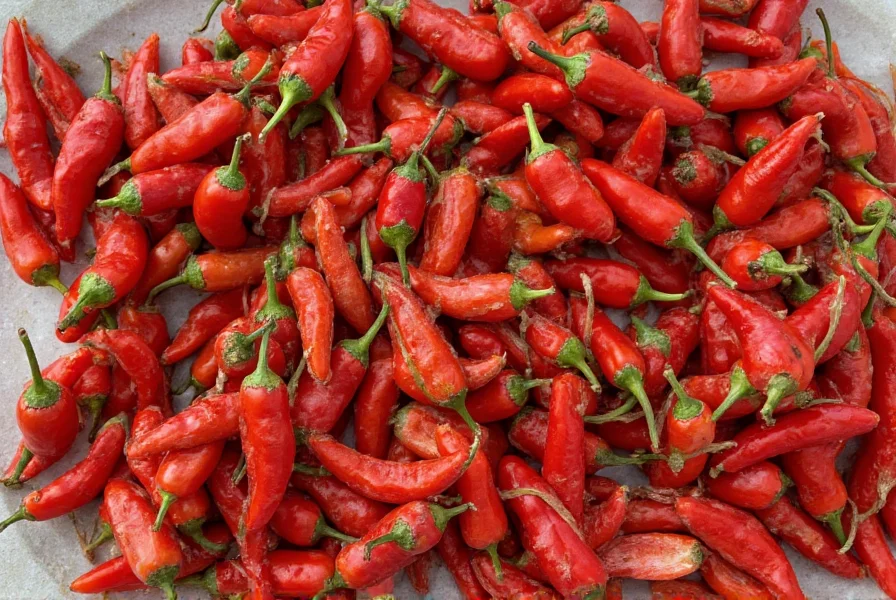
When searching for Red Pepper Taqueria locations and menu options, it's important to understand that multiple independent restaurants operate under similar names across different regions. Unlike national chains, these establishments maintain unique recipes and locally-sourced ingredients while sharing a common culinary theme centered around red pepper flavors.
Understanding Red Pepper Taqueria Concepts
The term Red Pepper Taqueria generally describes Mexican food establishments that incorporate roasted red peppers, guajillo peppers, or other red pepper varieties as signature ingredients. These restaurants distinguish themselves through:
- House-made red pepper salsas with varying heat levels
- Specialty marinades featuring smoked red peppers
- Traditional cooking methods preserving authentic Mexican flavors
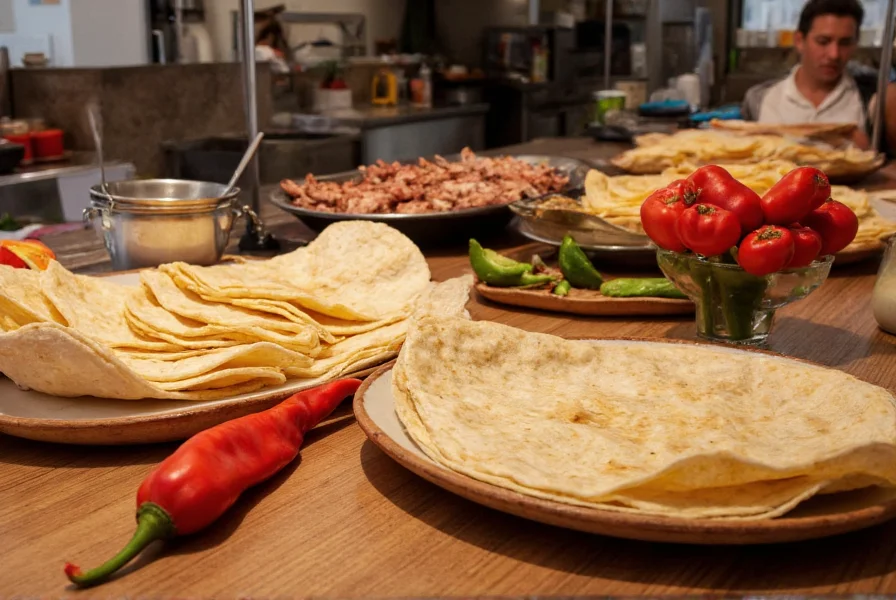
- Hand-pressed corn tortillas prepared fresh daily
Historical Evolution of Red Peppers in Mexican Cuisine
Mexican cuisine's relationship with red peppers spans millennia, with archaeological and anthropological evidence revealing distinct evolutionary phases:
- Pre-Columbian Era (6000 BCE - 1500s): Indigenous civilizations cultivated over 60 chili varieties, with Tehuacán Valley artifacts confirming domestication by 6000 BCE. Peppers functioned as currency, medicine, and culinary staples in Aztec and Maya societies. Source: Chile Pepper Institute, New Mexico State University
- Colonial Transformation (1500s-1800s): Spanish introduction of Old World ingredients created fusion dishes like mole poblano. The guajillo pepper emerged as central to central Mexican cuisine during this period of culinary syncretism.
- Modern Dissemination (1900s-Present): Mexican migration patterns spread regional specialties across North America. California's Baja-style taco movement in the 1970s popularized red pepper aiolis, establishing the foundation for contemporary "red pepper taqueria" concepts.
This progression explains why authentic establishments emphasize region-specific preparations - they're preserving culinary traditions developed through centuries of agricultural and cultural evolution.
What Makes Red Pepper Taquerias Unique
While many Mexican restaurants serve standard fare, establishments emphasizing red pepper in their name typically offer distinctive culinary elements. The best red pepper taqueria near me would demonstrate these characteristics:
| Feature | Standard Taqueria | Red Pepper Specialized Taqueria |
|---|---|---|
| Salsa Variety | Basic pico de gallo, verde | Multiple red pepper-based salsas (roasted, smoked, dried) |
| Meat Preparation | Standard marinades | Red pepper-infused marinades with regional variations |
| Tortilla Quality | Purchased or basic house-made | Hand-pressed using traditional techniques |
| Menu Specialties | Standard tacos, burritos | Signature red pepper dishes with authentic regional influences |
Finding Authentic Red Pepper Taqueria Experiences
When searching for authentic red pepper taqueria dining experiences, consider these factors to identify genuinely distinctive establishments:
Look for restaurants that source specific red pepper varieties like guajillo, árbol, or pasilla peppers rather than generic "red pepper" ingredients. The most authentic red pepper Mexican restaurant menu options will feature traditional preparation methods passed down through generations of Mexican culinary experts.
Many establishments with "red pepper" in their name focus on specific regional Mexican cuisines. For example, some specialize in Oaxacan mole recipes featuring multiple red pepper varieties, while others might emphasize Baja California-style fish tacos with red pepper aioli.
What to Expect When Visiting
Understanding the typical red pepper taqueria atmosphere and service style helps set appropriate expectations. Most authentic establishments maintain:
- Casual, counter-service environments focusing on food quality over ambiance
- Menu boards displaying daily specials and regional specialties
- Visible preparation areas where tortillas are made fresh
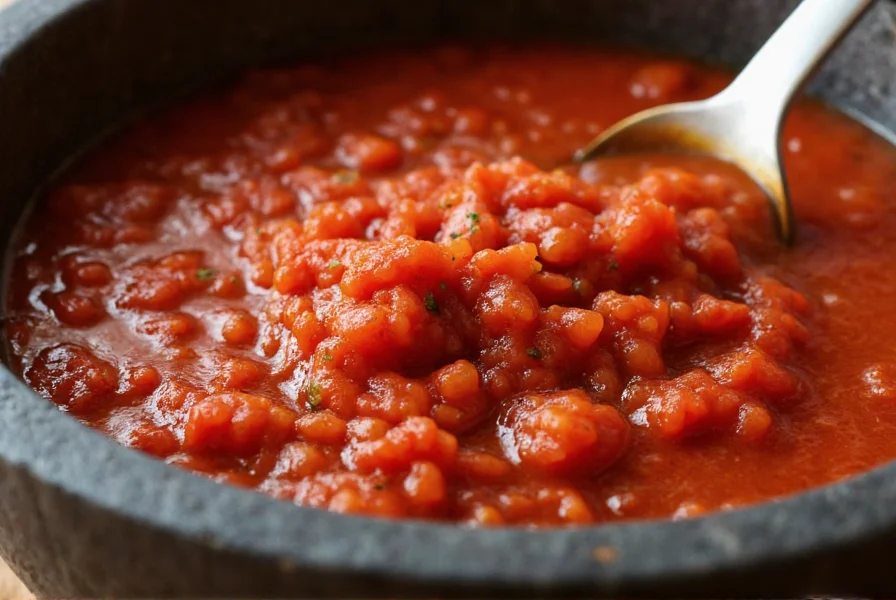
- Multiple red pepper sauce options with clearly marked heat levels
When ordering at a local red pepper taqueria near my location, don't hesitate to ask about the specific red pepper varieties used in their signature dishes. Knowledgeable staff at authentic establishments can describe the flavor profiles and heat levels of different pepper varieties.
Evaluating Quality and Authenticity
Determining the best red pepper taqueria in your area requires attention to specific quality indicators:
Examine whether the restaurant prepares tortillas in-house rather than using pre-made versions. Authentic establishments typically press corn tortillas fresh throughout the day. Additionally, check if they offer multiple red pepper-based salsas with distinct preparation methods rather than a single "red sauce."
The most reputable red pepper taco restaurant with positive customer reviews will feature consistent quality, knowledgeable staff about Mexican culinary traditions, and transparent ingredient sourcing. Look for establishments that can explain the regional origins of their recipes and pepper varieties.
Contextual Boundaries and Practical Considerations
While red pepper taquerias provide distinctive experiences, their appeal operates within specific biological and cultural parameters:
- Physiological Tolerance Limits: NIH research confirms capsaicin sensitivity varies significantly by genetics, with studies showing up to 50% of population differences in heat perception are hereditary. This explains why authentic establishments always provide mild alternatives alongside traditional preparations. Source: National Institutes of Health
- Geographical Sourcing Constraints: Authentic pasilla peppers require Mexico's specific microclimates. USDA agricultural data shows only 12 U.S. counties can cultivate comparable varieties, necessitating frozen imports that affect flavor complexity in non-regional markets.
- Cultural Knowledge Requirements: Traditional preparation assumes familiarity with Mexican dining customs. First-time visitors may misinterpret "spicy" labels - guajillo (2,500-5,000 SHU) offers fruitiness while árbol (15,000-30,000 SHU) delivers intense heat, requiring clear communication from staff.
Recognizing these boundaries helps manage expectations - optimal experiences occur when restaurants balance authenticity with accessibility for diverse palates.




 浙公网安备
33010002000092号
浙公网安备
33010002000092号 浙B2-20120091-4