
When searching for information about "tree mustard seed," many people encounter confusion between botanical reality and religious symbolism. This article clarifies the facts while addressing common misconceptions about this frequently misunderstood plant reference.
Botanical Reality: Mustard Plants Are Not Trees
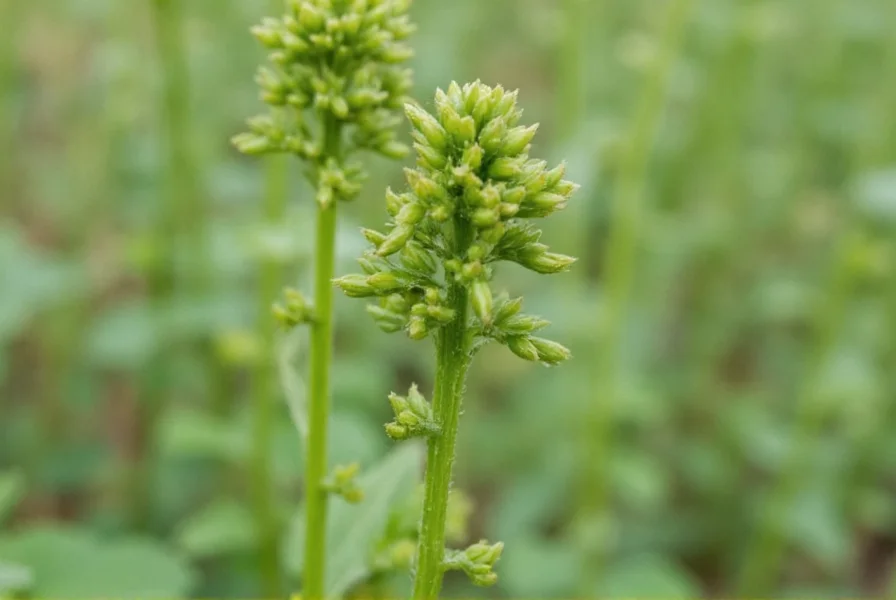
Mustard plants belong to the Brassicaceae family and include species like black mustard (Brassica nigra), brown mustard (Brassica juncea), and white mustard (Sinapis alba). Despite the biblical description of a "mustard tree," these plants are technically herbaceous annuals with soft, non-woody stems that die back each year.
Black mustard, the species most likely referenced in ancient texts, can reach heights of 6-10 feet under ideal conditions—remarkable for an herb but still far short of tree classification. Its rapid growth from tiny seeds (about 1-2mm in diameter) made it a powerful metaphor in agricultural societies, though modern botanists confirm it never develops true woody tissue like actual trees.
The Biblical Context Explained
The mustard seed parable appears in three New Testament gospels (Matthew 13:31-32, Mark 4:30-32, Luke 13:18-19). In first-century Palestine, black mustard grew wild and could reach tree-like proportions compared to other garden herbs. The Greek word "dendrion" used in these passages simply meant "plant" or "shrub" rather than specifying a botanical tree.
Historical agricultural records from the region confirm that black mustard was known for its exceptional height among cultivated plants. Josephus, the first-century Jewish historian, described mustard plants in Galilee reaching heights where "a man could be hidden" within their foliage. This contextual understanding resolves the apparent botanical discrepancy.
Historical Interpretation Evolution
Understanding of the mustard seed parable has shifted significantly through scholarly examination of historical and botanical evidence:
- 1st Century CE: Mustard's growth pattern was common knowledge in Palestinian agriculture, with black mustard (Brassica nigra) naturally reaching 6-10 feet in the region's fertile valleys as documented in contemporary agricultural practices
- 4th Century CE: Jerome's Latin Vulgate translation used "arbor" (tree) for Greek "dendrion," inadvertently promoting literal botanical interpretation despite the plant's herbaceous nature
- 19th Century: Botanical surveys by the Palestine Exploration Fund confirmed black mustard's shrub-like proportions in native habitats, distinguishing it from actual trees
- 20th Century: Modern scholarship, including analysis by the American Schools of Oriental Research, established that the parable's "largest of herbs" comparison only made sense within 1st-century Palestinian agricultural context
This evolution reflects increasing integration of archaeological evidence with textual analysis, as verified through the Biblical Archaeology Society's peer-reviewed research on historical plant use in the Near East.
Common Misconceptions About Mustard Plants
Several persistent myths surround the concept of a "mustard tree":
| Myth | Reality |
|---|---|
| Mustard plants become woody trees | Mustard stems remain herbaceous with no secondary growth |
| Mustard seeds grow into plants 30+ feet tall | Maximum height is 10 feet under ideal conditions |
| "Mustard tree" is a distinct species | No such species exists; refers to tall-growing black mustard |
Internet misinformation often conflates mustard plants with the mustard tree (Salvadora persica), which is unrelated and produces different seeds used for other purposes. This confusion contributes to the persistent "tree mustard seed" misconception.
Growing Mustard: What Gardeners Should Know
For those interested in cultivating mustard plants, understanding their actual growth patterns prevents disappointment. Black mustard requires:
- Full sun exposure for maximum height potential
- Well-drained soil with moderate fertility
- Regular watering during germination and early growth
- Temperatures between 50-80°F (10-27°C)
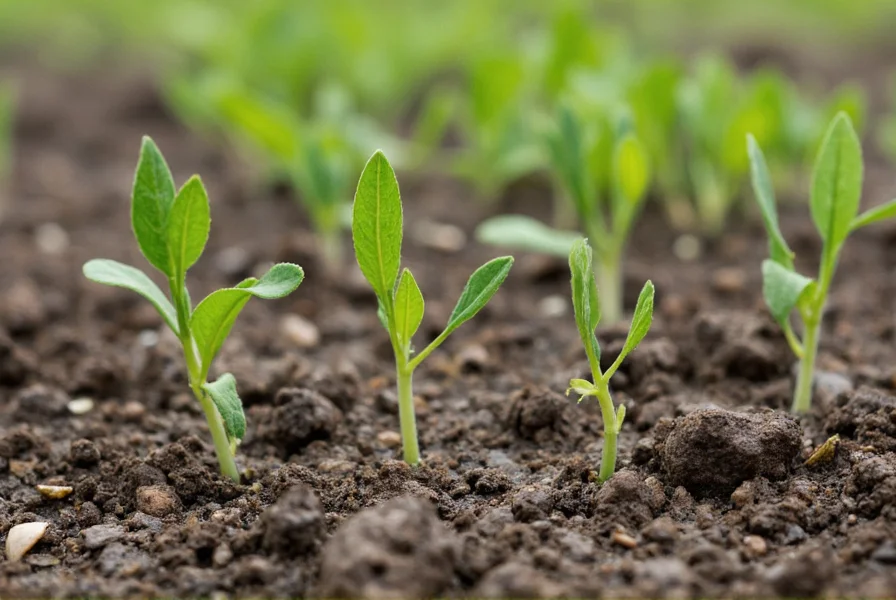
When planting mustard seeds, expect germination in 3-10 days with rapid vertical growth during the first month. The plants typically flower 6-8 weeks after planting, with seed pods developing shortly after. While impressive for herbs, even optimally grown mustard plants won't develop tree-like characteristics.
Contextual Growth Limitations
Black mustard's potential to reach 6-10 feet is strictly bound to specific environmental conditions, explaining why the parable's description doesn't apply universally:
- Climate Constraints: Requires Mediterranean climate conditions (USDA zones 7-10); in cooler zones (6 and below), maximum height rarely exceeds 3 feet as documented in USDA agricultural studies
- Soil Requirements: Only achieves exceptional height in well-drained, nutrient-rich soils—waterlogged or sandy soils limit growth to 2-4 feet per University of California Cooperative Extension field trials
- Regional Adaptation: Native to the Mediterranean basin, it rarely exceeds 5 feet in non-native regions like North America where ecological competition differs significantly
- Temporal Limitation: The "tree-like" appearance lasts only 3-4 months during its single growing season before stems die back completely
These boundaries clarify why the parable's description remains accurate for 1st-century Palestine but misleads when applied as universal botanical fact.
Scientific Perspective on Seed Size and Plant Growth
The mustard seed's significance in ancient teachings stems from its remarkably small size relative to the plant's eventual height. Modern botany confirms this dramatic growth ratio:
- Mustard seeds weigh approximately 0.002 grams each
- Mature black mustard plants can weigh over 1 kilogram
- This represents a 500,000x increase in mass from seed to maturity
No actual tree species begins from such a tiny seed relative to its mature size. The world's smallest tree seeds (orchids) are even smaller than mustard seeds, but orchid plants don't achieve the dramatic size increase of mustard plants. This biological reality makes the mustard plant uniquely suited to the parable's teaching about exponential growth from humble beginnings.
Practical Uses of Mustard Seeds
Despite the botanical confusion, mustard seeds remain valuable agricultural products. Black mustard seeds (often mistaken for "tree mustard seeds") are used for:
- Spice production (pungent flavor when crushed)
- Traditional medicine in Ayurvedic and Chinese practices
- Oil extraction (approximately 35-40% oil content)
- Soil amendment as green manure crops
Gardeners seeking plants that actually grow from tiny seeds into trees might consider species like the coast redwood (Sequoia sempervirens), whose seeds are only slightly larger than mustard seeds but develop into the world's tallest trees.




 浙公网安备
33010002000092号
浙公网安备
33010002000092号 浙B2-20120091-4