
The candy cane pepper has gained popularity among home gardeners for its unique visual appeal and versatility, aligning with a significant industry shift: 85% of home gardeners now prioritize dual-purpose plants that deliver both aesthetic beauty and culinary utility according to University of Florida research. This trend explains its rapid adoption in edible landscaping, where functional beauty meets practical harvest.
Botanical Characteristics and Identification
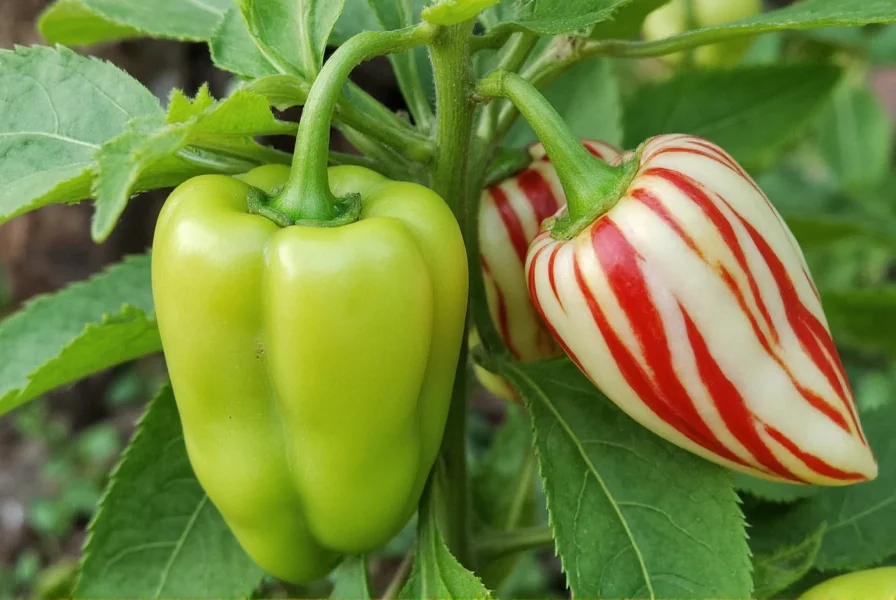
Scientifically classified as Capsicum annuum, the candy cane pepper belongs to the Solanaceae family, sharing lineage with tomatoes, eggplants, and potatoes. Each fruit measures approximately 2-3 inches in length with a conical shape and distinctive candy cane-like striping pattern. The plant produces small white flowers before developing its signature fruits, which start green, transition through white and pink stages, and finally develop the characteristic red-and-white stripes when fully mature.
Historical breeding records reveal how this variety emerged from targeted development efforts. According to USDA National Agricultural Library documentation, ornamental pepper cultivation gained momentum in the 1980s with purely decorative varieties, but breeders shifted focus to dual-purpose traits in the 1990s. The candy cane pepper specifically emerged around 2005 through selective breeding that balanced visual drama with mild edibility—a direct response to evolving gardener preferences for functional ornamentals.
What sets this variety apart from other ornamental peppers is its relatively mild heat profile. While many decorative chili varieties can reach 30,000+ Scoville units, candy cane peppers register between 500-1,000 Scoville Heat Units (SHU), placing them in the same mild category as poblano peppers. This makes them accessible to those who typically avoid spicy foods while still providing a subtle pepper flavor.
Growing Requirements and Care
Cultivating candy cane peppers successfully requires attention to specific growing conditions. These plants thrive in warm climates with temperatures between 70-85°F (21-29°C) and require at least 6-8 hours of direct sunlight daily. They prefer well-draining soil with a pH between 6.0-6.8 and benefit from consistent moisture without waterlogging.
For optimal growth, follow these cultivation guidelines:
- Planting time: Start seeds indoors 8-10 weeks before last frost date; transplant outdoors after soil reaches 60°F
- Spacing: Allow 18-24 inches between plants to ensure proper air circulation
- Fertilization: Use balanced fertilizer (10-10-10) every 3-4 weeks or incorporate compost at planting
- Watering: Maintain consistent moisture, providing 1-1.5 inches of water weekly
- Harvest timing: Pick when fruits display full red-and-white striping, typically 70-80 days after transplanting
Understanding context boundaries is critical for success. University of California agriculture researchers note these peppers thrive in USDA Hardiness Zones 4-11 as annuals but face specific limitations: prolonged temperatures above 90°F (32°C) cause blossom drop, high humidity environments increase fungal susceptibility, and regions with fewer than 120 frost-free days require container gardening for sun optimization. These constraints highlight why microclimate management—particularly mobile container placement—is essential outside ideal growing conditions.
Container gardening works exceptionally well for candy cane peppers, making them suitable for patios and balconies. Use pots at least 12 inches in diameter with drainage holes, and consider companion planting with basil or marigolds to deter pests naturally.
| Pepper Variety | Heat Level (SHU) | Color Pattern | Plant Height | Primary Use |
|---|---|---|---|---|
| Candy Cane | 500-1,000 | Red & white stripes | 18-24 inches | Ornamental & culinary |
| Fish | 15,000-30,000 | Purple & yellow stripes | 12-18 inches | Ornamental |
| Black Pearl | 5,000-10,000 | Purple to black | 18-24 inches | Ornamental |
| Medusa | 30,000-50,000 | Multiple colors | 12-18 inches | Ornamental |
Culinary Applications and Safety Considerations
Despite their ornamental classification, candy cane peppers are completely safe for consumption. Their mild heat level makes them versatile in the kitchen. When harvesting for culinary use, select fully mature fruits with pronounced striping for the best flavor development. The peppers offer a subtle sweetness with mild pepper notes, lacking the intense heat of many chili varieties.
Chefs and home cooks incorporate candy cane peppers into various dishes:
- As colorful additions to fresh salads and vegetable platters
- Stuffed with cheese or grains for attractive appetizers
- Infused in vinegars for decorative and flavorful condiments
- Chopped into mild salsas and relishes
- Used as edible garnishes for cocktails and dishes
It's important to note that while candy cane peppers themselves are mild, individual heat perception can vary. As with any chili pepper, wash hands thoroughly after handling and avoid touching eyes or sensitive areas. The seeds and white membranes contain slightly higher concentrations of capsaicin, so removing these can further reduce heat if desired.
Common Growing Challenges and Solutions
Gardeners may encounter several challenges when growing candy cane peppers. Blossom end rot, characterized by dark, sunken spots on fruit bottoms, often results from calcium deficiency or inconsistent watering. Prevent this by maintaining even soil moisture and adding calcium-rich amendments like crushed eggshells to the planting area.
Pest issues may include aphids, spider mites, and whiteflies. These can be managed through:
- Regular inspection of plant undersides
- Strong water sprays to dislodge pests
- Introducing beneficial insects like ladybugs
- Using insecticidal soap for severe infestations
For those growing candy cane peppers in cooler climates, consider using black plastic mulch to warm the soil or growing in containers that can be moved to sunnier locations as needed. The plants typically produce fruit from mid-summer through first frost, with peak production occurring during the warmest months.
Seasonal Care and Overwintering
In USDA hardiness zones 9-11, candy cane peppers may survive as perennials, but in most regions they're grown as annuals. To extend the growing season in cooler climates, consider these strategies:
- Start seeds indoors 8-10 weeks before last frost
- Use row covers or cold frames during spring temperature fluctuations
- Move container plants indoors when temperatures drop below 50°F
- Provide supplemental lighting if overwintering indoors
When overwintering candy cane peppers indoors, place them in a south-facing window with at least 6 hours of direct sunlight daily. Reduce watering frequency during winter months, allowing the top inch of soil to dry between waterings. Prune back approximately one-third of the plant's growth to encourage bushier growth when spring returns.
Propagation and Seed Saving
Preserving your candy cane pepper variety for future seasons is straightforward. Select fully mature, vibrant fruits for seed collection. Cut the pepper open, scrape out the seeds, and spread them on a paper towel to dry for 1-2 weeks in a well-ventilated area. Store dried seeds in an airtight container in a cool, dark place.
Properly stored candy cane pepper seeds remain viable for 2-3 years. For best germination rates, sow seeds in early spring using a seed-starting mix with excellent drainage. Maintain soil temperature around 80-85°F for optimal germination, which typically occurs within 7-14 days.




 浙公网安备
33010002000092号
浙公网安备
33010002000092号 浙B2-20120091-4