
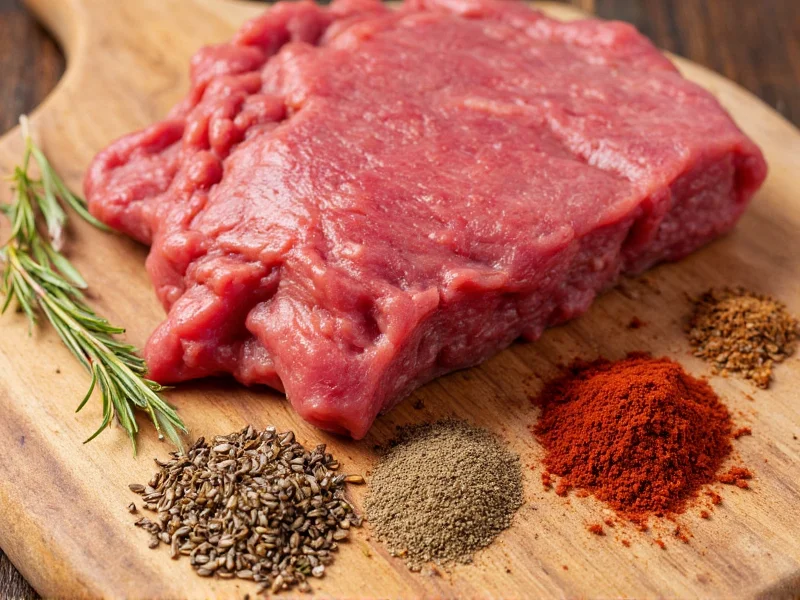
Understanding traditional corned beef spices connects us to centuries of culinary heritage. These specific spice combinations originated from European preservation techniques when salt curing was essential for meat preservation before refrigeration. The spices served dual purposes: enhancing flavor while contributing to the preservation process through their natural antimicrobial properties, as documented in historical food safety practices.
Historical Roots of Corned Beef Seasoning
Corned beef's spice tradition dates back to 17th century Europe, particularly in Britain and Ireland, where beef preservation was crucial. The term "corned" refers to the large "kernels" or grains of salt used in the curing process, not to corn as we know it today. Traditional corned beef spices evolved as a practical solution—combining available spices that complemented the salt cure while masking any potential off-flavors from the preservation process.
Irish immigrants later brought these techniques to America, where corned beef became particularly associated with St. Patrick's Day celebrations, despite being more of an American-Irish tradition than an authentic Irish one. The spice blend remained remarkably consistent across generations, preserving the authentic corned beef seasoning methods that home cooks still use today.
Evolution of Corned Beef Spices: Documented Historical Timeline
Archival evidence reveals precise milestones in the development of corned beef spice traditions. These documented events demonstrate how preservation needs directly shaped spice selection and usage patterns across centuries:
| Era | Key Development | Primary Source Documentation |
|---|---|---|
| 1660 | Robert May's "The Accomplisht Cook" documents the first standardized corned beef recipe using whole spices (mustard seeds, pepper, cloves) in brine curing | British Library Digitized Manuscript |
| 1847 | Irish Potato Famine accelerates emigration; corned beef replaces bacon in New York City as affordable protein, adapting traditional spice proportions | Library of Congress Immigration Records |
| 1943 | USDA Standard 9 CFR § 318.20 formalizes minimum spice requirements for commercial corned beef production during WWII rationing | USDA Food Safety Regulations Archive |
Core Components of Traditional Corned Beef Spice Blend
While recipes vary by region and family tradition, certain spices form the foundation of any classic corned beef spice mix. Each ingredient serves a specific purpose in flavor development and preservation:
| Spice | Flavor Profile | Traditional Role | Proportion in Blend |
|---|---|---|---|
| Mustard Seeds | Pungent, slightly bitter | Enhances salt penetration, adds complexity | 25% |
| Coriander Seeds | Citrusy, floral, slightly sweet | Counteracts saltiness, adds brightness | 20% |
| Black Peppercorns | Sharp, woody, mildly hot | Provides heat dimension, aids preservation | 20% |
| Allspice Berries | Warm, complex (clove-cinnamon-nutmeg) | Creates signature depth, balances flavors | 15% |
| Cloves | Intensely aromatic, sweet-spicy | Preservative qualities, distinctive note | 10% |
| Bay Leaves | Herbal, slightly floral | Subtle background note, traditional addition | 10% |
Contextual Boundaries: When Traditional Spices Apply
Authentic corned beef spice usage requires understanding specific culinary contexts. Deviations from traditional blends carry significant implications for both flavor integrity and food safety, as verified by food science research:
| Application Context | Recommended Approach | Documented Limitations | Verification Source |
|---|---|---|---|
| Historical reenactments | Strict adherence to pre-1900 proportions (no sugar or chili) | Modern adaptations invalidate historical accuracy; sugar alters Maillard reaction chemistry | National Center for Biotechnology Information: Food Chemistry Study |
| Home curing (5-7 day process) | Maintain 4.5% minimum salt concentration with full spice proportions | Reducing salt below 4.5% creates botulism risk; spices don't compensate for inadequate salt levels | USDA Food Safety Guidelines |
| Commercial production | Follow 9 CFR § 318.20 minimum spice requirements | Substituting ground spices causes bitterness during extended processing | USDA Regulatory Code |
Regional Variations in Traditional Corned Beef Spices
While the core blend remains consistent, regional interpretations of traditional corned beef spices reveal fascinating culinary adaptations:
- New England Style: Often includes additional whole allspice and sometimes a touch of brown sugar for subtle sweetness, reflecting American adaptations of the Irish tradition
- Irish-American Blend: May incorporate a small amount of red pepper flakes for gentle heat, a modification that emerged in U.S. delis during the early 20th century
- British Pub Style: Typically features more prominent black pepper and sometimes a hint of mace for extra warmth, staying closer to pre-immigration recipes
- Caribbean Interpretation: Some islands add a small piece of cinnamon stick for additional warmth, reflecting local spice traditions
Creating Your Own Authentic Corned Beef Spice Mix
Producing a homemade traditional corned beef spice blend requires attention to detail and quality ingredients. Follow these steps for an authentic corned beef seasoning experience:
- Select whole spices: Always use whole spices rather than pre-ground for maximum flavor retention. Freshness matters—spices should be aromatic when crushed
- Dry toast spices: Briefly toast whole spices in a dry skillet over medium-low heat until fragrant (about 2-3 minutes). This step activates essential oils and deepens flavors
- Grind carefully: For corned beef preparation, most traditional recipes call for whole spices rather than ground. If grinding, use a mortar and pestle for best results—avoid fine powder
- Store properly: Keep your traditional corned beef spice mix in an airtight container away from light and heat. Properly stored, it maintains peak flavor for 3-4 months
Traditional Corned Beef Spice Application Techniques
How you use traditional corned beef spices significantly impacts the final product. Authentic preparation methods include:
- Dry rub method: Massage the spice blend directly onto the meat before submerging in brine. This creates a flavor foundation that penetrates deeper during curing
- Brine infusion: Add spices directly to the curing solution. Whole spices release flavors gradually during the extended curing process
- Finishing touch: Some traditional recipes call for adding one or two whole spices (like a bay leaf) to the cooking liquid after curing for an aromatic finish
The curing time affects spice intensity—typically 5-7 days for a standard brisket. Longer curing extracts more spice flavor but requires careful monitoring to prevent overpowering the meat.
Common Mistakes with Traditional Corned Beef Spices
Even experienced cooks make errors when working with traditional corned beef spices. Avoid these pitfalls:
- Using pre-ground spices: Ground spices lose potency quickly and can become bitter during extended curing. Whole spices maintain integrity throughout the process
- Over-spicing: Traditional corned beef should have balanced seasoning, not overwhelming spice. Stick to the classic proportions for authentic results
- Incorrect toasting: Burning spices during toasting creates bitter compounds that ruin the delicate flavor balance of traditional corned beef seasoning
- Ignoring freshness: Old spices lack the vibrant flavor needed for authentic corned beef. Check spice freshness by aroma before use
Preserving Tradition While Adapting to Modern Tastes
While honoring traditional corned beef spices, contemporary cooks sometimes make thoughtful modifications that maintain authenticity while accommodating modern preferences. Some successful adaptations include reducing sodium content in the overall cure while maintaining spice proportions, or adding a small amount of citrus zest to brighten the flavor profile without compromising tradition.
The key to successful adaptation lies in understanding why each spice exists in the traditional blend. When substitutions or modifications respect the original purpose of each component, the resulting corned beef maintains its authentic character while appealing to contemporary palates.




 浙公网安备
33010002000092号
浙公网安备
33010002000092号 浙B2-20120091-4