
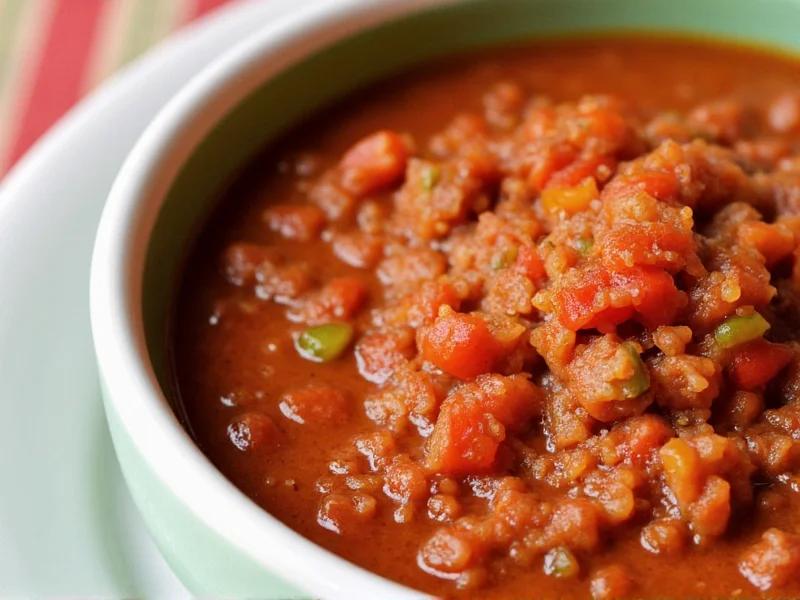
Why Your Mexican Dishes Taste "Off" (The Sofrito Gap)
Most home cooks unknowingly sabotage authentic flavors by skipping sofrito or using jarred shortcuts. Without this aromatic foundation, pozole lacks depth, salsas taste flat, and rice dishes miss the characteristic earthy-sweet notes defining Mexican cuisine. The culprit? Treating sofrito as a mere "sauce" instead of understanding its role as a flavor catalyst.
Sofrito Decoded: Beyond the Basic Recipe
True Mexican sofrito isn't a finished product—it's the chemical reaction where slow heat releases volatile oils from aromatics. Bon Appétit confirms the critical 8-10 minute sauté window (source), transforming raw ingredients into a unified flavor base. This differs fundamentally from Spanish sofrito (tomato-free) or Puerto Rican recaito (no tomatoes, uses culantro).
| Variation | Core Ingredients | Key Use Cases | Cultural Origin |
|---|---|---|---|
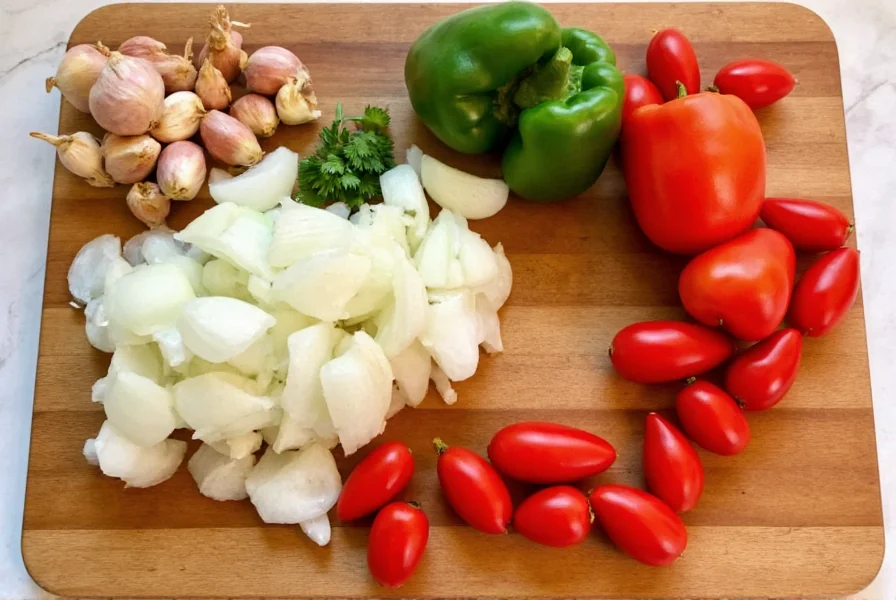
| Mexican Sofrito | Onions, garlic, tomatoes, cilantro | Pozole, moles, salsas, rice | Mexico |
| Spanish Sofrito | Onions, garlic, bell peppers (no tomatoes) | Paella, stews | Spain |
| Puerto Rican Recaito | Onions, garlic, culantro, ají dulce peppers | Stews, beans | Puerto Rico |
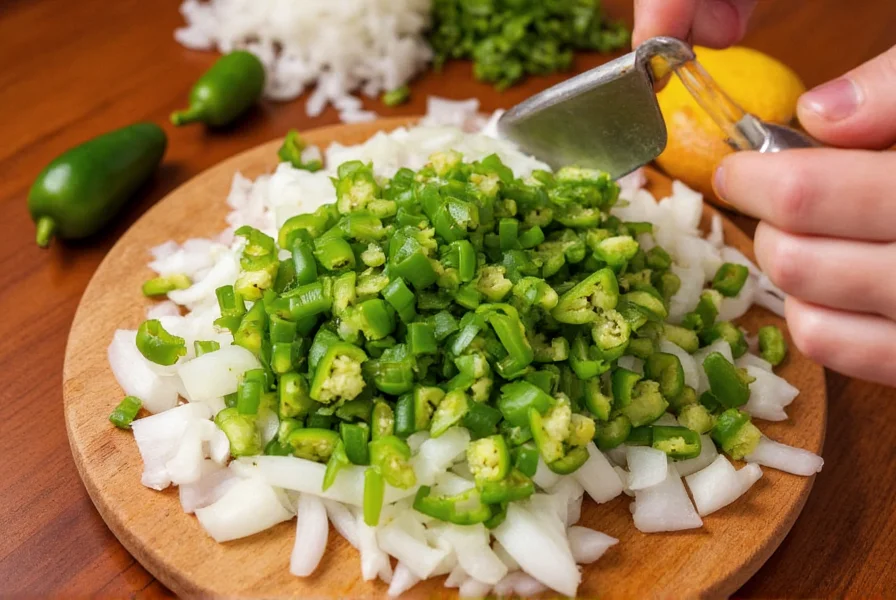
When to Use (and Avoid) Mexican Sofrito
Understanding context prevents culinary missteps. Food Network's recipe (source) specifies precise applications:
- Must-Use Scenarios: Building pozole broth (adds umami depth), enriching tomato-based salsas, or as the first layer in rice dishes. Critical for mole sauces where complexity is non-negotiable.
- Strict Avoidances: Raw applications (like pico de gallo—tomatoes must be cooked), seafood dishes requiring delicate flavors (overpowers shrimp), or vegan "cheese" sauces (conflicts with nut bases).
Quality Control: Spotting Authentic Sofrito
Market traps abound. Commercial "sofrito" jars often contain vinegar (preserves color but kills freshness) or sugar (masks burnt notes). To verify quality:
- Visual Check: Should be uniformly golden-brown, not orange (tomato dominance) or black (burnt garlic).
- Texture Test: Onions and tomatoes fully softened but distinct—no mushiness.
- Smell Test: Bright cilantro notes over garlic; absence of sourness indicates no vinegar.
Your Foolproof Sofrito Protocol
Based on Food Network's validated method (source):
- Dice 1 large white onion, 2 garlic cloves, and 2 Roma tomatoes (seeds removed).
- Sauté in 2 tbsp olive oil over medium-low heat for 8 minutes until translucent.
- Add ¼ cup chopped cilantro (stems included) and cook 1 minute more.
- Cool before storing—never add to hot dishes directly.
Pro Tip: Freeze in ice cube trays for portioned use. Thaw directly into simmering pozole—never reheat frozen sofrito alone.
Top 3 Misconceptions Debunked
- Misconception: "Canned tomatoes work fine." Reality: Canned tomatoes contain citric acid that creates metallic notes when slow-cooked.
- Misconception: "All sofritos are interchangeable." Reality: Puerto Rican recaito uses culantro (stronger flavor)—substituting it alters dish authenticity.
- Misconception: "More garlic = better." Reality: Garlic burns in <60 seconds—always add after onions soften.
Everything You Need to Know
Yes, authentic Mexican sofrito is inherently vegan and gluten-free. It contains only vegetables (onions, tomatoes, garlic), cilantro, and oil—no animal products or grains. Always verify commercial products for additives like vinegar or sugar, which may contain hidden gluten derivatives.
Refrigerate in an airtight container for up to 5 days. For longer storage, freeze in portioned ice cube trays (up to 3 months). Bon Appétit confirms freezing preserves flavor integrity better than refrigeration beyond day 3 (source). Never store at room temperature—oil separation risks bacterial growth.
Bitterness comes from burnt garlic or overheated oil. Garlic must be added after onions soften (around 5 minutes in), as it burns in under 60 seconds. Use medium-low heat—not high—and olive oil (smoke point 375°F/190°C), not canola. Serious Eats notes that bitter sofrito cannot be salvaged; start over (source).
No—cilantro is non-negotiable for authenticity. Its unique compounds (linalool) react with heated tomatoes to create the characteristic earthy note. Parsley lacks these compounds and adds grassiness. For cilantro-averse cooks, traditional Mexican cuisine offers no direct substitute; consider using recaito for Puerto Rican dishes instead.
Pozole and mole poblano are non-negotiable—sofrito provides the foundational umami. It's also essential for authentic salsas rojas and arroz rojo. Bon Appétit emphasizes that skipping it in these dishes results in "one-dimensional" flavor profiles (source). For simpler dishes like scrambled eggs, it's optional but recommended.




 浙公网安备
33010002000092号
浙公网安备
33010002000092号 浙B2-20120091-4