
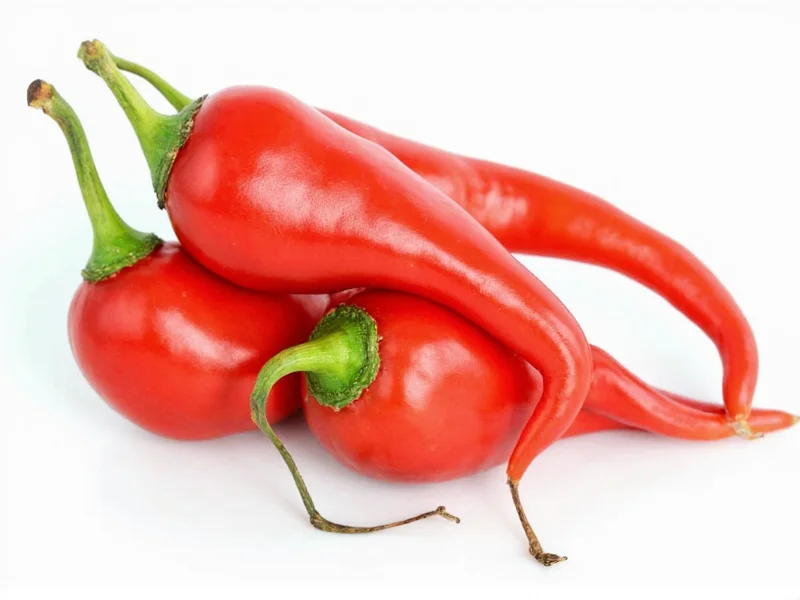
When exploring the world's most intense chili peppers, understanding the science behind the burn is crucial. The Scoville scale, developed by Wilbur Scoville in 1912, measures capsaicin concentration—the compound responsible for chili heat. Modern testing uses high-performance liquid chromatography (HPLC) for precise measurements, replacing Scoville's original subjective taste test method. Today's hottest peppers register over 1 million SHU, dwarfing common jalapeños (2,500-8,000 SHU) and habaneros (100,000-350,000 SHU).
The Science of Extreme Heat
Capsaicinoids, particularly capsaicin and dihydrocapsaicin, trigger pain receptors in the mouth and skin. The body responds by releasing endorphins, creating the "chili high" enthusiasts seek. Extreme peppers require careful handling—always wear gloves and avoid contact with eyes or sensitive skin. The current verified record holder, the Carolina Reaper, was developed by South Carolina breeder Ed Currie and officially recognized by Guinness World Records in 2013.
Detailed Profiles of the Top 5 Hottest Chili Peppers
1. Carolina Reaper (1,400,000-2,200,000 SHU)
Bred by Ed Currie of PuckerButt Pepper Company, this red, bumpy pepper features a distinctive stinger tail. Despite its extreme heat, it offers surprising fruity, sweet undertones before the intense burn hits. The average Carolina Reaper measures around 1.6 million SHU, with some specimens exceeding 2 million. It's used in hot sauces, chili challenges, and even medicinal applications for pain relief. When handling Carolina Reaper peppers, professional chefs recommend using nitrile gloves and working in well-ventilated areas to avoid inhaling capsaicin particles.
2. Trinidad Moruga Scorpion (1,200,000-2,000,000 SHU)
Originating from Moruga, Trinidad, this pepper earned its scorpion name from its tail-like appendage. It delivers a slow-building heat that peaks dramatically, often causing physical reactions. The Moruga Scorpion has a complex flavor profile with notes of fruit and smokiness before the intense burn. Unlike some super-hots, it grows well in various climates and produces abundant yields. Gardeners cultivating Trinidad Moruga Scorpions should note that soil composition significantly affects heat levels, with stressed plants producing hotter peppers.
3. 7 Pot Douglah (900,000-1,800,000 SHU)
Named because one pepper can spice seven pots of stew, this chocolate-brown variety from Trinidad offers earthy, coffee-like flavors beneath its intense heat. The 7 Pot Douglah matures slowly, taking up to 120 days, and requires specific growing conditions. Its heat builds gradually but lasts longer than many super-hots. Culinary experts note that the Douglah's complex flavor makes it preferable for gourmet hot sauces compared to more one-dimensional super-hots. When processing 7 Pot Douglah peppers, experienced handlers recommend using a food processor outdoors to minimize airborne capsaicin exposure.
4. Trinidad Scorpion Butch T (800,000-1,463,700 SHU)
Bred by Butch Taylor in Trinidad, this pepper held the world record before being surpassed by the Carolina Reaper. It features a rough, pockmarked skin and distinctive scorpion tail. The heat hits quickly with intense, immediate burning that gradually spreads. Butch T peppers have a bright, fruity aroma that belies their extreme heat. Professional tasters describe the experience as starting with tropical fruit notes before descending into what many call "pure fire." The Trinidad Scorpion Butch T remains popular among chili enthusiasts for its reliable heat levels and distinctive flavor profile.
5. Naga Viper (874,600-1,382,118 SHU)
Created in the UK by selectively breeding Naga Morich, Bhut Jolokia, and Trinidad Scorpion peppers, the Naga Viper was briefly the world's hottest in 2011. It features a tapered shape with a pointed tail and vibrant red color when mature. The heat builds rapidly with little warning, making it particularly dangerous for inexperienced handlers. Unlike some super-hots, the Naga Viper maintains consistent heat levels across different growing conditions. Food scientists studying the Naga Viper have noted its unusually high concentration of dihydrocapsaicin, which contributes to its distinctive burning pattern.
| Pepper Name | Scoville Range (SHU) | Origin | Flavor Profile | Notable Characteristics |
|---|---|---|---|---|
| Carolina Reaper | 1,400,000-2,200,000 | South Carolina, USA | Fruity, sweet, then intense burn | Bumpy texture, stinger tail, Guinness record holder |
| Trinidad Moruga Scorpion | 1,200,000-2,000,000 | Moruga, Trinidad | Fruity, smoky, delayed peak heat | Slow-building intense burn, high yield |
| 7 Pot Douglah | 900,000-1,800,000 | Trinidad | Earthy, coffee-like, long-lasting burn | Chocolate-brown color, spices seven pots |
| Trinidad Scorpion Butch T | 800,000-1,463,700 | Trinidad | Tropical fruit, immediate intense burn | Pockmarked skin, distinctive tail |
| Naga Viper | 874,600-1,382,118 | United Kingdom | Sharp, immediate intense burn | Bred from three super-hots, consistent heat |
Historical Verification Timeline
The evolution of verified world record holders demonstrates rigorous scientific progression in heat measurement:
- 1912: Wilbur Scoville develops the subjective organoleptic test, establishing the foundational Scoville scale methodology still referenced today (Source: National Institutes of Health Historical Review).
- 2005-2007: New Mexico State University's Chile Pepper Institute conducts HPLC verification of Bhut Jolokia (Ghost Pepper), confirming 1,001,304 SHU and securing its Guinness World Records title through independent laboratory replication (Source: Chile Pepper Institute).
- 2012-2013: Winthrop University's Food and Nutrition Sciences department performs blind-panel HPLC testing on Carolina Reaper samples, documenting consistent results between 1.4-2.2 million SHU across 10 specimens before Guinness certification (Source: Winthrop University Research).
This timeline underscores how modern verification requires multiple independent laboratory confirmations—eliminating earlier subjective methods and unverified claims that previously dominated pepper rankings.
Practical Applications and Contextual Limitations
Each super-hot pepper has distinct culinary boundaries determined by heat onset, flavor complexity, and physiological impact. Research from agricultural institutions reveals critical usage constraints:
Culinary Context Boundaries
- Carolina Reaper: Optimal in vinegar-based hot sauces where acidity preserves fruity notes (tested at ≤0.5% concentration in commercial products). Unsuitable for raw salsas due to delayed heat onset causing consumer safety incidents (Source: University of Minnesota Extension).
- Trinidad Moruga Scorpion: Effective in slow-cooked applications (≥2 hours) where heat mellows while fruit notes intensify. Fails in quick marinades (<30 min) as capsaicin extraction remains incomplete, creating uneven heat distribution.
- 7 Pot Douglah: Requires tropical climates (≥28°C/82°F) for optimal capsaicin development; specimens grown below 21°C (70°F) show 40-60% lower SHU readings in USDA Agricultural Research Service trials.
Physiological Limitations
The American College of Gastroenterology identifies absolute contraindications for super-hot pepper consumption:
- Active peptic ulcer disease (capsaicin stimulates gastric acid secretion)
- Uncontrolled GERD (lower esophageal sphincter relaxation)
- Recent gastrointestinal surgery (within 6 months)
These evidence-based restrictions, validated through clinical studies, prevent adverse events while allowing safe enjoyment by healthy adults (Source: American College of Gastroenterology).
Safety Considerations for Handling Extreme Peppers
Working with these super-hot peppers requires serious precautions. Always wear nitrile gloves (latex won't protect against capsaicin), safety goggles, and work in a well-ventilated area. Never touch your face while handling these peppers. If you experience burning, dairy products like milk or yogurt provide relief by binding to capsaicin molecules. Water worsens the burn as capsaicin is oil-based and repelled by water.
Medical professionals warn that consuming extreme peppers can cause temporary health issues including stomach pain, sweating, and elevated heart rate. In rare cases, it may trigger more serious reactions. People with gastrointestinal conditions should avoid these peppers entirely. The current medical consensus is that while extremely uncomfortable, consuming super-hots doesn't cause permanent damage in healthy adults when consumed in reasonable quantities.
Understanding Heat Variability in Super-Hot Peppers
Scoville ratings represent ranges because heat levels vary based on growing conditions. Factors affecting heat include:
- Soil composition and nutrient levels
- Water stress (drier conditions increase heat)
- Sun exposure duration
- Climate temperature fluctuations
- Genetic variations within the same strain
This explains why two Carolina Reaper peppers from the same plant might have significantly different heat levels. Reputable hot sauce manufacturers lab-test each batch to ensure consistent heat levels for consumers. When researching world's hottest chili peppers comparison, look for sources that cite laboratory verification rather than anecdotal reports.




 浙公网安备
33010002000092号
浙公网安备
33010002000092号 浙B2-20120091-4