
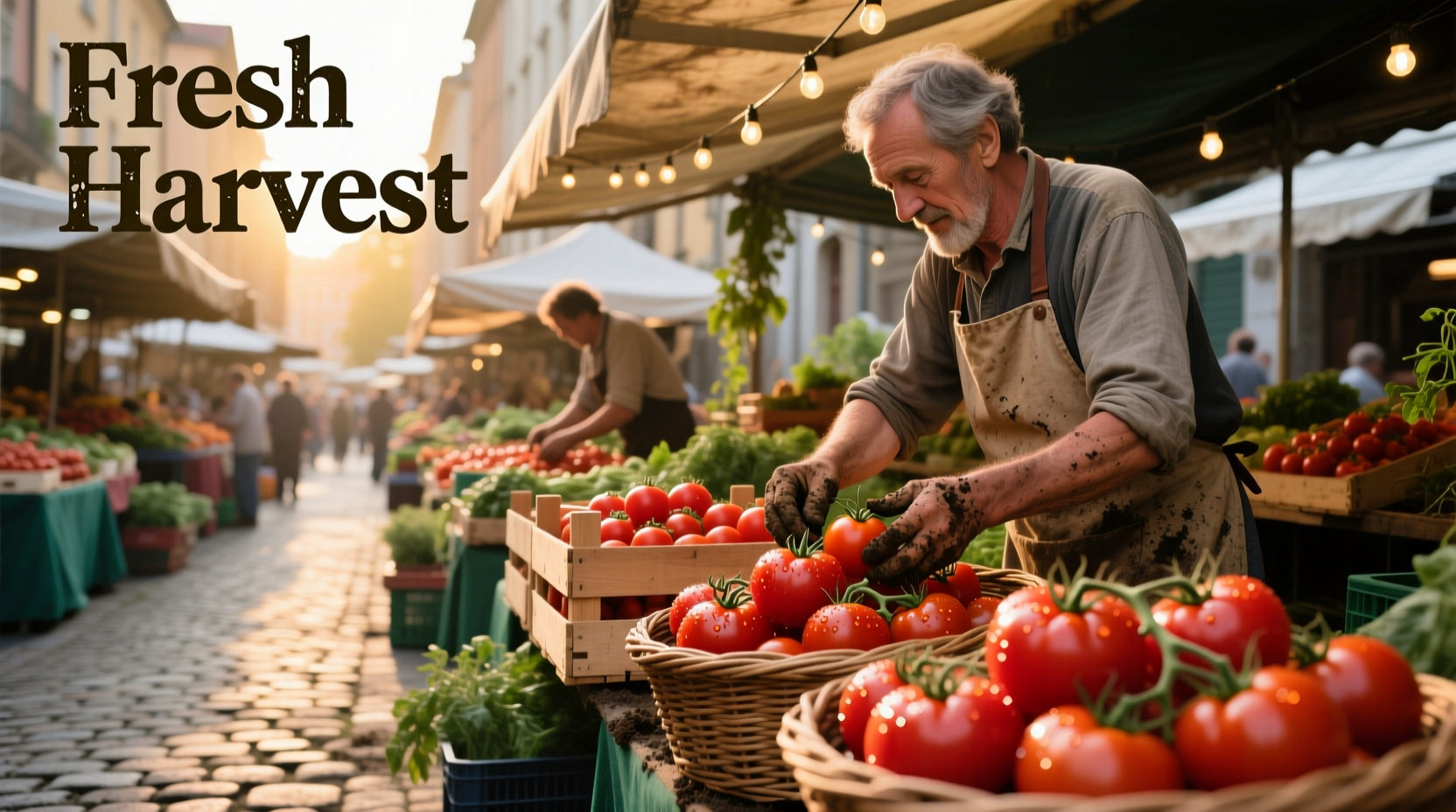
How Tomato Markets Function in Today's Food System
Tomato markets operate as dynamic economic ecosystems where supply, demand, and seasonal factors intersect. The global tomato industry has evolved significantly since the 1960s when commercial production began scaling globally. Today, these markets handle everything from heirloom varieties at farmers' markets to industrial-scale transactions supplying grocery chains.
| Tomato Variety | Best Season | Price Range (per lb) | Shelf Life |
|---|---|---|---|
| Vine-ripened | June-September | $2.50-$4.00 | 5-7 days |
| Cherry tomatoes | Year-round | $3.00-$5.50 | 7-10 days |
| Heirloom varieties | July-October | $4.00-$7.00 | 3-5 days |
| Canned tomatoes | Year-round | $0.80-$1.50 | 18-24 months |
Tomato Market Evolution Timeline
Understanding how tomato markets have transformed helps contextualize current practices. The journey from local exchanges to global commodity trading reveals important patterns for today's consumers:
- Pre-1950s: Localized production with minimal transportation infrastructure limited tomato availability to growing regions
- 1950-1980: Development of hybrid varieties and refrigerated transport enabled regional distribution networks
- 1980-2000: Globalization expanded tomato markets with imports from Mexico, Spain, and the Netherlands supplementing domestic production
- 2000-Present: Rise of specialty markets for heirloom varieties and organic tomatoes alongside conventional commodity trading
What Drives Tomato Pricing in Modern Markets
Several interconnected factors determine what you'll pay for tomatoes at different market types. Unlike many commodities, tomato prices fluctuate significantly based on seasonality and quality indicators that savvy shoppers can recognize.
According to USDA Agricultural Marketing Service reports, tomato prices typically peak during winter months when domestic field production is limited, with average price increases of 30-40% compared to summer harvest seasons. The USDA Fresh Fruit and Vegetable Market News provides weekly updates on tomato pricing across major distribution channels.
Identifying Quality Tomatoes Across Market Types
Whether you're shopping at a farmers' market, grocery store, or wholesale distributor, certain quality indicators remain consistent. The most reliable markers of tomato quality include:
- Color uniformity - Look for consistent coloring appropriate to the variety (avoid green shoulders on non-vine varieties)
- Firmness with slight give - Should yield slightly when gently squeezed but not feel mushy
- Aroma - Ripe tomatoes emit a distinctive earthy, slightly sweet fragrance
- Stem condition - A green, fresh-looking stem indicates recent harvesting
Seasonal Buying Strategies for Maximum Value
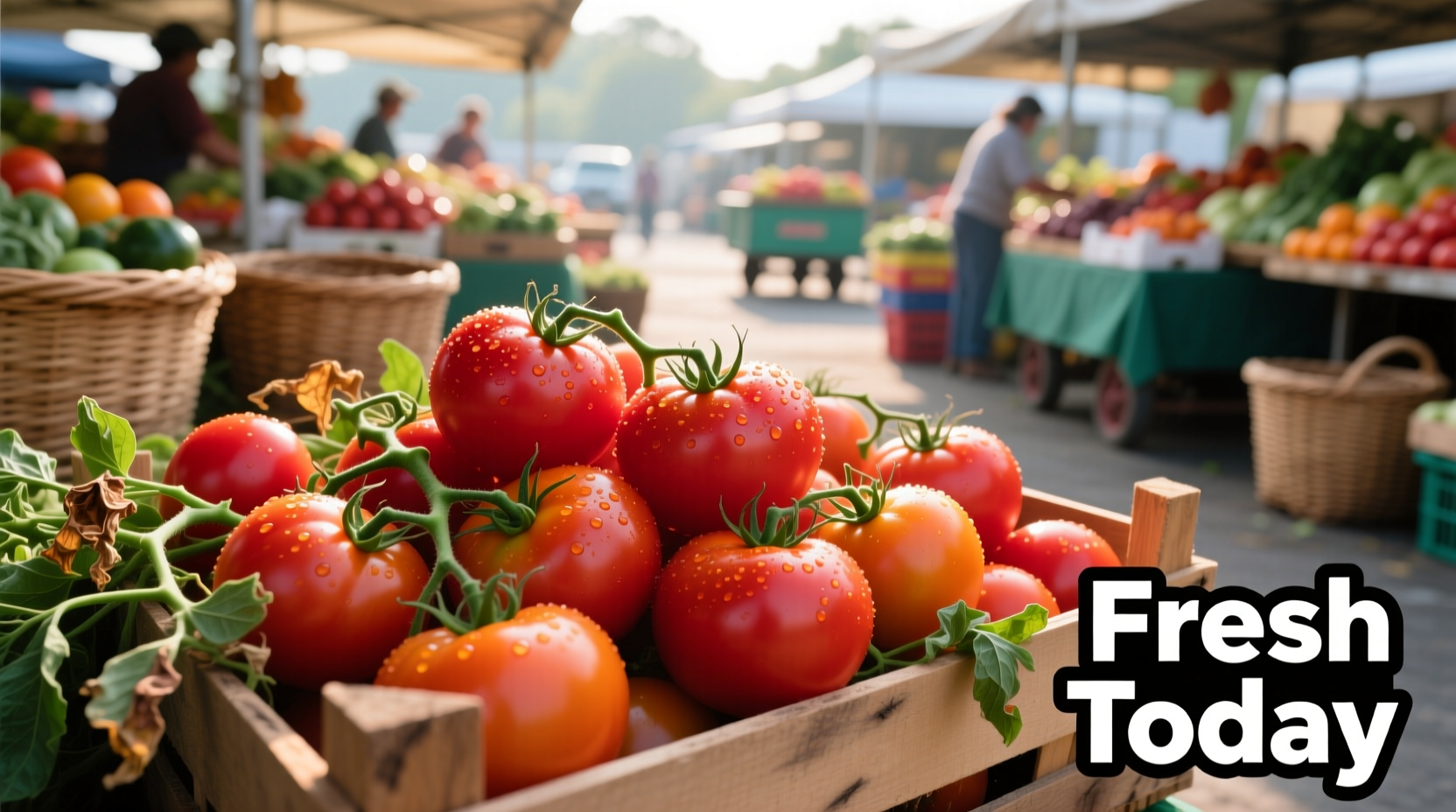
Timing your tomato purchases according to seasonal availability significantly impacts both quality and cost. During peak summer months (June through September in North America), field-grown tomatoes reach optimal flavor and become more affordable as supply increases.
Consider these practical strategies for navigating tomato markets effectively:
- Early season (May-June): Be prepared to pay premium prices for the first local tomatoes as supply is limited
- Peak season (July-August): Take advantage of lower prices and highest quality; consider preserving excess through canning
- Late season (September): Look for end-of-season sales as growers clear fields before frost
- Off-season (October-April): Focus on greenhouse-grown or imported varieties, understanding these typically have less flavor intensity
Emerging Trends Reshaping Tomato Markets
Several significant developments are transforming how tomatoes move from farm to consumer. The FAO's report on global horticulture markets highlights increasing consumer demand for traceability and sustainable production methods.
Direct-to-consumer sales channels have grown by 27% over the past five years according to Agricultural Resource Management Survey data, with many growers bypassing traditional wholesale markets through CSAs (Community Supported Agriculture) and farmers' markets. This shift provides consumers with fresher product while allowing growers to capture more value from their harvest.
Practical Storage Techniques to Extend Freshness
Proper storage significantly extends the usable life of market-bought tomatoes. Contrary to common practice, refrigeration actually damages flavor compounds in ripe tomatoes. Instead:
- Store at room temperature away from direct sunlight until fully ripe
- Once ripe, use within 2-3 days for best quality
- Never store tomatoes in plastic bags which trap moisture and accelerate spoilage
- For cut tomatoes, refrigerate in airtight containers and use within 24 hours




 浙公网安备
33010002000092号
浙公网安备
33010002000092号 浙B2-20120091-4