
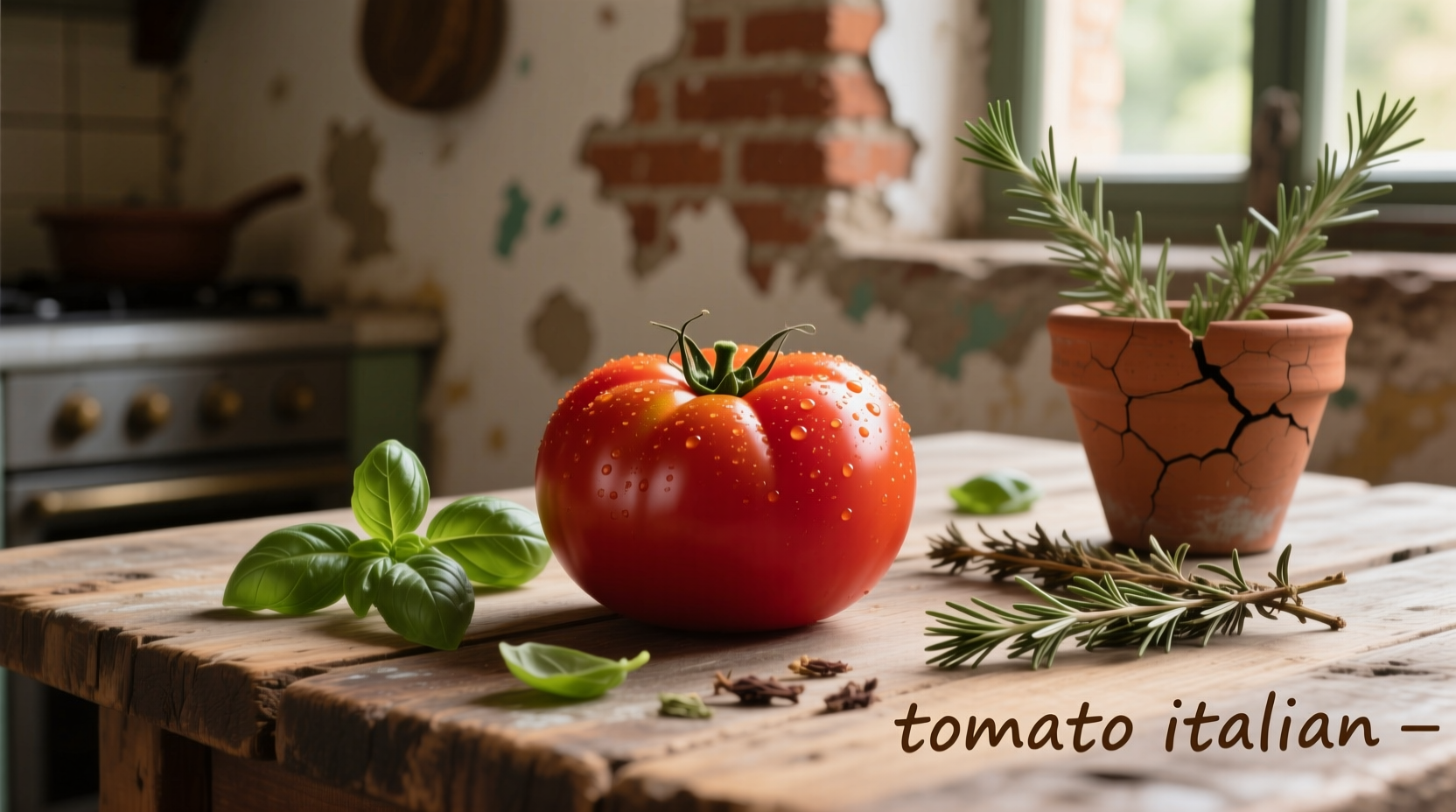
When Christopher Columbus returned from the Americas in 1493, he brought more than gold—he carried the first tomato seeds to European soil. Initially feared as poisonous 'love apples,' these vibrant fruits slowly conquered Italian kitchens over three centuries, evolving into the cornerstone of Mediterranean cuisine we know today. Understanding Italian tomatoes means recognizing how volcanic soil, Mediterranean sun, and centuries of selective breeding created varieties unmatched in flavor complexity.
The Evolution of Italy's Tomato Tradition
Tomatoes arrived in Italy around 1548 but weren't widely accepted until the late 17th century. The real transformation began in 1875 when Francesco Cirio established Italy's first tomato processing facility in Carmagnola. By 1900, Naples had become the epicenter of tomato cultivation, with farmers developing specialized varieties suited to local conditions. The 1950s brought industrial canning advancements that preserved summer harvests, while the 1993 DOP certification established legal protections for authentic regional varieties.
| Tomato Variety | Origin Region | Solids Content | Acidity Level | Best Culinary Use |
|---|---|---|---|---|
| San Marzano DOP | Campania | 6.5-8.5% | 0.35-0.45% | Slow-cooked sauces |
| Roma | Lazio | 5.0-6.0% | 0.45-0.55% | Pasta sauces |
| Cuore di Bue | Tuscany | 4.0-5.0% | 0.50-0.60% | Caprese salads |
| Datterino | Sicily | 7.0-9.0% | 0.30-0.40% | Roasting, pizza topping |
Identifying Authentic Italian Tomatoes
Not all 'Italian-style' tomatoes deliver authentic flavor. The European Union's Protected Designation of Origin (DOP) system certifies genuine San Marzano tomatoes grown in specific volcanic soil regions of Campania. Look for the red DOP seal and consorzio number on cans—these indicate tomatoes meeting strict criteria including:
- Harvested between July 15 and September 15
- Grown in designated volcanic soil areas
- Hand-sorted for imperfections
- Processed within 24 hours of harvest
Counterfeit products often use generic 'product of Italy' labeling without the DOP certification. The Consorzio del Pomodoro San Marzano Napoletano DOP maintains a verified producer list updated annually.
Regional Flavor Profiles Across Italy
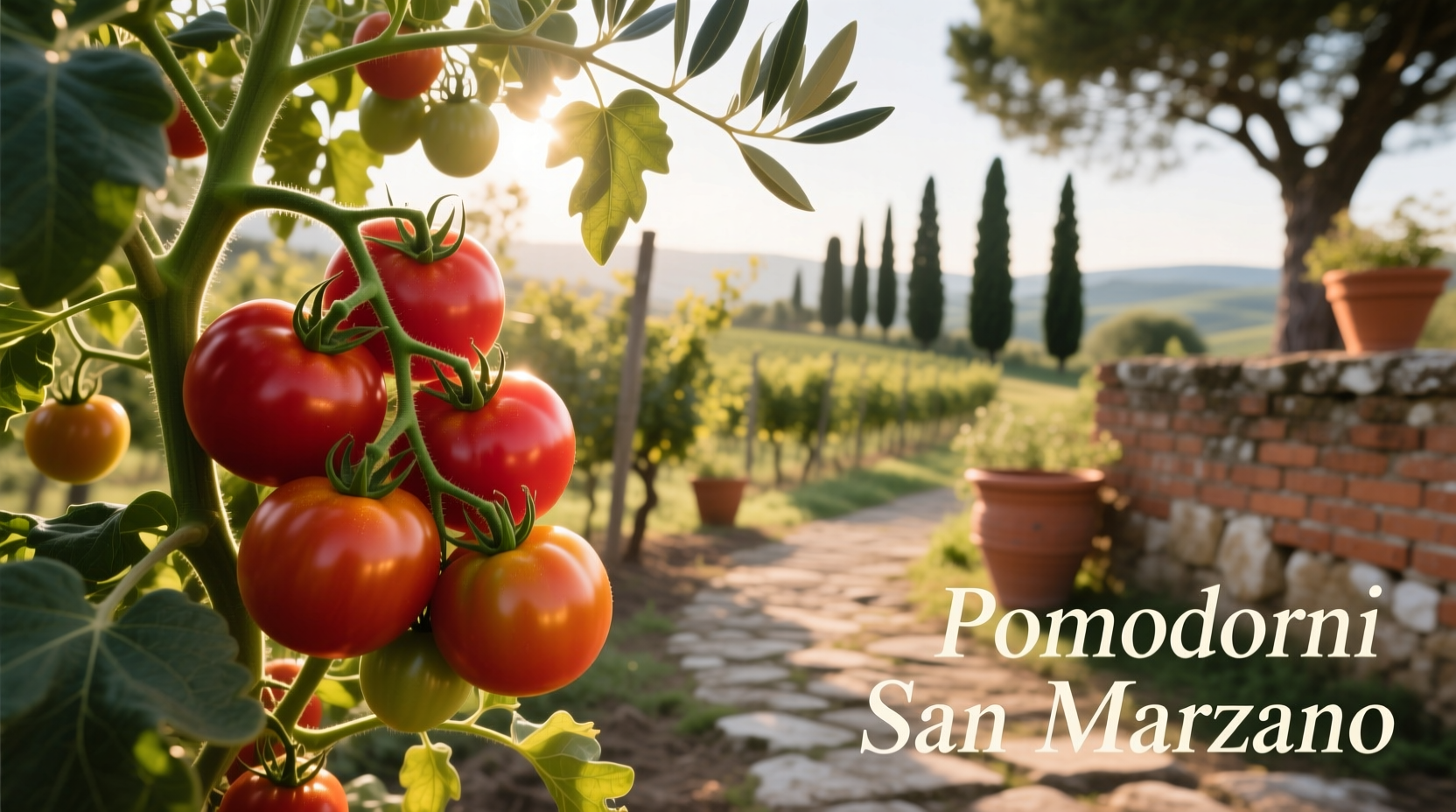
Italy's diverse microclimates create distinct tomato characteristics. Campania's volcanic soil produces San Marzanos with earthy sweetness, while Sicily's Datterino tomatoes develop intense sugar concentration from intense sun exposure. Tuscany's Cuore di Bue (Oxheart) varieties grow in limestone-rich soil, yielding complex acidity perfect for fresh applications. Northern regions like Emilia-Romagna cultivate Roma tomatoes with balanced acidity ideal for quick-cooking sauces.
According to agricultural studies from the Council for Agricultural Research and Economics (CREA), soil composition directly impacts lycopene and sugar development. Volcanic soils in Vesuvius regions contain higher potassium levels that reduce acidity by 15-20% compared to tomatoes grown in alluvial plains.
Practical Selection Guide for Home Cooks
When selecting canned Italian tomatoes, check the ingredient list—authentic products contain only tomatoes and possibly citric acid or basil. Avoid products with calcium chloride (a firming agent) or unnecessary additives. For fresh applications, choose tomatoes with:
- Deep, uniform color without green shoulders
- Firm but slightly yielding texture
- Strong earthy aroma at the stem
- Heavy weight for their size (indicates water content)
Seasonality matters—fresh Italian tomatoes peak from June through September. During off-season, properly canned DOP San Marzanos provide more consistent flavor than out-of-season fresh tomatoes. Store opened cans in glass containers in the refrigerator for up to 5 days, or freeze portions for longer storage.
Transformative Cooking Techniques
Professional Italian chefs maximize tomato flavor through specific techniques:
- Slow reduction: Simmer San Marzanos uncovered for 45+ minutes to concentrate flavors without scorching
- Cold extraction: Blend fresh tomatoes with basil and olive oil, then strain for vibrant raw sauces
- Dry roasting: Char Roma tomatoes in a cast-iron skillet before blending for smoky depth
University of Naples research shows that cooking San Marzano tomatoes for 30 minutes increases lycopene bioavailability by 250% while reducing acidity through natural caramelization. This scientific principle explains why slow-cooked tomato sauces develop richer flavor profiles than quick preparations.




 浙公网安备
33010002000092号
浙公网安备
33010002000092号 浙B2-20120091-4