
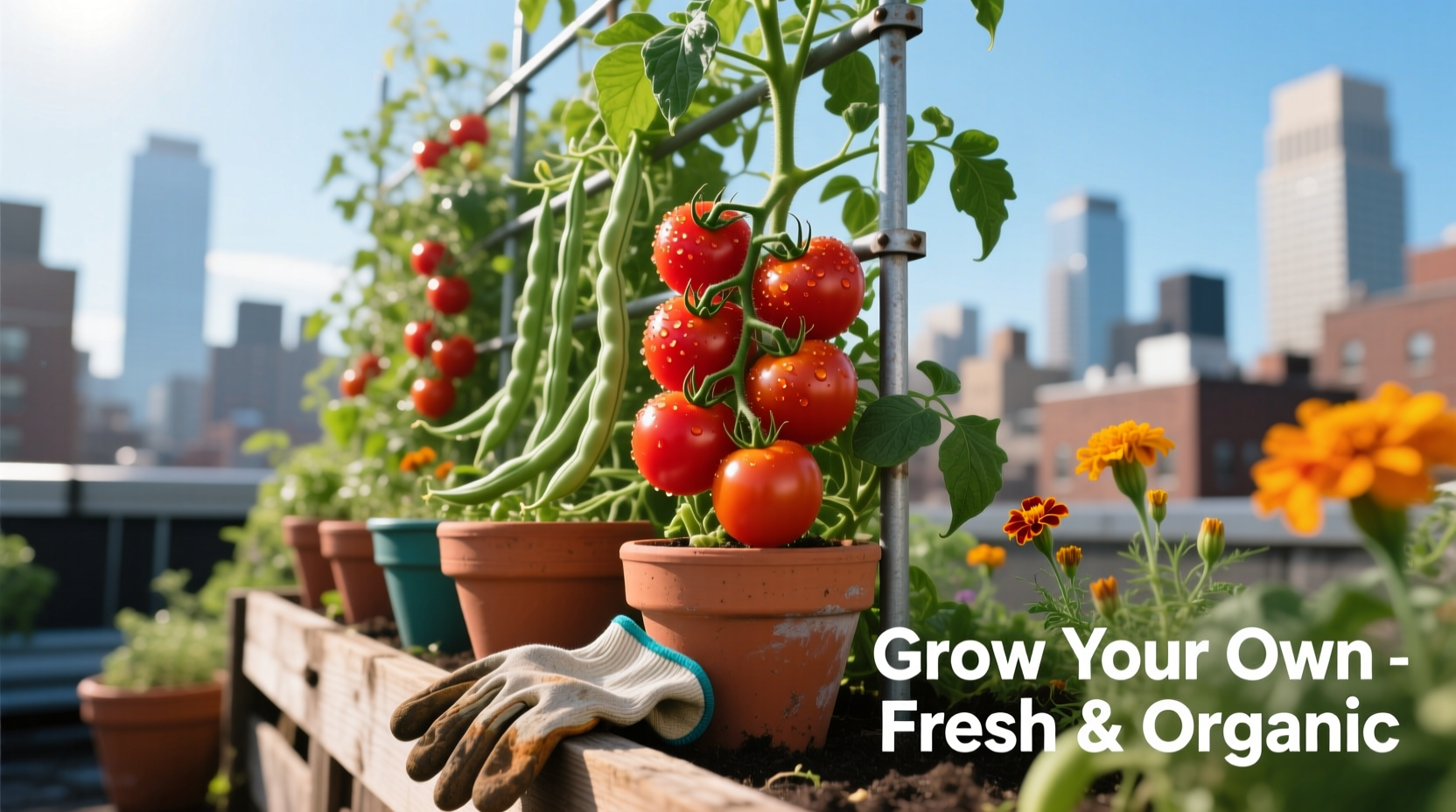
Tomato Gardening Fundamentals You Need to Know
Tomato gardening success starts with understanding the two main growth types. Determinate varieties grow to a fixed height (typically 3-4 feet), produce one large harvest, and then stop growing—ideal for container gardening or canning. Indeterminate tomatoes continue growing and producing fruit throughout the season until frost, requiring staking but delivering continuous harvests. According to the Cornell University Cooperative Extension, selecting the right type for your space and goals increases yield by up to 40% compared to mismatched varieties.
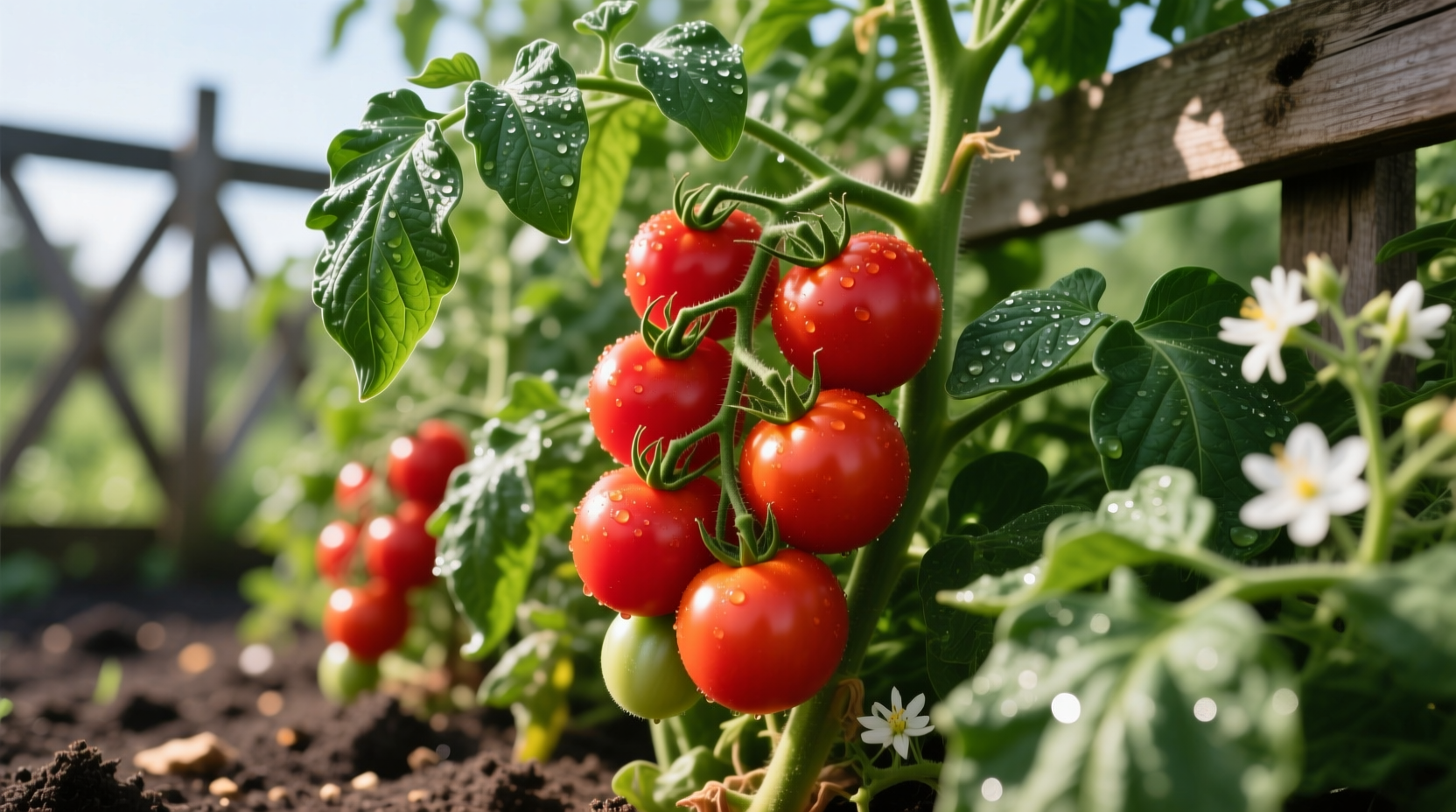
Your Step-by-Step Tomato Planting Timeline
Timing your tomato planting correctly prevents frost damage and maximizes growing season. Start seeds indoors 6-8 weeks before your last expected frost date. The USDA Plant Hardiness Zone Map provides critical guidance—gardeners in Zone 5 should start seeds around March 15th, while Zone 8 gardeners can begin in late January. Transplant seedlings outdoors when soil temperatures consistently reach 60°F (15.5°C) at 4-inch depth and nighttime temperatures stay above 50°F (10°C).
| Gardening Zone | Last Frost Date | Seed Starting Date | Transplant Date |
|---|---|---|---|
| 3-4 | May 15-30 | March 15-30 | June 1-15 |
| 5-6 | May 1-15 | March 1-15 | May 15-30 |
| 7-8 | April 1-15 | February 1-15 | April 15-30 |
| 9-10 | March 1-15 | January 1-15 | March 15-30 |
Soil Preparation: The Foundation of Healthy Tomatoes
Tomatoes demand well-draining soil rich in organic matter. Before planting, amend your garden bed with 3-4 inches of compost mixed to 12-inch depth. The ideal pH range is 6.2-6.8—test your soil using kits available at garden centers. Research from the University of Minnesota Extension shows tomatoes grown in properly amended soil produce 25% more fruit and show significantly fewer nutrient deficiencies. Avoid planting tomatoes where potatoes, peppers, or eggplants grew in the past three years to prevent soil-borne diseases.
Watering and Feeding for Maximum Production
Consistent moisture prevents blossom end rot and fruit cracking. Water deeply 1-1.5 inches twice weekly rather than daily light sprinkling. Always water at soil level to keep foliage dry and prevent disease. Begin fertilizing two weeks after transplanting with balanced organic fertilizer (5-5-5), then switch to low-nitrogen, high-phosphorus formula (3-4-6) when flowering begins. Container tomatoes need more frequent feeding—apply liquid fertilizer every 7-10 days during peak production.
Essential Pruning and Support Techniques
Proper support improves air circulation and reduces disease. Indeterminate varieties require tall stakes (6-8 feet) or Florida weave systems, while determinate types work well with standard tomato cages. Remove suckers (side shoots) on indeterminate plants to direct energy toward fruit production. The Oregon State University Extension recommends pruning to 2-3 main stems for optimal yield and disease prevention. Always use clean, sharp pruners and prune when plants are dry to minimize disease transmission.
Troubleshooting Common Tomato Problems
Identify issues early with these proven solutions:
- Blossom end rot (dark, sunken spots on fruit bottoms): Caused by calcium deficiency often due to inconsistent watering. Maintain even soil moisture and apply calcium spray during fruit set.
- Early blight (concentric spots on lower leaves): Remove affected leaves immediately and apply copper fungicide. Rotate crops annually.
- Hornworms (large green caterpillars): Hand-pick or use BT (Bacillus thuringiensis) spray. Plant basil nearby as natural repellent.
- Cracking fruit: Results from sudden heavy watering after dry periods. Maintain consistent moisture levels.
Harvesting and Storing Your Tomatoes
Pick tomatoes when they've developed full color but are still slightly firm. Never refrigerate ripe tomatoes—cold temperatures destroy flavor compounds. Store at room temperature stem-side down to prevent bruising. For end-of-season green tomatoes, harvest before first frost and ripen indoors in single layers on newspaper. According to agricultural studies, tomatoes allowed to vine-ripen contain up to 30% more lycopene than those picked green and ripened off-vine.




 浙公网安备
33010002000092号
浙公网安备
33010002000092号 浙B2-20120091-4