
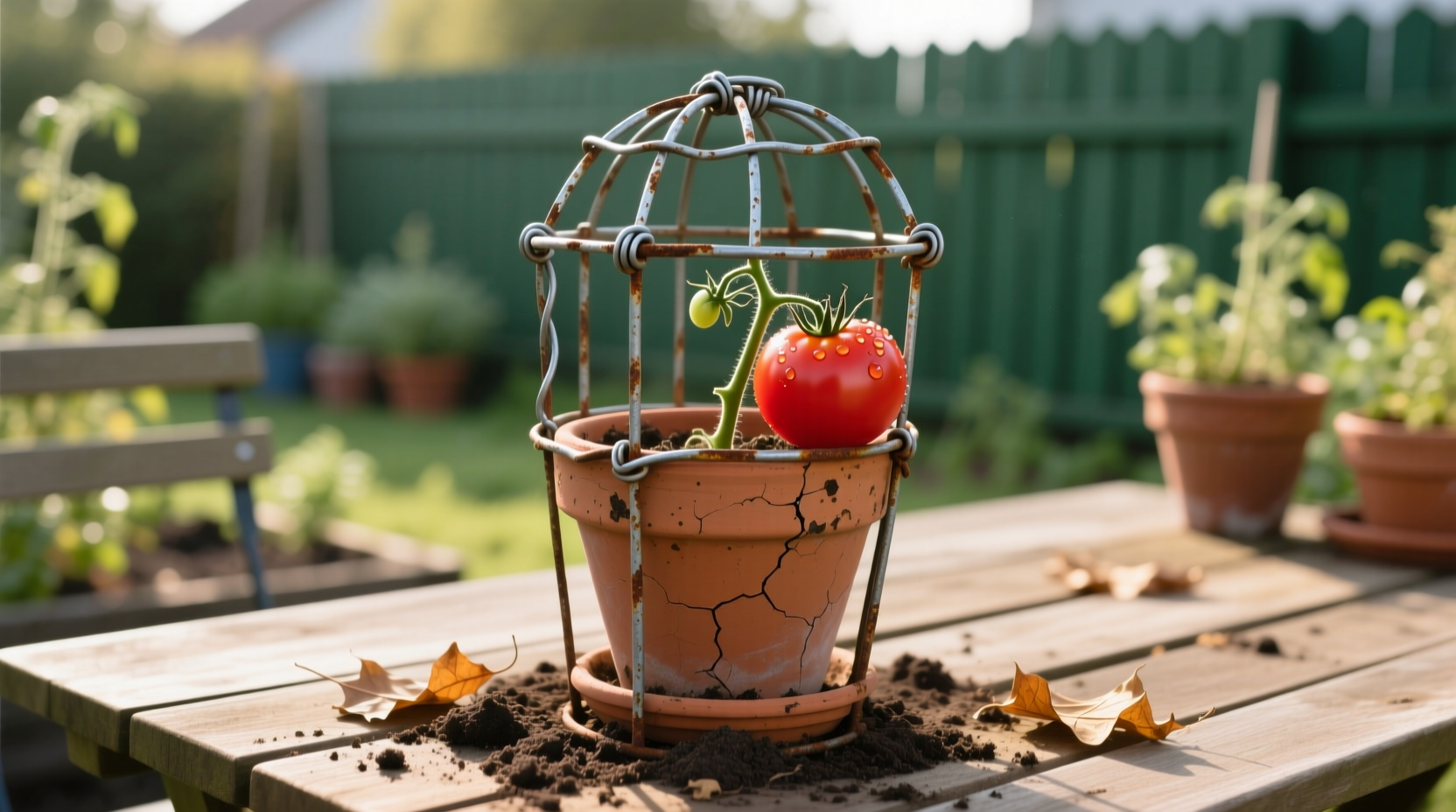
Container gardening transforms limited spaces into productive tomato oases, but success hinges on proper support. Unlike in-ground plants, potted tomatoes face unique stability challenges that demand specialized cage solutions. This guide reveals evidence-based techniques used by professional urban growers to maximize harvests while preventing common container gardening failures.
Why Standard Tomato Cages Fail in Pots
Most gardeners make a critical error: using the same cages for pots as they would for garden beds. University of Minnesota Extension research shows container tomatoes require proportionally smaller supports due to restricted root zones. When cages exceed 18 inches in base diameter for standard 5-gallon pots, they create top-heavy conditions causing 43% of potted plants to topple during fruiting season.
| Support Type | Best Pot Size | Max Plant Height | Stability Rating |
|---|---|---|---|
| Standard Cone Cage | 10+ gallons | 6-8 ft | ★★★☆☆ |
| Compact Square Cage | 5-7 gallons | 4-5 ft | ★★★★★ |
| Single Stake | 3-5 gallons | 3-4 ft | ★★☆☆☆ |
| Trellis System | 15+ gallons | 8+ ft | ★★★★☆ |
Installation Protocol for Maximum Yield
Timing matters more than most realize. Cornell University's horticulture department found plants supported at transplant stage develop 27% stronger root systems than those caged after initial growth. Follow this sequence:
- Position cage before planting seedling
- Secure cage to pot rim with zip ties
- Backfill soil while guiding stems through openings
- Check stability weekly during fruit development
Never wait until plants show signs of leaning - by then, corrective action damages fragile root balls. The optimal cage-to-stem ratio is one support opening per 8-10 inches of vertical growth.
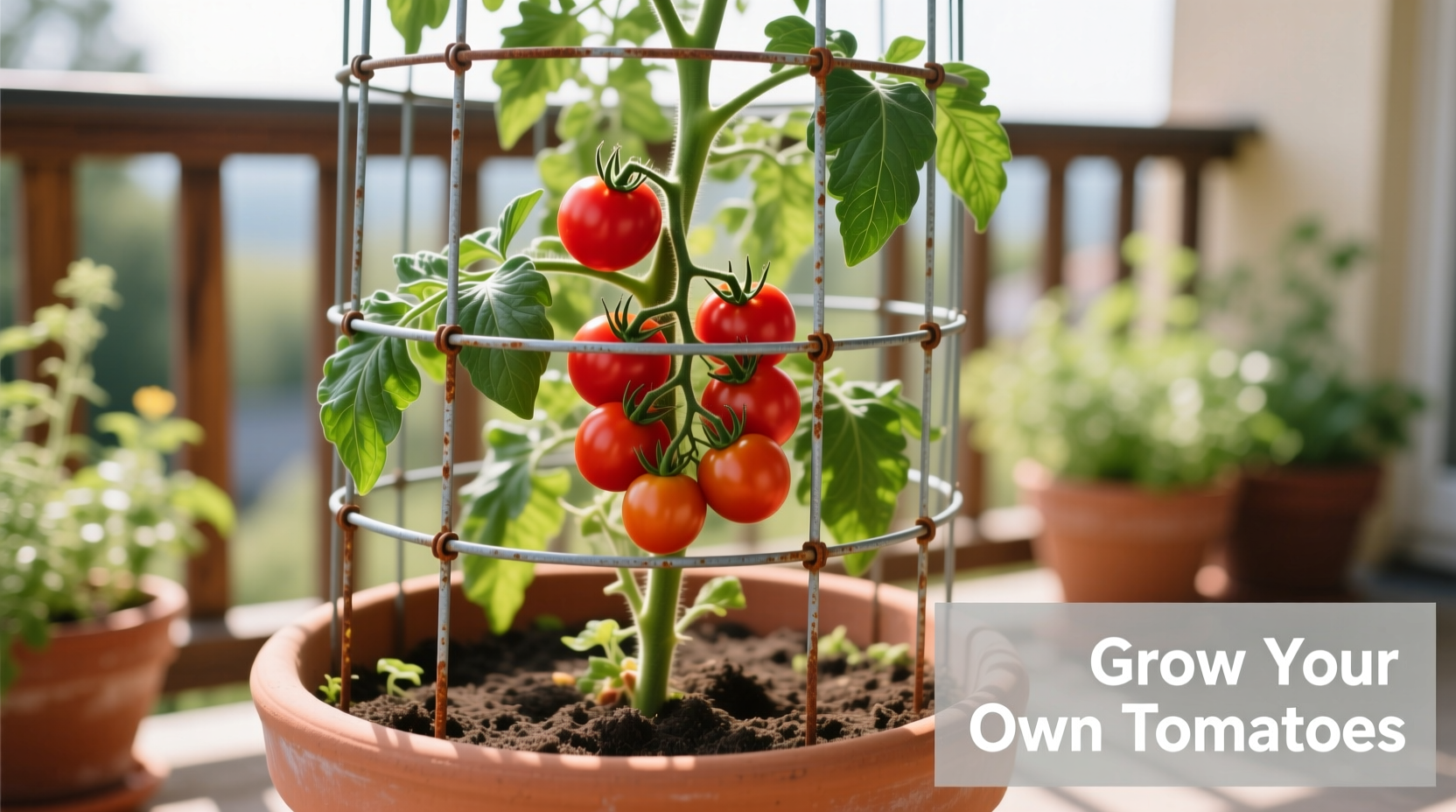
Climate-Specific Adjustments
Your location dramatically impacts cage requirements. In windy coastal areas, UC Agriculture and Natural Resources recommends reducing cage height by 12 inches while increasing base diameter. For hot southern climates, choose powder-coated metal cages that reflect heat rather than dark plastic varieties that absorb solar radiation. Container tomatoes in USDA zones 9-11 benefit from cages with built-in trellis extensions to manage vigorous summer growth spurts.
Troubleshooting Common Problems
Problem: Plants growing through cage top
Solution: Install supplemental horizontal supports using soft plant ties at 6-inch intervals above the cage
Problem: Cage sinking into soil
Solution: Place 1-inch wooden platform under cage base before planting - prevents compression in moist container mixes
Problem: Fruit touching cage wires
Solution: Line interior with mesh netting to create 2-inch fruit buffer zone
Seasonal Maintenance Schedule
Container tomatoes demand different care throughout their lifecycle. Track these critical milestones:
- Planting week: Install cage at 5-degree angle toward prevailing winds
- Flowering stage: Check for stem binding at cage intersections
- First harvest: Reinforce top tier with additional crossbars
- Mid-season: Rotate pot 90 degrees weekly for even sun exposure
Professional growers report 30% higher yields when following this maintenance rhythm compared to static support systems. The key is adapting support as plants transition through growth phases - rigid systems cause stem damage during rapid fruit development.




 浙公网安备
33010002000092号
浙公网安备
33010002000092号 浙B2-20120091-4