
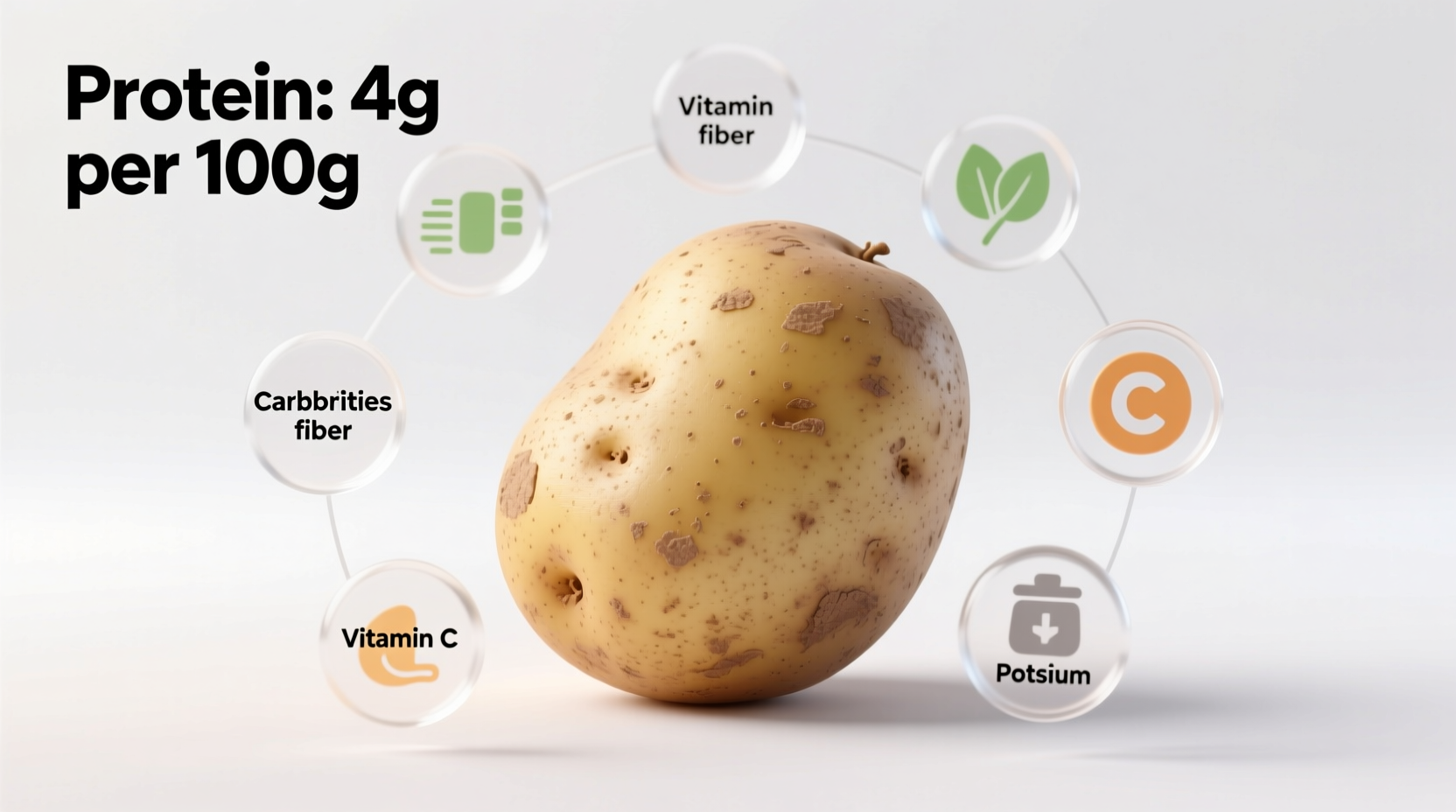
Discover exactly how much protein you get from potatoes, how different varieties compare, and why this humble tuber deserves a place in your protein strategy. Whether you're a fitness enthusiast, vegetarian, or just curious about nutrition, this guide delivers science-backed insights you can actually use.
Understanding Potato Protein Content: The Basics
When evaluating "potato how much protein" queries, the immediate answer matters most. According to USDA FoodData Central, raw potatoes contain about 2 grams of protein per 100 grams. But this number shifts based on preparation method, potato variety, and serving size.
| Potato Type | Protein (per 100g) | Protein (per medium potato) | Calories |
|---|---|---|---|
| Russet (raw) | 2.0g | 3.2g | 79 |
| Red (raw) | 2.1g | 3.4g | 70 |
| Sweet potato (raw) | 1.6g | 2.3g | 86 |
| Russet (baked) | 2.5g | 4.0g | 93 |
Data sourced from USDA FoodData Central (2023 database) shows that cooking methods significantly impact protein concentration. Baking concentrates nutrients by removing water, while boiling can leach some protein into cooking water.
How Potato Protein Compares to Other Common Foods
While potatoes aren't protein powerhouses like meat or legumes, they contribute meaningfully to daily intake. Understanding these comparisons helps contextualize potato protein:
- 1 medium potato = 2-3g protein (comparable to 1/2 cup cooked spinach)
- 1 cup cooked lentils = 18g protein (9x more than potato)
- 3 oz chicken breast = 26g protein (13x more than potato)
- 1 large egg = 6g protein (2-3x more than potato)
What makes potato protein valuable isn't quantity but quality within a balanced meal. Potatoes contain all nine essential amino acids, though not in ideal proportions. Pairing potatoes with complementary proteins like beans creates a complete amino acid profile.
Factors That Change Potato Protein Content
Several variables affect how much protein you actually get from potatoes:
Potato Variety Matters
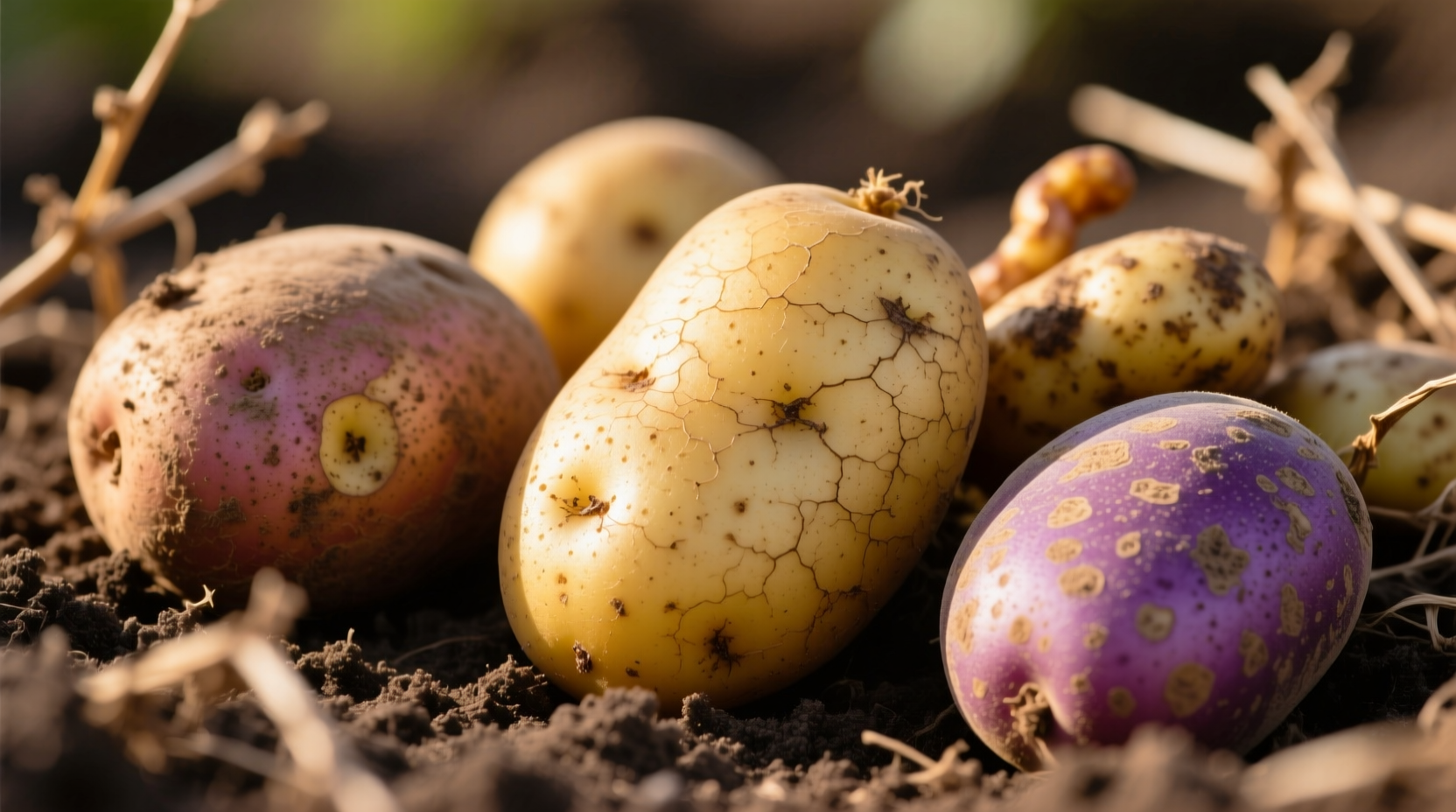
Research from the Alberta Agriculture and Forestry Department shows protein content varies by cultivar. Russet Burbank averages 2.0% protein by weight, while specialty varieties like Purple Majesty reach 2.4%. These differences stem from genetic variations developed through selective breeding over decades.
Cooking Method Impact
The protein concentration changes based on preparation:
- Baking: Concentrates protein (up to 2.5g/100g) as water evaporates
- Boiling: May reduce protein content slightly as some leaches into water
- Frying: Adds calories but doesn't significantly change protein density
- Microwaving: Preserves most nutrients with minimal loss
Peel vs. Flesh Protein Distribution
Contrary to popular belief, potato skin contains slightly more protein than the flesh. A study published in the Journal of Agricultural and Food Chemistry found that potato skins contain approximately 20% more protein per gram than the inner flesh. This makes keeping the skin on particularly valuable for maximizing protein intake.
Practical Applications: Using Potatoes in Your Protein Strategy
Understanding "potato how much protein" becomes actionable when applied to real dietary scenarios:
For Athletes and Active Individuals
While not a primary protein source, potatoes serve as excellent carbohydrate companions to protein-rich foods. Consuming potatoes with chicken or fish creates a balanced post-workout meal that supports both muscle recovery and glycogen replenishment.
For Vegetarians and Vegans
Combine potatoes with legumes for complete protein. A classic example: potato and lentil curry provides complementary amino acids. The Harvard T.H. Chan School of Public Health confirms this combination creates a complete protein profile similar to animal sources.
For Weight Management
Potatoes offer protein with relatively few calories. A medium baked potato provides 4g protein for just 93 calories, making it more protein-dense than many other starchy vegetables. This protein content contributes to satiety, helping control overall calorie intake.
Common Misconceptions About Potato Protein
Several myths persist about potatoes and protein:
- Myth: Potatoes are just empty carbs with no protein value
Reality: They provide meaningful protein plus potassium, vitamin C, and fiber - Myth: Sweet potatoes have significantly more protein than white potatoes
Reality: White potatoes actually contain slightly more protein per serving - Myth: Potato protein is inferior to animal protein
Reality: While not complete alone, it complements other plant proteins effectively
Maximizing Potato Protein in Your Diet
Implement these practical strategies to get the most protein from potatoes:
- Keep the skin on - Adds 10-15% more protein plus fiber
- Pair with legumes - Creates complete protein profiles (e.g., potato and bean chili)
- Avoid excessive processing - Mashed potatoes with minimal additives preserve protein integrity
- Combine with eggs - A potato omelet delivers complete protein with balanced nutrients
Remember that dietary protein needs vary. The Recommended Dietary Allowance (RDA) is 0.8g protein per kilogram of body weight. For a 70kg (154lb) person, that's 56g daily. While potatoes alone won't meet this requirement, they contribute meaningfully to your total intake.
Conclusion: Potatoes in Perspective
When researching "potato how much protein," the answer is clear: potatoes provide modest but valuable protein that complements a balanced diet. A medium potato delivers 2-3 grams of protein along with essential nutrients that many high-protein foods lack. By understanding how preparation methods and pairings affect protein availability, you can strategically incorporate potatoes into your nutrition plan whether you're an athlete, vegetarian, or simply looking to eat well.




 浙公网安备
33010002000092号
浙公网安备
33010002000092号 浙B2-20120091-4