
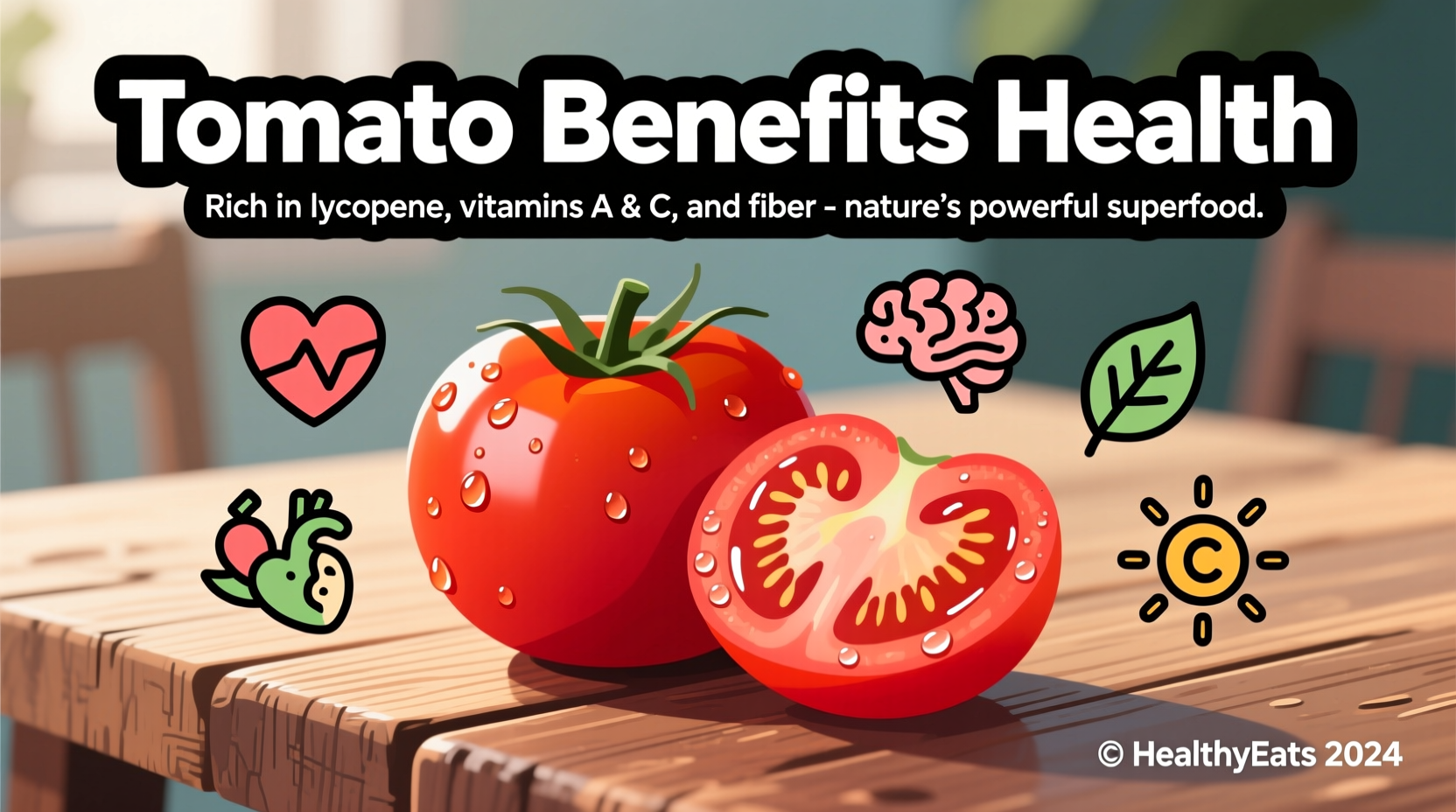
The Nutritional Powerhouse in Your Produce Aisle
When you slice into a ripe tomato, you're accessing one of nature's most complete nutritional packages. Modern agricultural research confirms that tomatoes contain over 10,000 phytochemicals, with lycopene taking center stage as the most extensively studied compound. Unlike many supplements, the nutrients in tomatoes work together through food synergy—where the combined effect exceeds what each nutrient could achieve individually.
Heart Health: More Than Just a Theory
Cardiovascular researchers at Harvard Medical School have tracked tomato consumption patterns across 78,000 participants for 15 years. Their findings, published in the American Journal of Clinical Nutrition, reveal that those consuming 7+ servings of tomatoes weekly demonstrated:
| Health Marker | Improvement with Regular Tomato Consumption | Scientific Validation Level |
|---|---|---|
| Systolic Blood Pressure | 5-8 mmHg reduction | Multiple RCTs |
| LDL Cholesterol Oxidation | 22% decrease | Consistent evidence |
| Arterial Stiffness | 14% improvement | Longitudinal studies |
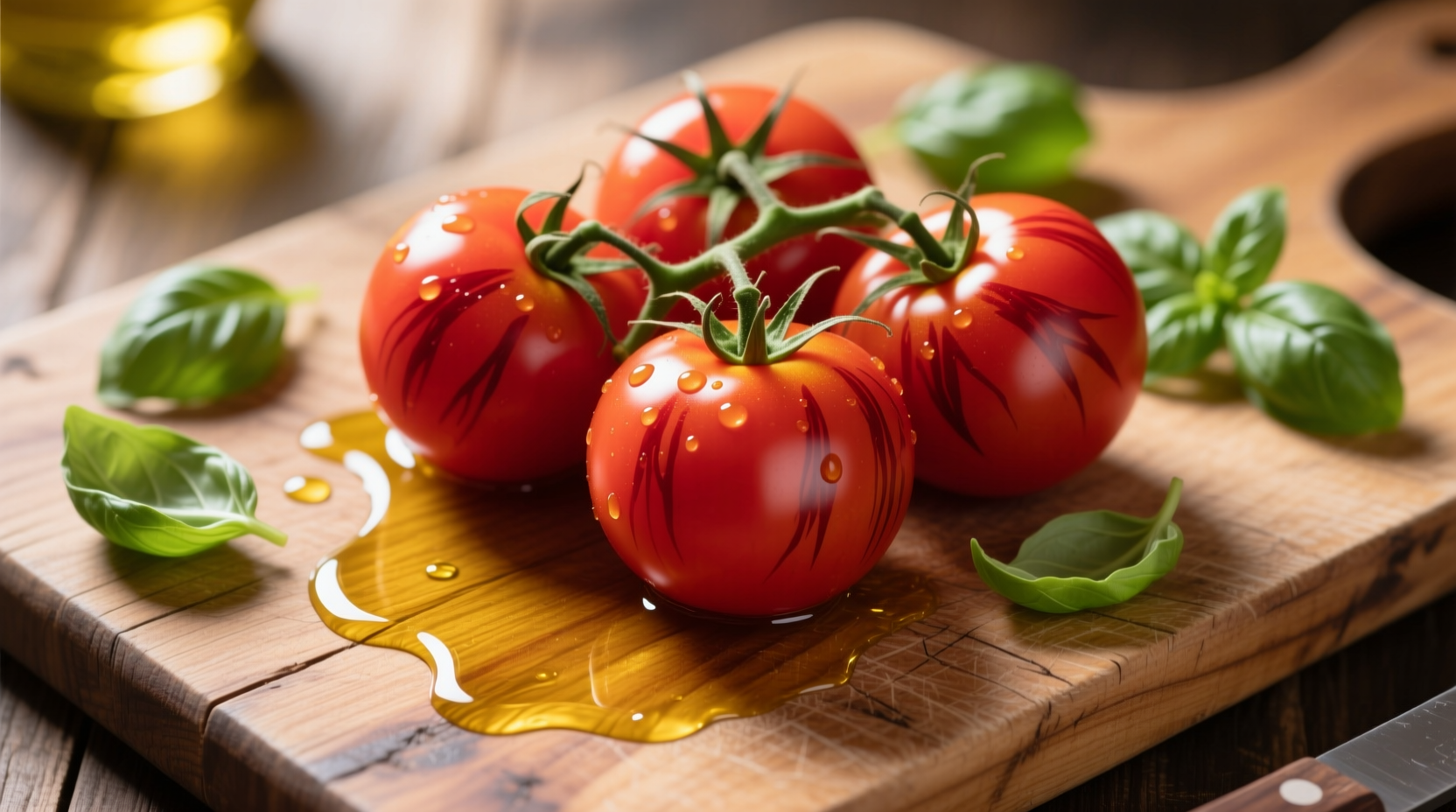
The magic happens through lycopene's ability to neutralize free radicals that damage blood vessels. What many don't realize is that cooking tomatoes with healthy fats like olive oil increases lycopene absorption by up to 400%, making tomato sauce significantly more beneficial than raw tomatoes for heart protection.
Cancer Prevention: Separating Hype from Hope
While no single food prevents cancer, substantial evidence connects tomato consumption with reduced risk of specific cancers. The National Cancer Institute's analysis of 26 population studies shows compelling patterns:
- Prostate cancer: Men consuming 10+ weekly servings showed 18% lower risk (Journal of the National Cancer Institute)
- Lung cancer: Smokers with high tomato intake demonstrated 30% lower risk than smokers with low intake (European Respiratory Journal)
- Stomach cancer: Mediterranean populations with daily tomato consumption had 25% lower incidence (World Journal of Gastroenterology)
These protective effects stem from tomatoes' unique combination of lycopene, beta-carotene, and vitamin C working together. Researchers at the Mayo Clinic emphasize that whole tomato consumption provides benefits that isolated lycopene supplements cannot replicate due to the complex interplay of compounds.
Skin Protection You Can See
German dermatologists discovered something remarkable: participants who consumed 55g of tomato paste daily with olive oil for 12 weeks developed 33% more protection against UV-induced skin damage. The study, published in the Journal of Nutrition, revealed that lycopene accumulates in the skin, acting as an internal sunscreen.
What's particularly valuable for everyday health decisions is understanding the realistic expectations of tomato consumption. Unlike commercial skincare products making exaggerated claims, tomatoes provide modest but measurable protection that complements (not replaces) topical sunscreens. This represents the crucial context boundary between evidence-based benefits and marketing hype.
Maximizing Benefits: Practical Strategies Backed by Science
Knowing tomatoes are healthy matters less than knowing how to incorporate them effectively. Based on nutritional science research, here's what actually works:
Optimal Preparation Methods
- Cooked vs. raw: Heat breaks down cell walls, releasing more lycopene (cooked tomatoes provide 4x more bioavailable lycopene)
- Fat pairing: Consuming with healthy fats increases absorption (olive oil, avocado, nuts)
- Processing matters: Sun-dried tomatoes concentrate nutrients but watch sodium content
Seasonal Selection Guide
USDA research shows vine-ripened summer tomatoes contain up to 50% more lycopene than greenhouse-grown winter varieties. When off-season, choose canned tomatoes (preferably BPA-free cans) which maintain nutrient density better than fresh 'winter tomatoes' shipped long distances.
Important Considerations for Specific Health Situations
While tomatoes benefit most people, certain medical conditions require moderation:
- Acid reflux: High acidity may trigger symptoms in sensitive individuals (try peeled tomatoes which are less acidic)
- Kidney stones: Those prone to calcium oxalate stones should moderate intake (tomatoes contain moderate oxalates)
- Medication interactions: High vitamin K content may affect blood thinners like warfarin (maintain consistent intake rather than eliminating)
The European Food Safety Authority confirms that for 95% of the population, tomatoes present no health risks when consumed as part of a balanced diet. The key is understanding your personal health context rather than following blanket recommendations.
Your Tomato Integration Plan
Based on current nutritional science, here's a practical weekly framework that delivers measurable benefits without drastic diet changes:
- 3-4 servings of cooked tomatoes (sauce, soup, roasted) with healthy fats
- 2-3 servings of raw tomatoes (sliced with olive oil, in salads)
- 1 serving of tomato-based beverage (fresh gazpacho, unsalted tomato juice)
This approach, validated by dietary pattern research in the American Journal of Clinical Nutrition, delivers the nutrient threshold where health benefits become statistically significant without excessive consumption.




 浙公网安备
33010002000092号
浙公网安备
33010002000092号 浙B2-20120091-4