
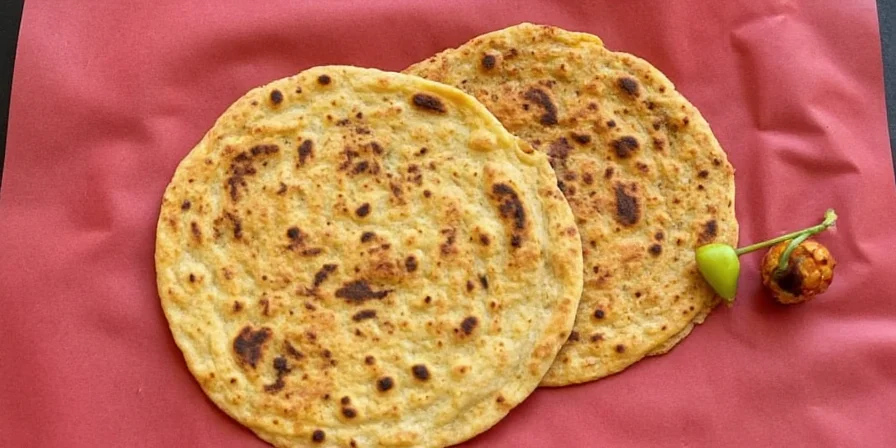
Tlayudas Oaxaca: The Spicy Secret Behind Mexico’s Largest Tortilla
Table of Contents
- Introduction to Tlayudas Oaxaca
- Spice It Up: What Makes Tlayudas Oaxaca Special?
- Top 5 Tips for Perfecting Your Tlayuda Experience
- Tlayuda vs. Pizza – A Humorous Showdown
- How to Make a Tlayuda at Home (Without Setting Fire to Your Kitchen)
- Myth Busting: Is Tlayuda Just a Giant Toasty?
- Conclusion: Tlayudas Oaxaca – Worth the Hype and the Napkins
Introduction to Tlayudas Oaxaca
If you’re into food that packs a punch, smells like a street market in paradise, and tastes like your taste buds are getting VIP treatment—tlayudas oaxaca might just be your new favorite thing.
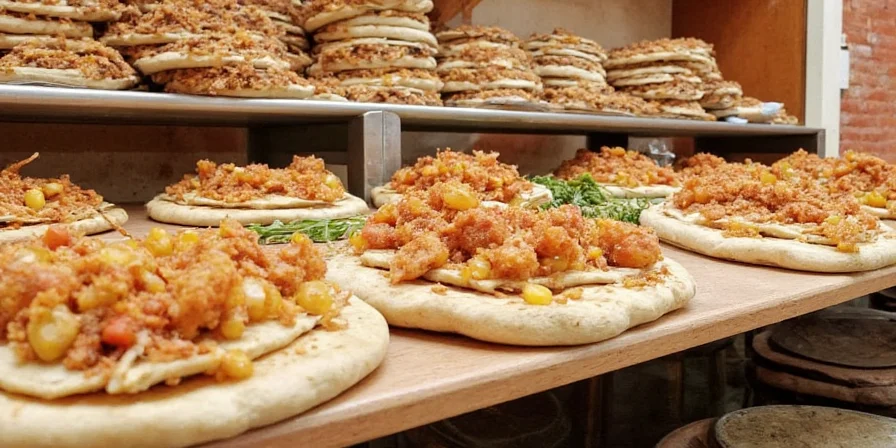
The tlayuda is more than just a dish; it's an experience. Hailing from the state of Oaxaca in southern Mexico, this oversized tortilla is often referred to as the “Mexican pizza,” though we’ll get to why that comparison doesn’t quite do it justice.
Made from masa (corn dough), baked or toasted until crisp on the outside and slightly soft inside, then layered with beans, cheese, meat, salsa, and other toppings, the tlayuda is basically the superhero of snacks—big, bold, and always ready to save your hunger.
Spice It Up: What Makes Tlayudas Oaxaca Special?
Oaxaca isn’t just known for its vibrant markets and stunning landscapes—it’s also a spice lover’s dream. When it comes to tlayudas oaxaca, the magic is in the details, especially when it comes to flavor profiles.
Traditional fillings include:
- Mole negro – a rich, smoky sauce made with dried chilies, chocolate, and spices.
- Chapulines – toasted grasshoppers seasoned with chili and lime (yes, really).
- Salsa verde – tangy green salsa that can range from mild to “I need water and a fan.”
- Cheese from Oaxaca – soft, stringy, and melty, adding that creamy balance to the heat.
If you're not sweating by the third bite, are you even doing it right?
Top 5 Tips for Perfecting Your Tlayuda Experience
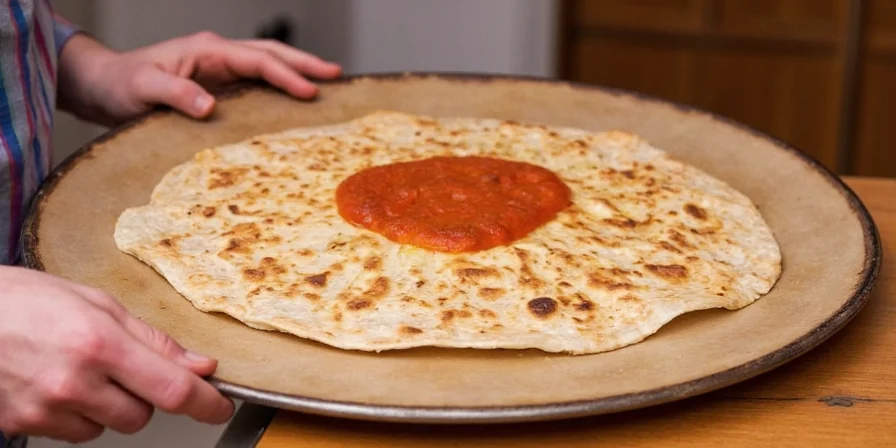
- Don’t skip the beans. Refried black beans act as the base layer that prevents your tlayuda from becoming a soggy mess.
- Balance the heat. If your mole or salsa is extra fiery, add avocado or crema to cool things down.
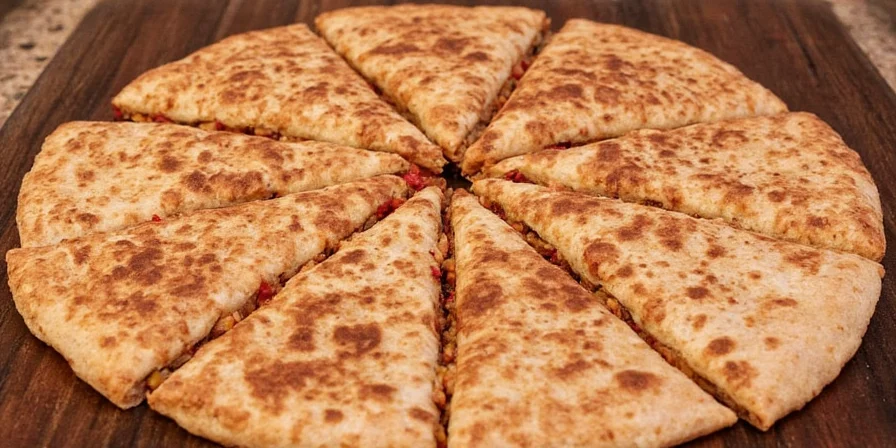
- Fold it? Or roll it? Some people prefer their tlayuda folded like a quesadilla, others eat it open-faced like pizza. There’s no wrong way—unless you drop it, obviously.
- Eat it fast! The beauty of a tlayuda lies in its crispy texture. Let it sit too long and it turns into a sad, chewy shadow of itself.
- Pair it with agua de jamaica. The tart hibiscus drink balances out the richness and spice perfectly.
Tlayuda vs. Pizza – A Humorous Showdown
| Feature | Tlayuda | Pizza |
|---|---|---|
| Origin | Oaxaca, Mexico | Naples, Italy |
| Main Ingredient | Masa corn tortilla | Wheat dough |
| Base Layer | Refried beans | Tomato sauce |
| Optional Toppings | Grasshoppers, cactus, mole | Pineapple, anchovies, ranch dressing |
| Level of Coolness | Unmatched | Overrated |
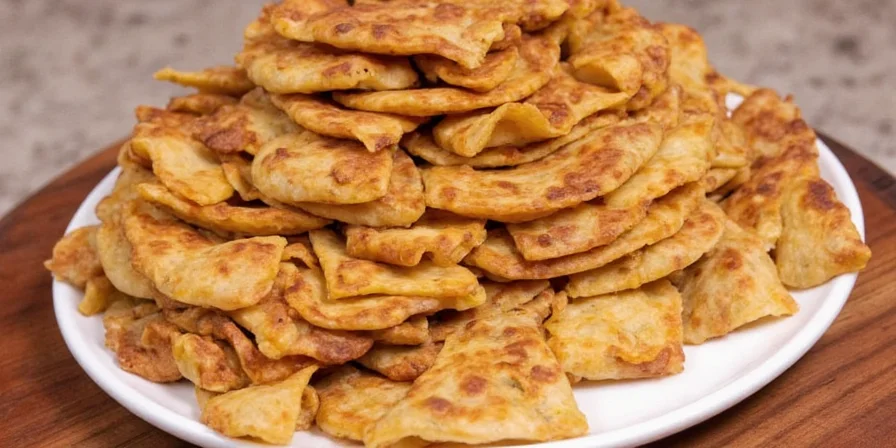
How to Make a Tlayuda at Home (Without Setting Fire to Your Kitchen)
Ready to channel your inner Oaxacan chef? Here’s how to make your own tlayudas oaxaca at home without burning down your kitchen:
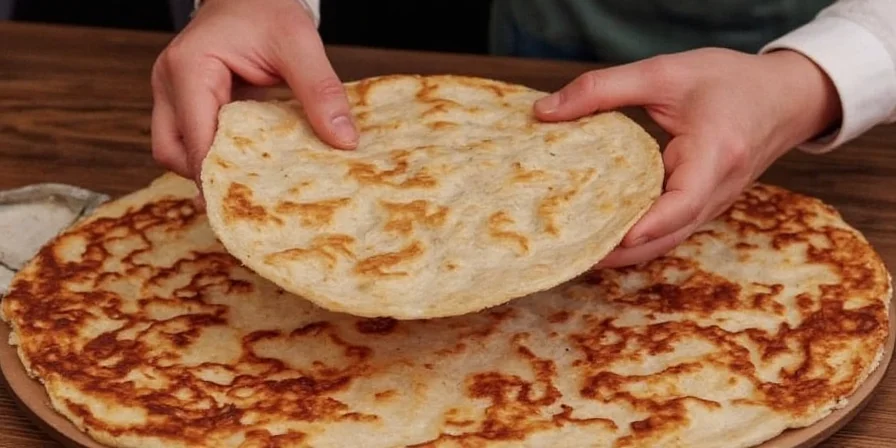
- Gather your ingredients: large corn tortillas (store-bought is fine), refried beans, Oaxaca cheese, protein of choice (like chorizo or grilled veggies), and your favorite salsas.
- Toasting time: Either bake them in the oven at 375°F (190°C) or toast them over a flame using tongs. Crispy edges = good vibes.
- Layer it up: Beans first, cheese second, toppings third. Let the cheese melt slightly before adding extras like lettuce or avocado.
- Bake it off: Throw it back in the oven for 5–10 minutes until everything melds together beautifully.
- Serve immediately… or suffer the consequences. Trust us, delay = disappointment.
Myth Busting: Is Tlayuda Just a Giant Toasty?
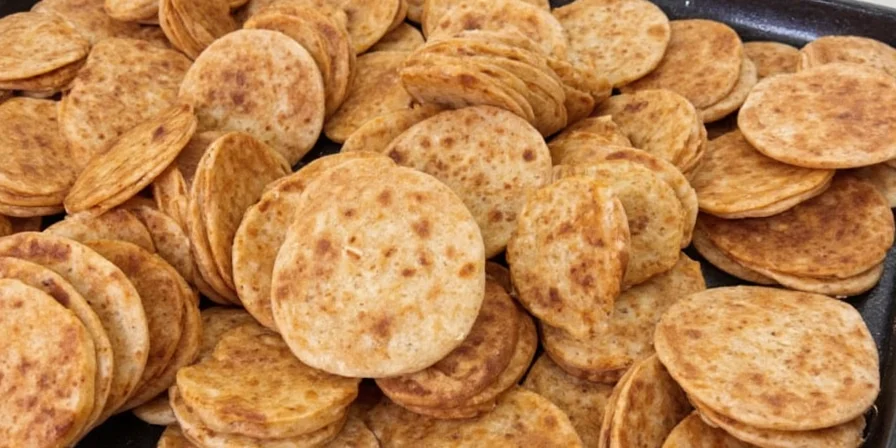
Let’s clear the air: a tlayuda is NOT just a giant toasted tortilla. It’s got layers of history, tradition, and most importantly—flavor.
- Myth #1: You can only eat tlayudas in Oaxaca.
Truth: While nothing beats a fresh one from a local mercado, you can definitely recreate it at home or find authentic versions in many U.S. cities now. - Myth #2: Tlayudas are unhealthy.
Truth: They’re packed with whole grains (masa), protein, and fresh veggies. Just maybe skip the extra cheese if you’re watching calories. - Myth #3: All tlayudas taste the same.
Truth: Like snowflakes, each tlayuda is unique based on region, toppings, and family recipes.
Conclusion: Tlayudas Oaxaca – Worth the Hype and the Napkins
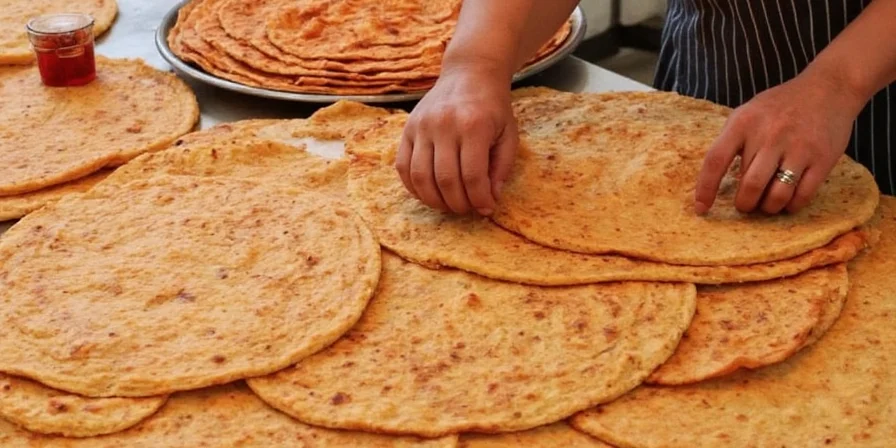
In summary, tlayudas oaxaca are the underdogs of Mexican cuisine—oversized, underrated, and full of fire. Whether you’re a seasoned spice adventurer or a curious newbie, there’s a tlayuda out there waiting to change your life.
So next time you’re craving something bold, crunchy, and loaded with personality, skip the takeout menu and reach for a tlayuda. Just don’t forget the napkins… trust us on that one.




 浙公网安备
33010002000092号
浙公网安备
33010002000092号 浙B2-20120091-4