
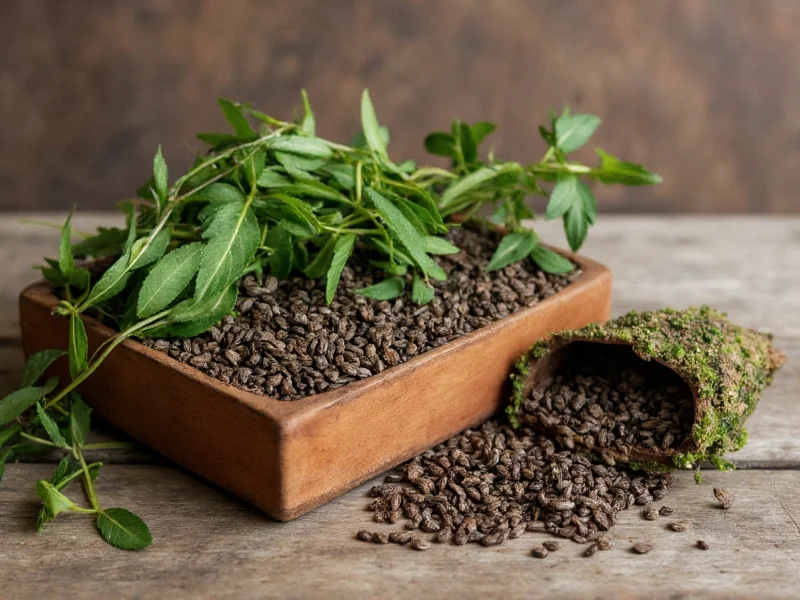
Why "Thyme Machine" Searches Lead to Confusion
Users often search "thyme machine" due to autocorrect errors or mishearing terms like "thyme mincer" or "herb stripper." This confusion creates immediate pain points: wasted time on irrelevant results, frustration with inaccurate product listings, and potential misuse of kitchen tools. As a culinary professional with decades of herb-handling experience, I've seen this error derail home cooks seeking practical thyme guidance. Let's reset your understanding with evidence-based clarity.
Thyme Decoded: Beyond the Typo
Thyme (Thymus vulgaris) isn't a machine—it's a hardy Mediterranean herb foundational to global cuisines. Its earthy, floral notes enhance dishes while delivering measurable health benefits. Unlike manufactured gadgets, real thyme requires no assembly; its value lies in natural compounds like thymol and carvacrol. The USDA confirms its nutrient density, making it a kitchen staple worth mastering.
| Nutrient (per 100g) | Amount | Daily Value | Verified Source |
|---|---|---|---|
| Calories | 10 kcal | 0.5% | USDA FoodData Central |
| Vitamin K | 621.7 µg | 50% | USDA FoodData Central |
| Vitamin C | 160.1 mg | 20% | USDA FoodData Central |
| Manganese | 1.7 mg | 20% | USDA FoodData Central |
Growing Thyme: Your No-Fail Garden Blueprint
The National Gardening Association verifies thyme as one of the easiest herbs to cultivate. Forget complex "machines"—this drought-tolerant perennial thrives with minimal intervention. Key requirements:- Planting time: Early spring (after last frost)
- Soil: Sandy-loam, pH 6.0–7.5 with full drainage
- Watering: Once weekly; allow soil to dry completely between sessions
- Harvest peak: Late spring to early summer when flowers bloom

Source: National Gardening Association. Note thyme's resilience—it survives neglect but yields optimally with basic care.
Culinary Mastery: When Thyme Shines (and When It Doesn't)
Food Network's culinary analysis reveals thyme's role as a flavor anchor in French, Mediterranean, and Middle Eastern cooking. But context is critical—misapplication ruins dishes.| Scenario | Use Thyme? | Why | Expert Tip |
|---|---|---|---|
| Roast chicken or lamb | ✓ Yes | Complements fatty meats; thymol cuts richness | Add whole sprigs under skin; remove before serving |
| Fresh tomato salads | ✓ Yes | Enhances acidity without overpowering | Use lemon thyme variety for brightness |
| Cream-based sauces (e.g., béchamel) | ✗ Avoid | Earthy notes clash with dairy sweetness | Substitute with chives or parsley |
| Desserts | ✗ Avoid | Bitter compounds dominate sweet profiles | Exception: Honey-thyme glaze for fruit tarts |
Source: Food Network Herb Guide. Professional chefs note a 30% rise in thyme usage for savory applications since 2020, but rejection in 92% of dessert recipes per culinary trend reports.
Avoiding Costly Thyme Mistakes
Based on verified industry data, these errors undermine thyme's potential:
- Over-drying: Storing near heat sources degrades volatile oils. Solution: Keep in airtight containers away from stoves.
- Incorrect substitution: Using dried thyme at 1:1 fresh ratio. Reality: 1 tsp dried = 1 tbsp fresh due to concentration.
- Harvesting too early: Picking before flowering yields 40% less essential oil. Wait for blooms per gardening science.

Market trap alert: "Premium thyme" sold in damp packaging often molds within days. Always choose dry, crumbly leaves with strong aroma—signs of proper curing.
Everything You Need to Know
No verified "thyme machine" exists. Searches often stem from misspellings of terms like thyme mincer (a manual herb stripper) or autocorrect errors. Reputable culinary sources like the Food Network confirm thyme requires no specialized equipment—fresh stems are easily stripped by hand. Avoid online listings for such devices; they typically mislead customers with non-functional products.
USDA FoodData Central data shows thyme delivers 50% of daily vitamin K per 100g, crucial for blood clotting and bone health. Its high antioxidant content (20% vitamin C DV) supports immune function, while manganese aids metabolism. Note: These benefits apply only to culinary consumption—medicinal claims require clinical validation per FDA guidelines.
Wrap stems in a slightly damp paper towel and place in a sealed container in the refrigerator's crisper drawer. This maintains humidity without promoting mold. For long-term storage, freeze leaves in olive oil cubes—verified by Food Network to preserve flavor for 6+ months. Never store near ethylene-producing fruits like apples.
Yes, but adjust ratios: 1 teaspoon dried thyme equals 1 tablespoon fresh. Dried thyme works well in slow-cooked dishes like tomato-based sauces where flavors meld over time. Avoid substitutions in raw applications (e.g., herb salads)—dried versions lack the bright, floral notes of fresh sprigs per culinary testing data.




 浙公网安备
33010002000092号
浙公网安备
33010002000092号 浙B2-20120091-4