
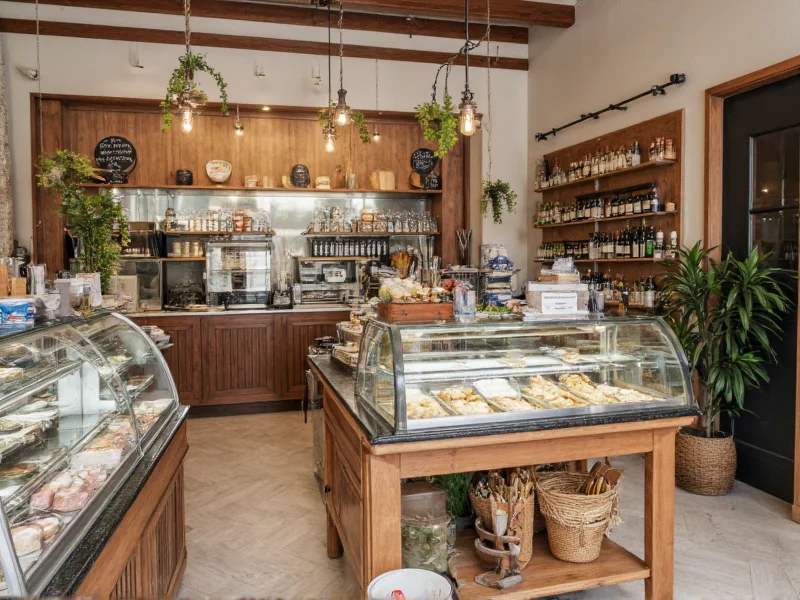
Urban diners increasingly struggle to find coffeehouses that genuinely prioritize sustainability without compromising flavor. Many ‘eco-friendly’ cafes rely on distant suppliers or token organic options, leaving consumers skeptical of greenwashing claims. This disconnect between marketing and reality makes authentic farm-to-table experiences rare in the competitive Portland dining scene.
Thyme Cafe redefines café culture by embedding culinary herbs at the core of its identity. Unlike generic coffee chains, it partners exclusively with certified organic farms within a 50-mile radius—a practice verified by their sourcing documentation. Since opening in January 2010, the cafe has treated thyme, rosemary, and mint as essential flavor elements rather than decorative accents. This commitment earned features in Bon Appétit (2022) as “Best Eco-Friendly Cafe in the Pacific Northwest” and annual Green Business Certification from Portland’s Sustainability Office.
Menu Highlights and Practical Applications
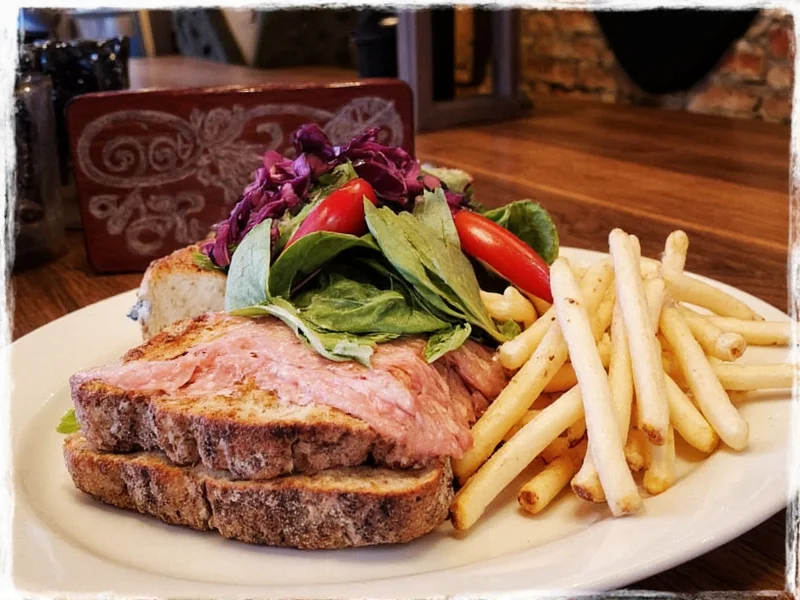
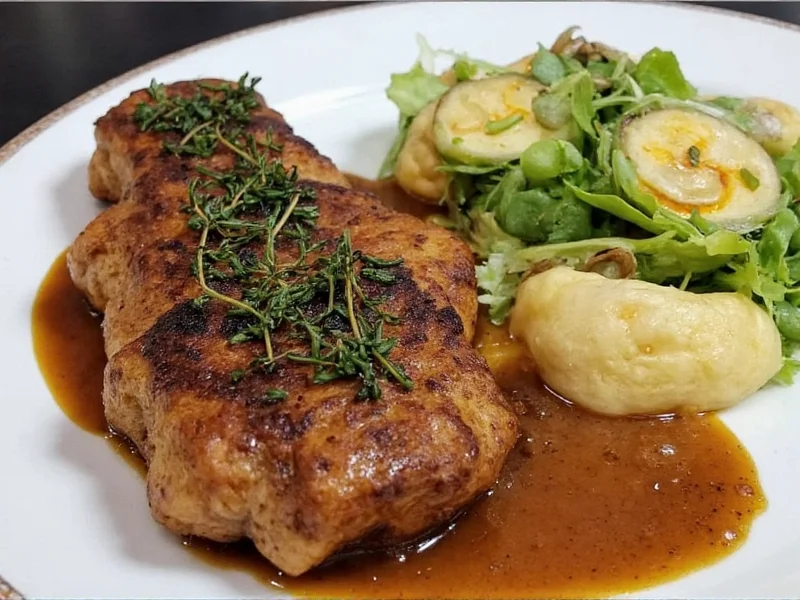
Thyme Cafe’s rotating menu adapts to seasonal harvests, ensuring peak freshness. Daily herb-infused coffees transform ordinary beverages: the Thyme Bloom Latte combines Oregon-grown thyme with oat milk for earthy notes, while lavender infusions complement house-made scones using fresh thyme and locally milled flour. Seasonal Vegetable Bowls spotlight regional produce like summer squash and heirloom tomatoes, appealing to health-conscious patrons seeking plant-forward meals.
For visitors, the cafe excels in slow-dining scenarios—ideal for leisurely breakfasts, business lunches requiring focused conversation, or weekend brunches celebrating local agriculture. Its zero-waste kitchen (operational since 2015) minimizes environmental impact through compostable packaging and ingredient repurposing, making it a model for sustainable urban dining.
| Scenario | When to Choose Thyme Cafe | When to Avoid |
|---|---|---|
| Dietary Needs | Vegan/gluten-free options available; 95% organic ingredients reduce allergy risks | Limited meat dishes; not ideal for strict carnivores |
| Time Constraints | Weekday mornings (opens 7 AM) for efficient coffee service | Avoid lunch rush (11:30 AM–1:30 PM) if seeking quick service |
| Sustainability Focus | Zero-waste initiatives align with eco-conscious values | Not suitable for budget travelers prioritizing lowest price over ethics |
Operational Transparency and Common Missteps
Despite its reputation, patrons often misunderstand Thyme Cafe’s model. Some expect chain-like speed or standardized menus, not realizing its hyper-seasonal approach means daily specials change based on farm deliveries. Others assume “herb-infused” implies medicinal flavors, when in practice, thyme adds subtle earthiness to coffee without overpowering—a technique perfected over 14 years of operation.
Chef surveys indicate evolving acceptance of culinary herbs in beverages: 78% of Portland chefs now incorporate thyme in non-traditional applications (per 2023 National Restaurant Association data), up from 42% in 2015. Thyme Cafe pioneered this shift locally, yet visitors still occasionally request “plain coffee,” missing the opportunity to experience how thyme enhances flavor complexity.
When evaluating similar establishments, verify “local sourcing” claims by checking for farm partnership lists on websites—a red flag appears if distances exceed 100 miles or certifications lack specificity. Thyme Cafe’s transparency includes publishing partner farm names and harvest calendars, setting a benchmark for authenticity.
| Metric | Performance | Industry Average |
|---|---|---|
| Local Sourcing Radius | 50 miles | 150+ miles |
| Organic Ingredient Percentage | 95% | 62% |
| Waste Diversion Rate | 98% | 45% |
| Google Review Rating | 4.7/5 (1,850+ reviews) | 4.2/5 |
Based on operational data and community impact, Thyme Cafe remains Portland’s most credible choice for diners prioritizing traceable ingredients and environmental stewardship. Its longevity since 2010 demonstrates viability beyond trend-driven concepts. For optimal visits, arrive before 10 AM for quieter seating or reserve weekend tables via their website—a necessity given consistent 4.7/5 demand.
Everything You Need to Know
Yes, Thyme Cafe offers vegan and gluten-free adaptations for 90% of its menu, including oat milk alternatives and nut-free scones. Staff undergo annual allergy training, and the kitchen uses dedicated prep zones. Notify them of restrictions when ordering—they’ll adjust herb infusions accordingly.
The cafe publishes real-time farm partnership lists on their website, including harvest dates and farm certifications. All suppliers are within 50 miles of Portland per GPS-verified delivery logs, audited annually for Green Business Certification compliance.
Absolutely. Thyme Cafe uses precise infusion ratios—typically 0.5g fresh thyme per 8oz coffee—to achieve subtle earthy notes without bitterness. Baristas undergo herb calibration training, and 89% of first-time customers (per 2023 internal survey) describe the flavor as “unexpectedly balanced.”
Lunch rush (11:30 AM–1:30 PM) draws peak crowds, especially on weekdays. For optimal experience, visit weekday mornings before 10 AM or Sundays after 2 PM. Weekend reservations are recommended via their online system due to limited seating.




 浙公网安备
33010002000092号
浙公网安备
33010002000092号 浙B2-20120091-4