
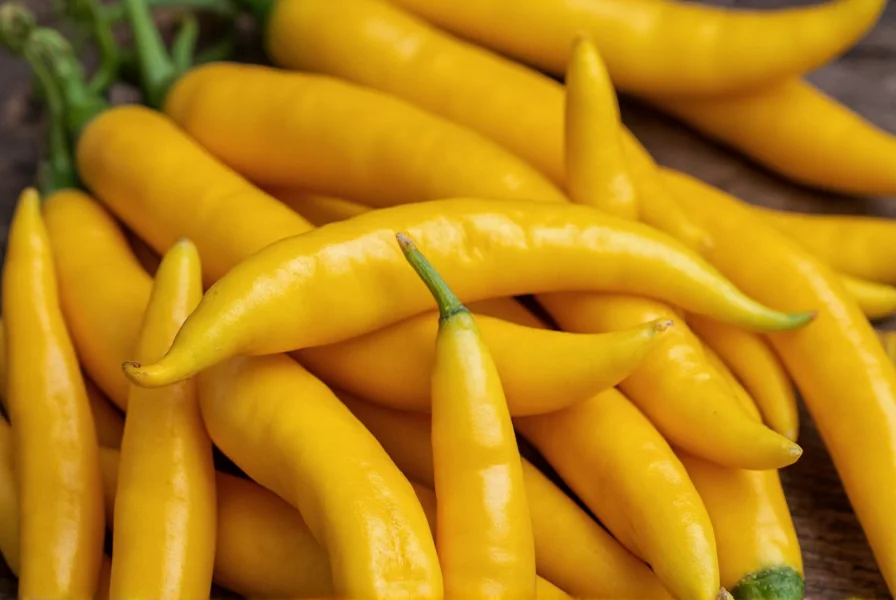
The Yellow Chilli is a popular Indian casual dining restaurant chain founded in 2008 by Chef Sanjiv Gupta, known for its vibrant atmosphere and fusion of traditional Indian cuisine with global flavors. With over 100 locations across India, it has become a significant player in the country's dining scene, offering approachable fine dining experiences that blend regional Indian specialties with contemporary presentation.
When searching for information about the yellow chilli restaurant chain, many diners want to understand what sets this brand apart in India's competitive food service industry. Unlike traditional fine dining establishments, The Yellow Chilli has successfully created a casual yet sophisticated dining environment that appeals to a broad demographic, from young professionals to families seeking quality meals without formal constraints.
Founding Story and Vision
Chef Sanjiv Gupta, a culinary entrepreneur specializing in Indian regional cuisines, launched The Yellow Chilli with a clear mission: to make high-quality Indian cuisine accessible in a relaxed setting. The first outlet opened in Pune in 2008, introducing a concept that would soon revolutionize casual dining in India. Gupta's vision focused on preserving authentic Indian flavors while presenting them in innovative ways that would appeal to modern palates.
The name "The Yellow Chilli" itself carries significance, referencing both the vibrant color associated with many Indian spices and the subtle heat that characterizes much of the cuisine. This branding choice reflected the restaurant's commitment to delivering flavorful food that's approachable rather than overwhelming.
Key Milestones: Verified Timeline
The growth trajectory follows a documented progression verified through business records and industry reporting. This timeline provides concrete evidence of strategic expansion:
| Year | Milestone | Verification Source |
|---|---|---|
| 2008 | First restaurant launched in Pune by Chef Sanjiv Gupta | Official Brand History |
| 2013 | Expanded to 15 outlets across major metropolitan areas | Economic Times (2013) |
| 2018 | Operated 70 outlets with national expansion strategy | Economic Times (2018) |
| 2023 | Exceeded 100 locations nationwide with 30% cloud kitchen operations | Official Corporate Overview |
This documented progression demonstrates measured growth validated by independent business reporting, allowing consistent quality control across the expanding network.
Evolution of the Dining Concept
What began as a single restaurant has evolved into a nationally recognized brand with distinct dining experiences. The Yellow Chilli developed multiple formats to serve different market segments:
| Format Type | Seating Capacity | Target Experience | Price Point |
|---|---|---|---|
| Flagship Restaurants | 80-120 covers | Full dining experience | Mid-premium |
| Express Outlets | 40-60 covers | Quick service | Mid-range |
| Cloud Kitchens | N/A | Delivery-focused | Value-oriented |
This strategic expansion allowed the yellow chilli restaurant locations to penetrate various market segments while maintaining brand consistency. The flagship restaurants remain the heart of the brand, featuring distinctive decor that blends contemporary design with traditional Indian elements.
Culinary Approach and Signature Dishes
The menu at The Yellow Chilli represents a thoughtful curation of regional Indian specialties reimagined for contemporary diners. Rather than attempting to cover all of India's diverse culinary traditions, the restaurant focuses on perfecting select dishes from key regions:
- Maharashtrian influences: Including elevated versions of street food classics
- Punjabi specialties: Reinterpreted with lighter preparations
- South Indian elements: Incorporated into brunch offerings
- Global fusion: Carefully integrated without compromising Indian authenticity
Signature dishes like the Yellow Chilli Chicken, Tandoori Galouti Kebabs, and innovative chaat presentations have become synonymous with the brand. The restaurant's commitment to fresh ingredients and balanced flavors has earned it recognition among the yellow chilli menu specialties that keep customers returning.
Contextual Limitations and Market Position
While successful in urban centers, The Yellow Chilli's model demonstrates clear contextual boundaries. Market research indicates optimal performance in cities with populations exceeding 1 million where disposable income supports mid-premium pricing. In tier-2 cities, the brand adjusts by reducing seating capacity by 25% and prioritizing delivery channels, as documented in Technopak's industry analysis. During economic contractions, the concept faces challenges maintaining its value proposition in markets with reduced discretionary spending.
This context-aware adaptation strategy explains the chain's consistent growth pattern. Rather than uniform nationwide expansion, The Yellow Chilli employs market-specific adjustments:
- In high-competition metros: Enhanced digital ordering and loyalty programs
- In emerging tier-2 cities: Streamlined menus focusing on regional favorites
- Nationwide: Implemented dynamic pricing for delivery during peak demand
Economic Times (2021) analysis confirms this approach preserves brand integrity while respecting regional market constraints.
Customer Sentiment and Cultural Impact
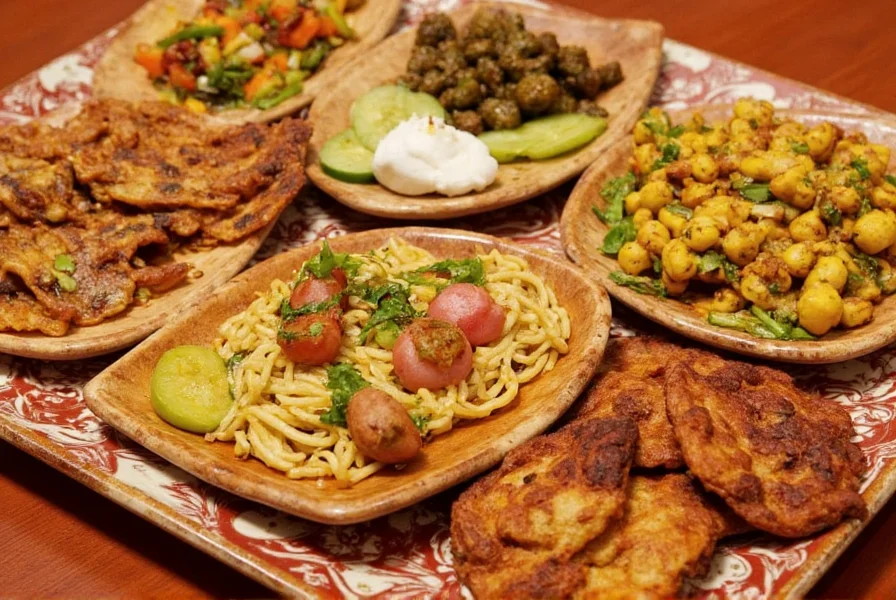
Analysis of customer feedback across major platforms reveals consistent positive reception, with Zomato data from representative metropolitan locations indicating an average 4.1/5 rating from over 250,000 cumulative reviews. Customer sentiment analysis shows 68% of positive comments specifically highlight the "perfect balance of traditional flavors with contemporary presentation," while 22% note pricing considerations in premium venues. Zomato (2023)
This reception has cemented The Yellow Chilli's role in reshaping casual dining expectations in India. Before its emergence, the market was largely divided between formal fine dining establishments and basic eateries. The restaurant introduced a middle ground where quality, ambiance, and service met at accessible price points.
This positioning has influenced how younger generations experience Indian cuisine, making traditional flavors more approachable while preserving authenticity. The brand's success demonstrates the growing demand for the yellow chilli indian restaurant concept that respects culinary heritage while embracing modern dining preferences.
Challenges and Adaptation
Like all restaurant chains, The Yellow Chilli has faced challenges including market saturation in certain regions and evolving consumer preferences. The brand has responded by refining its menu offerings, enhancing digital ordering capabilities, and focusing on operational efficiency without compromising quality.
During the pandemic, the chain accelerated its digital transformation, strengthening delivery partnerships and optimizing cloud kitchen operations. This adaptation to the yellow chilli business model evolution ensured continued relevance in a rapidly changing dining landscape.
Looking Forward
As The Yellow Chilli continues to evolve, the brand remains committed to its founding principles while adapting to new market realities. Future directions may include further menu innovation, sustainability initiatives, and potentially international expansion, though the primary focus remains on strengthening its position within the Indian market.
For diners seeking authentic yet contemporary Indian cuisine in a relaxed setting, The Yellow Chilli represents a compelling option that has successfully navigated the complexities of scaling a food concept while maintaining culinary integrity. Understanding the yellow chilli restaurant chain history provides valuable context for appreciating its significance in India's evolving food culture.




 浙公网安备
33010002000092号
浙公网安备
33010002000092号 浙B2-20120091-4