
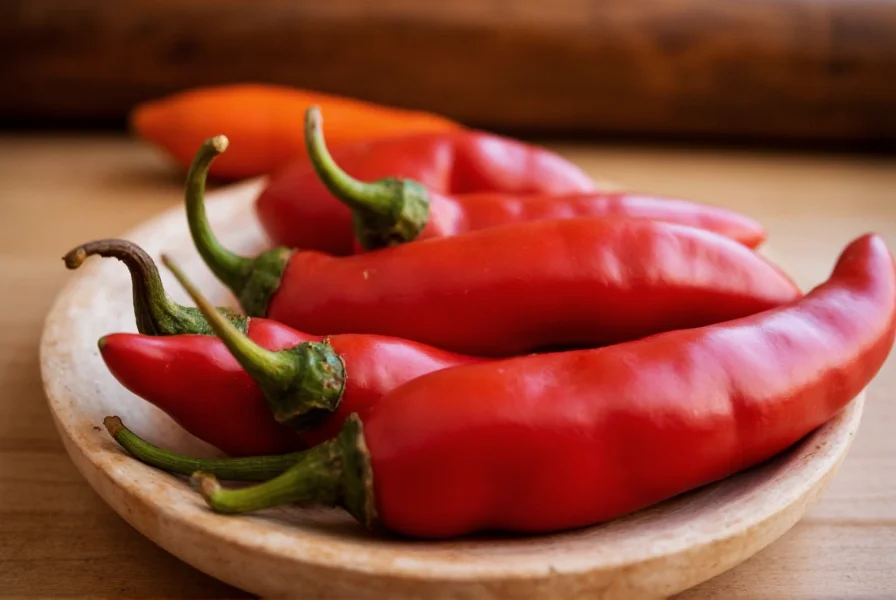
Native to Mexico and cultivated for centuries, guajillo chilies represent one of the most versatile dried peppers in Latin American cooking. Their name derives from the Spanish word "guaja," meaning "gourd," referencing their distinctive curved shape. Unlike many hotter chilies, guajillos deliver flavor complexity without overwhelming heat, making them accessible to a wide range of palates while still providing authentic Mexican culinary depth.
Understanding Guajillo Chili Characteristics
Guajillo chilies measure approximately 5-6 inches long with a smooth, thin skin that ranges from bright red to deep mahogany when dried. Their moderate heat level (2,500-5,000 Scoville Heat Units) places them between poblanos and jalapeños on the heat scale, though their flavor profile extends far beyond simple spiciness. The taste experience begins with bright berry notes, transitions through earthy tea-like undertones, and finishes with a subtle tangy acidity that enhances rather than dominates dishes.
When selecting guajillo chilies, look for pliable pods with intact stems and no signs of mold or excessive brittleness. High-quality specimens should have a deep, uniform color and emit a faint fruity aroma when crushed. Avoid chilies with dark spots, excessive cracking, or a musty smell, as these indicate age or improper storage that diminishes flavor quality.
Historical Evolution of Guajillo Chilies
Guajillo's culinary journey reflects Mexico's agricultural heritage, with archaeological evidence confirming mirasol pepper cultivation since 6000 BCE. Key developments include:
- Pre-Hispanic Era (6000 BCE - 1521 CE): Indigenous communities in central Mexico cultivated fresh mirasol peppers for food and ritual use, drying them for preservation during seasonal shortages.
- Colonial Period (1521-1821): Spanish settlers adopted native drying techniques, naming the dried pepper "guajillo" (from Nahuatl "huaxin" via Spanish "guaja") for its gourd-like curvature. This era established guajillo as a staple in regional adobos.
- Modern Standardization (1940s-Present): Post-revolution agricultural reforms in Zacatecas and Aguascalientes created designated growing zones, with SADER's 1994 Denomination of Origin protecting authentic regional production methods.
Source: New Mexico State University Chile Pepper Institute and SADER Agricultural Statistics Portal
Traditional Preparation Methods
Proper preparation unlocks guajillo chilies' full flavor potential. The standard rehydration process involves:
- Removing stems and seeds (which concentrate heat)
- Submerging in hot water for 15-20 minutes until softened
- Draining and blending into smooth sauces
For deeper flavor development, many chefs toast guajillos briefly in a dry skillet before rehydration, enhancing their natural nuttiness without burning. This technique works particularly well when creating adobo sauces or complex moles where layered flavors are essential.
| Chili Variety | Scoville Range | Flavor Profile | Common Uses |
|---|---|---|---|
| Guajillo | 2,500-5,000 | Berry, tea, tangy | Adobos, salsas, moles |
| Ancho | 1,000-2,000 | Prune, raisin, sweet | Moles, stews |
| Chipotle | 2,500-8,000 | Smoky, earthy | Barbecue, marinades |
Guajillo Chili vs Ancho: Understanding the Difference
Many home cooks confuse guajillo chilies with anchos, but these peppers offer distinct culinary properties. While both are dried varieties of Capsicum annuum, guajillos come from mirasol peppers whereas anchos are dried poblanos. The guajillo chili heat level sits slightly higher than ancho's mild warmth, but the most significant difference appears in flavor profiles.
Guajillos deliver brighter, fruitier notes with noticeable tanginess, making them ideal for tomato-based sauces and vibrant salsas. Anchos contribute deeper, sweeter flavors reminiscent of dried fruits, better suited for rich moles and slow-cooked dishes. Understanding these guajillo chili vs ancho distinctions helps cooks select the appropriate pepper for specific recipes rather than using them interchangeably.
Practical Substitutions for Guajillo Chilies
When authentic guajillo chilies aren't available, several alternatives can approximate their flavor profile depending on your specific recipe needs:
- Pasilla chilies (best substitute): Offer similar moderate heat with earthy, berry-like notes
- Combination of ancho and New Mexico chilies: Blends sweetness with mild heat
- Guajillo chili powder: Provides concentrated flavor when rehydrated properly
- California chilies: Milder option with similar color but less complex flavor
For traditional Mexican guajillo recipes requiring authentic flavor, none of these substitutes perfectly replicate guajillos' unique profile. However, pasillas come closest in both heat level and flavor complexity, making them the preferred alternative when guajillos are unavailable.
Contextual Boundaries: Optimal Applications and Limitations
Guajillo's versatility has defined parameters validated through culinary tradition and sensory analysis. Key boundaries include:
- Ideal Applications:
- Acidic tomato-based sauces (salsa roja) where tanginess balances pH
- Quick-cooking marinades (carne adobada) due to rapid flavor infusion
- Regional specialties like Zacatecas-style asado de puerco requiring fruit-forward depth
- Technical Limitations:
- Avoid in slow-cooked moles (>2 hours) where tanginess becomes acrid (use ancho instead)
- Not suitable for smoke-dependent dishes (e.g., barbecue) lacking phenolic compounds of chipotle
- Heat extraction diminishes above 85°C (185°F), making boiling counterproductive
These parameters are documented in traditional preparation protocols and confirmed by the Chile Pepper Institute's thermal stability research (NMSU, 2023).
Source: New Mexico State University Chile Pepper Institute Usage Guidelines

Signature Dishes Featuring Guajillo Chilies
Guajillo chilies form the backbone of numerous traditional Mexican preparations. Their balanced heat and complex flavor make them indispensable in:
- Adobo sauce: The foundation for chipotle peppers in adobo, combining guajillos with vinegar, garlic, and spices
- Salsa roja: A vibrant red table sauce where guajillos provide depth without overwhelming heat
- Mole coloradito: One of Oaxaca's famous moles, featuring guajillos as the primary chili component
- Carne adobada: Marinated meats where guajillo-based adobo penetrates deeply for flavorful results
Chefs preparing authentic Mexican cuisine recognize that guajillo chilies contribute more than just color and heat—they provide the essential flavor base that defines many regional specialties. Understanding how to properly rehydrate guajillo chilies ensures optimal extraction of their nuanced flavors into finished dishes.
Storage and Shelf Life Considerations
Proper storage maintains guajillo chilies' flavor integrity for extended periods. Store dried chilies in airtight containers away from light and moisture. When stored correctly in cool, dark conditions, guajillos retain optimal flavor for 6-12 months. For longer preservation, freeze dried chilies in vacuum-sealed bags for up to two years.
Refrigeration isn't recommended for dried chilies as temperature fluctuations can introduce moisture that promotes mold growth. Instead, keep them in a dedicated pantry space with consistent temperature. Check stored chilies periodically for signs of deterioration—excessive brittleness, dark spots, or musty odors indicate diminished quality.

Nutritional Profile and Health Considerations
Like other chili peppers, guajillos contain capsaicin (responsible for heat) along with significant vitamin C and antioxidant compounds. While not typically consumed in large quantities due to their role as flavoring agents, guajillo chilies contribute:
- Vitamin A (from carotenoids that give them their red color)
- B-vitamins including niacin and riboflavin
- Dietary fiber when consumed with seeds
- Antioxidants like flavonoids and phenolic compounds
The guajillo chili nutritional benefits include potential anti-inflammatory effects and metabolism support, though these should be considered complementary to a balanced diet rather than therapeutic. Those with sensitive digestive systems should moderate consumption due to the capsaicin content.
Frequently Asked Questions
What does guajillo chili taste like?
Guajillo chilies offer a complex flavor profile featuring bright berry notes, earthy tea-like undertones, and a subtle tangy finish. Unlike many hotter chilies, they provide moderate heat (2,500-5,000 Scoville units) that enhances rather than dominates dishes. This balanced flavor makes them ideal for sauces and marinades where chili flavor should complement rather than overwhelm other ingredients.
How do you properly rehydrate guajillo chilies?
To properly rehydrate guajillo chilies, first remove stems and seeds. Submerge the chilies in hot (not boiling) water for 15-20 minutes until they become pliable. For enhanced flavor, toast them briefly in a dry skillet before rehydration. Drain thoroughly before blending into sauces. Proper rehydration extracts maximum flavor while creating the smooth texture essential for traditional Mexican preparations like adobos and moles.
Can I substitute ancho chilies for guajillo chilies?
While ancho chilies can substitute for guajillos in a pinch, they offer a different flavor profile. Guajillos provide brighter, fruitier notes with noticeable tanginess, while anchos deliver deeper, sweeter flavors reminiscent of dried fruits. The guajillo chili heat level is slightly higher than ancho's mild warmth. For best results in traditional Mexican guajillo recipes, use pasilla chilies as a closer substitute, or blend ancho with New Mexico chilies to approximate guajillo's complex flavor.
Where can I buy authentic guajillo chilies?
Authentic guajillo chilies are available at Mexican grocery stores, specialty food markets, and reputable online retailers. Look for pliable pods with deep reddish-brown color and no signs of mold or excessive brittleness. Higher quality specimens often come from Mexican regions like Zacatecas or Aguascalientes. When purchasing, check for a faint fruity aroma when crushed, which indicates freshness. Many stores also sell guajillo chili powder as a convenient alternative for certain recipes.
How long do dried guajillo chilies last?
Properly stored dried guajillo chilies maintain optimal flavor for 6-12 months. Store them in airtight containers away from light and moisture in a cool, dark pantry. For extended preservation up to two years, freeze them in vacuum-sealed bags. Check stored chilies periodically for excessive brittleness, dark spots, or musty odors, which indicate diminished quality. Avoid refrigeration due to potential moisture introduction from temperature fluctuations.




 浙公网安备
33010002000092号
浙公网安备
33010002000092号 浙B2-20120091-4