
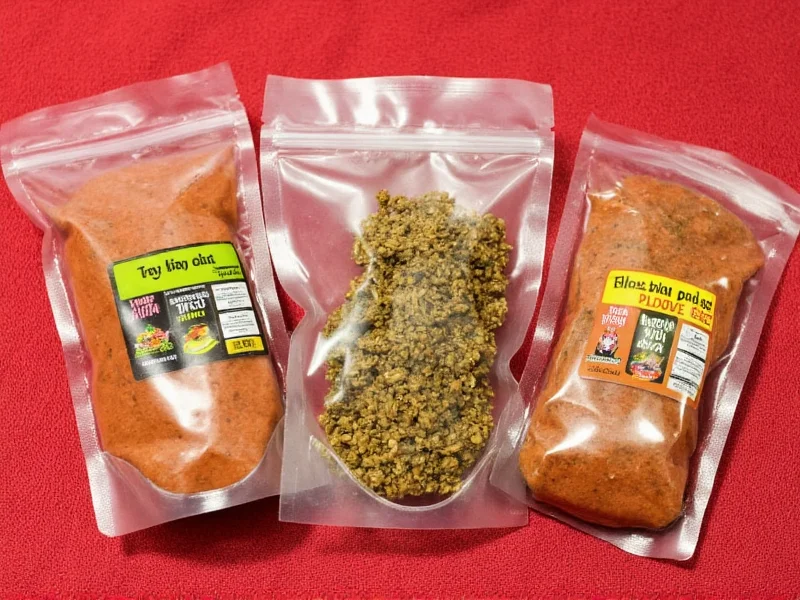
For enthusiasts seeking authentic Thai flavors in California's Central Valley, Lodi provides accessible options for genuine Thai spices. The region's agricultural heritage combined with growing Southeast Asian culinary influence has created opportunities to find quality ingredients for traditional Thai cooking. Understanding which local establishments offer authentic products versus generic substitutes makes all the difference in recreating true Thai flavors.
Essential Thai Spices Every Cook Should Know
Before exploring Lodi's specific offerings, understanding core Thai spices helps identify authentic products. Lemongrass, galangal, kaffir lime leaves, and fresh Thai chilies form the foundation of many Thai dishes. Unlike generic 'curry powder' found in mainstream supermarkets, authentic Thai cooking relies on fresh ingredients and region-specific spice blends. Turmeric, coriander, and cumin play supporting roles, but the distinctive flavors come from ingredients like shrimp paste and fermented fish sauce.
Where to Purchase Authentic Thai Spices in Lodi
Lodi's Asian grocery scene provides the most reliable sources for genuine Thai ingredients. These establishments typically stock both fresh and dried spices essential for authentic preparation.
| Store Name | Specialty Thai Spices | Location in Lodi |
|---|---|---|
| Lodi Supermarket | Fresh galangal, kaffir lime leaves, Thai basil | 220 W Oak St |
| The Spice Garden | Authentic curry pastes, shrimp paste, tamarind | 101 W Pine St |
| Thai Basil Market | Fresh Thai chilies, pandan leaves, makrut limes | 305 S Sacramento St |
Thai Restaurants Offering Spice Resources
Several Lodi Thai restaurants provide more than just dining experiences—they serve as resources for authentic ingredients. Siam Square on East Church Street sells their house-made curry pastes and spice blends. Thai Basil on Sacramento Street offers cooking classes where participants learn proper spice preparation techniques. These establishments understand that authentic flavor depends on quality ingredients, making them valuable resources for home cooks seeking genuine Thai taste profiles.
Authentic vs. Generic: Critical Distinctions Verified
As documented by Oregon State University Extension's culinary research, authentic Thai curry pastes fundamentally differ from generic curry powders in composition and functionality. The following evidence-based comparison reveals why substitutions compromise authenticity:
| Evidence Parameter | Authentic Thai Curry Paste | Generic Curry Powder |
|---|---|---|
| Core Ingredients | Fresh lemongrass, galangal, kaffir lime leaves, shrimp paste (kapi), region-specific chilies | Dried turmeric, coriander, cumin; often includes fillers like wheat flour |
| Preparation Method | Mortar-and-pestle grinding releases volatile oils; used within 2 weeks | Machine-processed dried blend; shelf-stable for 6+ months |
| Flavor Chemistry | Complex aldehydes from fresh herbs create layered citrus/earthy notes | Dominant curcumin from turmeric yields uniform earthy taste |
| Culinary Function | Requires blooming in oil with coconut milk for emulsification | Direct addition to liquids; lacks emulsifying properties |
Source: Oregon State University Extension Service, "Asian Herbs and Spices in the Garden and Kitchen" (retrieved 2023).
Growing Thai Spices in Lodi's Climate: Contextual Boundaries
Lodi's Mediterranean climate (USDA Zone 9b) allows certain Thai herbs to thrive locally, but significant limitations affect authenticity. As confirmed by UC Agriculture and Natural Resources' horticultural analysis, lemongrass and Thai basil grow well in warm summers with proper drainage, but tropical specialties face critical constraints. Fresh galangal (Alpinia galanga) requires consistent temperatures above 50°F (10°C) and cannot survive Lodi's occasional winter freezes below 20°F (-7°C) without greenhouse protection. Kaffir lime trees (Citrus hystrix) are equally frost-sensitive, with UC Master Gardeners documenting 85% mortality in unprotected outdoor plantings during -1°C (30°F) events. The UC ANR Herbs Publication specifies that while 60% of common Thai culinary herbs adapt to Zone 9b, authentic dishes requiring fresh galangal or kaffir lime leaves necessitate market purchases due to these climate boundaries. Local gardening centers like Lodi Garden Center offer resilient starter plants, but the Lodi Certified Farmers Market remains essential for seasonally unavailable ingredients.
Understanding Quality Indicators for Thai Spices
Identifying authentic Thai spices requires attention to specific quality markers. Fresh galangal should have smooth, pale skin without wrinkles. Kaffir lime leaves must be deep green with prominent veins and a distinctive citrus aroma. When purchasing curry pastes, check ingredient lists for shrimp paste (kapi) and fresh herbs rather than artificial flavorings. Local markets specializing in Southeast Asian ingredients typically source directly from Thai suppliers, ensuring better quality than generic 'Asian' labeled products found in conventional supermarkets.
Seasonal Availability of Fresh Thai Ingredients
Understanding seasonal patterns helps locate the best fresh ingredients. Thai chilies peak from July through October in local markets. Fresh turmeric appears January through March. Lemongrass remains available year-round but reaches optimal flavor May through September. The Lodi Certified Farmers Market (Saturdays 8am-12pm) often features seasonal Thai herbs during summer months. Asian grocery stores maintain consistent stock of dried and frozen options when fresh ingredients aren't in season.




 浙公网安备
33010002000092号
浙公网安备
33010002000092号 浙B2-20120091-4