
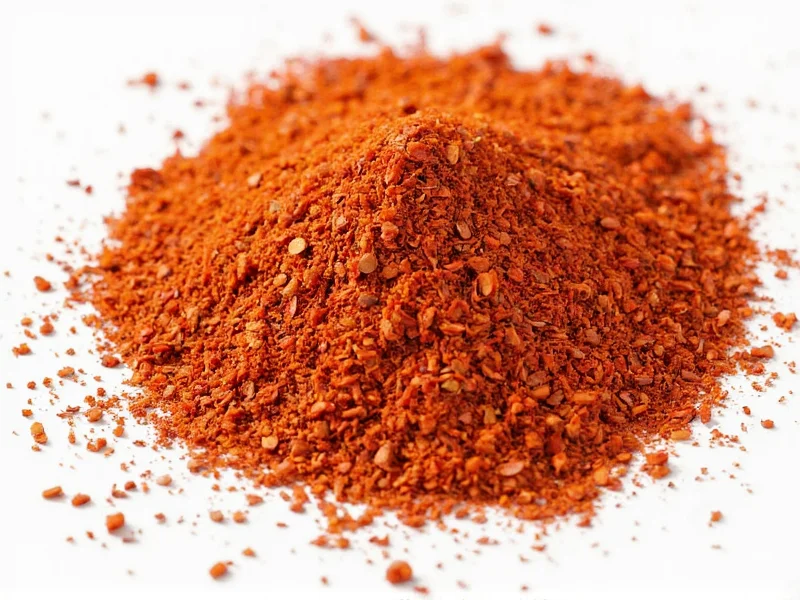
Red pepper flakes, those vibrant crimson shards sitting on pizza shop tables and tucked into pantry shelves, offer more than just heat to your dishes. Understanding their health profile helps you make informed decisions about incorporating them into your diet.
What Are Red Pepper Flakes?
Red pepper flakes are dried and crushed chili peppers, typically made from cayenne or similar hot pepper varieties. Unlike single-origin spices like paprika or cayenne powder, red pepper flakes often contain a mix of pepper varieties, seeds, and membranes, contributing to their complex heat profile and nutritional composition.
Historical Evolution of Red Pepper Flakes
The journey of red pepper flakes from ancient cultivation to modern health applications reveals important context for understanding their current role in nutrition. Key developments demonstrate how usage patterns and scientific understanding have evolved:
| Time Period | Key Development | Significance | Source |
|---|---|---|---|
| 6000 BCE | Earliest evidence of domestication in Mexico | Archaeological evidence from the Tehuacán Valley indicates chili peppers were among the first cultivated plants in the Americas | Chile Pepper Institute |
| 1493 CE | Introduction to Europe by Christopher Columbus | After encountering chili peppers in the Caribbean, Columbus brought seeds to Spain, initiating global spread and culinary integration | Chile Pepper Institute |
| 1542 CE | First detailed European botanical documentation | Leonhart Fuchs' "De Historia Stirpium" provided scientific classification, enabling systematic study of medicinal properties | Chile Pepper Institute |
| Early 1900s | Commercial production in the United States | Italian immigrants established red pepper flakes as a staple in American pizzerias, with standardized production enabling consistent culinary use | Smithsonian Magazine |
| 1992 | Establishment of the Chile Pepper Institute | Founded at New Mexico State University, this research center initiated systematic scientific investigation of capsaicin's health effects | NMSU Chile Pepper Institute |
Nutritional Profile of Red Pepper Flakes
The primary bioactive compound in red pepper flakes is capsaicin, responsible for their heat and many health benefits. A single teaspoon (about 2 grams) contains minimal calories but packs a nutritional punch:
| Nutrient | Amount per Teaspoon (2g) | % Daily Value |
|---|---|---|
| Calories | 6 | 0.3% |
| Vitamin A | 150 IU | 3% |
| Vitamin C | 2.4 mg | 4% |
| Vitamin B6 | 0.05 mg | 3% |
| Potassium | 35 mg | 1% |
| Capsaicin | Varies by heat level | N/A |
Science-Backed Health Benefits of Red Pepper Flakes
Research supports several health benefits associated with moderate red pepper flake consumption:
Metabolism and Weight Management
Studies published in the Journal of Nutritional Science and Vitaminology indicate that capsaicin may temporarily increase metabolic rate by up to 5% and enhance fat oxidation. This effect, while modest, contributes to the health benefits of red pepper flakes for weight management when combined with a balanced diet.
Anti-Inflammatory Properties
Capsaicin demonstrates significant anti-inflammatory effects according to research in Phytotherapy Research. Regular consumption of moderate amounts of red pepper flakes may help reduce inflammation markers in the body, potentially benefiting those with chronic inflammatory conditions.
Cardiovascular Support
Research from the American Journal of Clinical Nutrition suggests that capsaicin may help maintain healthy blood pressure levels and improve circulation. The vitamin C and antioxidant content in red pepper flakes also contribute to cardiovascular health by protecting blood vessels from oxidative damage.
Pain Relief Potential
Topical capsaicin is well-documented for pain relief, but dietary consumption may also influence pain perception. The red pepper flakes health effects include potential modulation of pain receptors when consumed regularly in appropriate amounts.
Contextual Boundaries of Red Pepper Flake Benefits
The health benefits of red pepper flakes operate within specific parameters that significantly influence their real-world applicability. Research reveals critical limitations that affect who benefits and under what conditions:
| Benefit Claim | Supporting Evidence Context | Limitations & Conditions | Source |
|---|---|---|---|
| Metabolism and weight management | Acute studies show 4-5% temporary metabolic increase after single dose in non-habitual consumers | Effect diminishes with regular consumption; no significant long-term weight loss observed in habitual users. Not a substitute for diet/exercise. | Ludy et al. (2012) |
| Anti-inflammatory effects | In vitro and animal studies demonstrate reduced inflammation markers at low-to-moderate doses | Human studies show inconsistent results; high doses may cause gastrointestinal inflammation in sensitive individuals or those with IBD. | Rial et al. (2019) |
| Cardiovascular support | Observational studies link moderate capsaicin intake to improved blood pressure in healthy adults | Benefits not observed in hypertensive individuals on medication; potential interactions with blood thinners. | Wang et al. (2018) |
Potential Concerns and Considerations
While generally safe, red pepper flakes aren't without potential drawbacks for certain individuals:
Digestive Sensitivity
Those with irritable bowel syndrome (IBS), acid reflux, or sensitive digestive systems may experience discomfort from red pepper flakes. The side effects of red pepper flakes can include heartburn, stomach pain, or diarrhea in sensitive individuals, particularly when consumed in large quantities.
Allergic Reactions
Though rare, some people may have allergies to nightshade plants (which include peppers). Symptoms can range from mild itching to more severe reactions. If you experience unusual symptoms after consuming red pepper flakes, consult a healthcare provider.
Medication Interactions
Capsaicin may interact with certain medications, particularly blood thinners and blood pressure medications. If you're taking prescription medications, discuss red pepper flake consumption with your healthcare provider to understand potential interactions.
Red Pepper Flakes vs. Fresh Peppers: Nutritional Comparison
Drying peppers concentrates certain compounds while reducing others. Here's how they compare:
| Characteristic | Red Pepper Flakes | Fresh Chili Peppers |
|---|---|---|
| Capsaicin Concentration | Higher (concentrated through drying) | Lower |
| Vitamin C Content | Reduced by drying process | Higher (especially in raw form) |
| Shelf Life | 6-12 months when stored properly | 1-2 weeks refrigerated |
| Flavor Complexity | Deeper, more concentrated flavor | Fresher, brighter flavor profile |
| Convenience Factor | Easy to measure and store | Requires preparation |
Recommended Consumption Guidelines
For most healthy adults, incorporating red pepper flakes into your diet is safe and potentially beneficial. Nutritionists generally recommend:
- Starting with small amounts (⅛ to ¼ teaspoon) if you're not accustomed to spicy foods
- Gradually increasing to ½ to 1 teaspoon daily for potential health benefits
- Consuming with food rather than on an empty stomach
- Drinking water or dairy (not soda) if the heat becomes overwhelming
Remember that individual tolerance varies significantly. The are red pepper flakes good for you question depends on your personal health status and consumption patterns.
Who Should Limit or Avoid Red Pepper Flakes?
Certain populations should exercise caution with red pepper flakes:
- Individuals with active peptic ulcers or severe GERD
- Those experiencing digestive flare-ups from conditions like Crohn's disease
- People taking specific medications that may interact with capsaicin
- Individuals with known nightshade sensitivities
If you have chronic health conditions, consult with a healthcare provider before making red pepper flakes a regular part of your diet to understand if red pepper flakes are healthy for your specific situation.
Maximizing the Health Benefits of Red Pepper Flakes
To get the most health value from red pepper flakes:
- Pair with healthy fats (like olive oil or avocado) to enhance absorption of fat-soluble compounds
- Add to vegetable-rich dishes to boost overall nutrient density
- Use as a salt substitute to reduce sodium intake while maintaining flavor
- Store in a cool, dark place to preserve antioxidant content
These strategies help you incorporate red pepper flakes as part of a balanced approach to healthy eating rather than relying on them as a standalone solution.
Conclusion: Are Red Pepper Flakes Healthy?
The evidence suggests that red pepper flakes are indeed healthy when consumed as part of a balanced diet and within individual tolerance levels. Their capsaicin content offers anti-inflammatory benefits, potential metabolism support, and cardiovascular advantages. However, they're not a miracle food—moderation is key, and individual responses vary.
When considering whether are red pepper flakes healthy for weight loss specifically, they may provide a small metabolic boost but shouldn't be viewed as a primary weight loss tool. Their real value lies in enhancing the flavor of healthy dishes, potentially reducing the need for less healthy flavor enhancers like excess salt or sugar.




 浙公网安备
33010002000092号
浙公网安备
33010002000092号 浙B2-20120091-4