
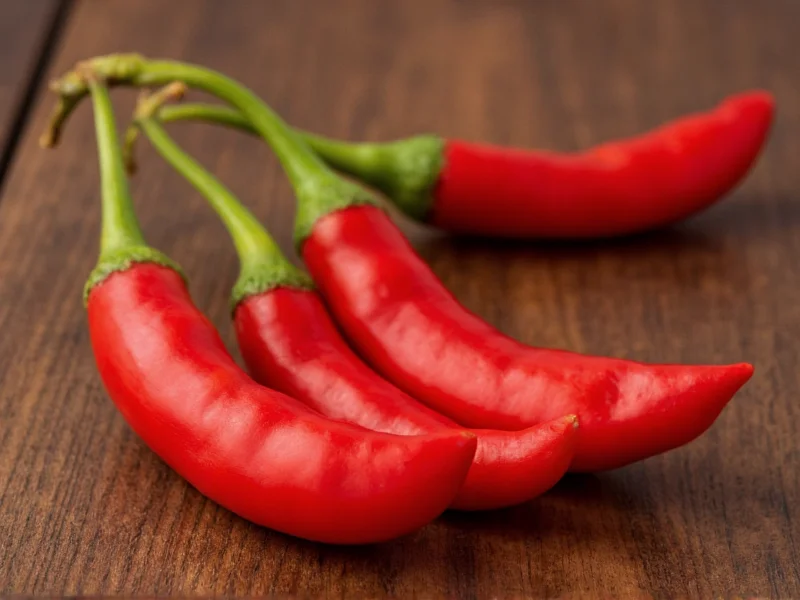
Understanding this fiery ingredient unlocks authentic Thai cooking experiences. Thai red bird chilies serve as the backbone of heat in countless Southeast Asian dishes, from fiery tom yum soup to complex curry pastes. Their distinctive flavor profile goes beyond mere spiciness, contributing a bright, almost citrusy note that balances beautifully with coconut milk, fish sauce, and fresh herbs.
Physical Characteristics and Identification
Measuring just 1.5-2.5 inches long with a thin, tapered shape, Thai red bird chilies are easily distinguishable from other varieties. They begin life as vibrant green peppers before maturing through yellow and orange stages to their signature deep red color. The thin skin and small size belie their significant heat potential, making them one of the hottest commonly available chili varieties.
When selecting Thai red bird chilies at your local market, look for firm, glossy specimens without wrinkles or soft spots. The brightest red peppers typically indicate full maturity and maximum heat potential. Fresh chilies should feel substantial for their size, signaling good moisture content and freshness.
Heat Level Comparison Chart
| Chili Variety | Scoville Heat Units | Relative Heat |
|---|---|---|
| Thai Red Bird Chili | 50,000-100,000 | 8-10x hotter than jalapeño |
| Jalapeño | 2,500-8,000 | Baseline |
| Serrano | 10,000-23,000 | 2-3x hotter than jalapeño |
| Habanero | 100,000-350,000 | 2-3x hotter than Thai chili |
Culinary Applications in Thai Cuisine
Thai red bird chilies feature prominently in both fresh and cooked applications throughout Thai cooking. In fresh preparations like som tum (green papaya salad), they provide immediate, sharp heat that penetrates the dish. When cooked, their flavor mellows slightly while maintaining significant heat, making them ideal for curries, stir-fries, and dipping sauces.
Professional Thai chefs typically remove the seeds and membranes when a more controlled heat level is desired, as these parts contain the highest concentration of capsaicin. For authentic Thai curry pastes, fresh red bird chilies get pounded with other aromatics in a mortar and pestle, releasing essential oils that dried chilies cannot replicate.
One distinctive characteristic of Thai red bird chilies is how their heat integrates with other flavors. Unlike some chilies that dominate a dish with pure heat, these peppers contribute a complex flavor that enhances rather than overwhelms other ingredients. This balance makes them indispensable in dishes like tom kha gai (coconut chicken soup) where heat must complement rather than overpower delicate flavors.
Historical Evolution in Thai Cuisine
Thai red bird chilies were not native to Thailand but integrated into culinary traditions through historical trade routes. Key milestones include:
- Late 15th Century: Portuguese traders introduced chilies to Asia from the Americas, reaching Thai coastal communities via Indian spice routes.
- 16th-17th Century: Gradual adoption replaced traditional heat sources (like Szechuan pepper) in royal and regional dishes, documented in Ayutthaya-era culinary records.
- 19th Century: King Rama II's poetry explicitly referenced "prik" as essential to Thai flavor balance, cementing cultural significance.
- 20th Century: Commercial cultivation expanded nationwide, with standardized growing practices established by the Thai Ministry of Agriculture.
This evolution transformed Thai cuisine from ginger/pepper-dominated profiles to the complex spicy-sour-sweet balance recognized globally today (FAO Agricultural Development Economics, 2002).
Substitutes and Alternatives
When authentic Thai red bird chilies prove difficult to find, several alternatives can approximate their flavor profile:
- Fresh red serrano peppers - Offer similar heat intensity with slightly different flavor notes
- Dried Thai chilies - Provide concentrated heat but lack fresh flavor complexity
- Malagueta peppers - Common in Brazilian cuisine with comparable heat level
- Cayenne peppers - Milder option requiring increased quantity
When substituting, remember that dried chilies generally deliver more concentrated heat than fresh ones. For every fresh Thai red bird chili called for in a recipe, use approximately half a dried chili. Always taste as you go when working with substitutes, as heat levels can vary significantly between batches and varieties.
Contextual Usage Guidelines
Thai red bird chilies excel in specific culinary scenarios but have critical limitations:
- Optimal applications: Fresh preparations (e.g., som tum), quick-cooked stir-fries (<10 minutes), and curry pastes where volatile citrus notes enhance coconut-based dishes.
- Heat-sensitive limitation: Volatile aromatic compounds degrade after 15+ minutes of simmering, diminishing signature flavor in long-cooked stews (use dried chilies instead).
- Heat tolerance boundary: Not suitable for children's meals or low-heat diets; 1 chili per serving exceeds safe capsaicin levels for sensitive palates (WHO dietary guidelines).
- Authenticity constraint: Substitutes fail in royal Thai recipes (e.g., kaeng phet) where fresh bird chili's enzymatic reactions with kaffir lime are chemically irreplaceable.
These boundaries are defined by food science research on capsaicin stability and traditional Thai culinary protocols (Chile Pepper Institute, New Mexico State University).
Safe Handling Practices
Working with extremely hot chilies requires proper precautions to avoid discomfort:
- Wear disposable gloves when handling, especially when seeding
- Avoid touching your face, particularly eyes, during preparation
- Wash hands thoroughly with soap and water after handling
- Cut chilies on a dedicated cutting board to prevent cross-contamination
- Use vinegar to neutralize capsaicin if it contacts skin
Should you experience skin irritation, apply milk or yogurt to the affected area, as the casein helps break down capsaicin. Never use water alone, as it spreads the oil rather than neutralizing it. For severe reactions, consult a medical professional.
Storage Methods for Maximum Freshness
Proper storage extends the shelf life of Thai red bird chilies significantly:
- Refrigeration: Store in a perforated plastic bag in the vegetable drawer for 2-3 weeks
- Freezing: Freeze whole peppers in an airtight container for up to 6 months
- Drying: Air-dry or use a food dehydrator for long-term storage
- Pickling: Preserve in vinegar with garlic and spices for flavored heat
For immediate use, keep fresh chilies at room temperature for 2-3 days. Avoid washing before storage, as excess moisture accelerates spoilage. When freezing, spread peppers in a single layer on a baking sheet before transferring to containers to prevent clumping.
Cultivation Basics for Home Gardeners
Growing Thai red bird chilies at home provides access to the freshest possible peppers. These plants thrive in warm climates with at least 6-8 hours of direct sunlight daily. Start seeds indoors 8-10 weeks before the last frost, then transplant outdoors when temperatures consistently exceed 70°F (21°C).
Thai chili plants prefer well-draining soil with a pH between 6.0-6.8. Water consistently but avoid overwatering, as these plants prefer slightly dry conditions between waterings. Most varieties reach maturity in 70-80 days from transplanting, producing abundant harvests throughout the growing season. Pinch off early flowers to encourage stronger plant development before fruiting.




 浙公网安备
33010002000092号
浙公网安备
33010002000092号 浙B2-20120091-4