
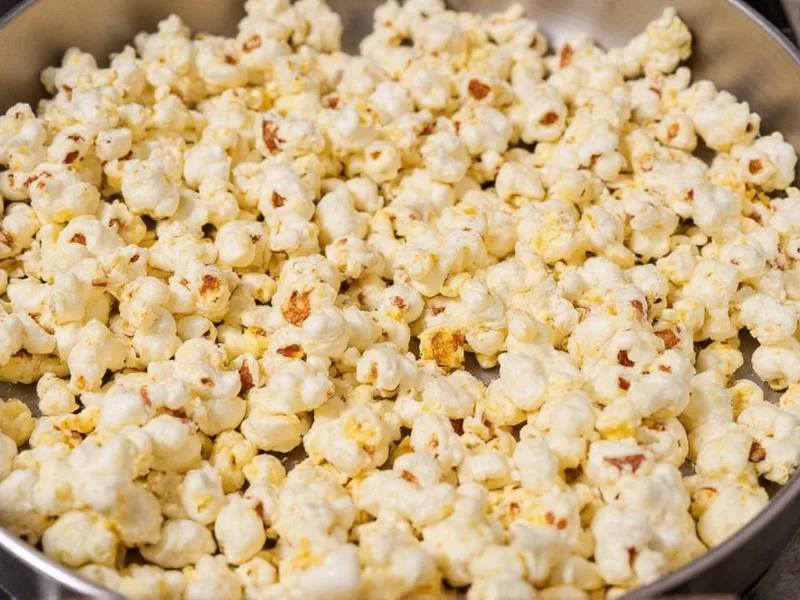
Creating exceptional homemade popcorn seasoning is simpler than most people realize. By combining basic spices and flavor enhancers from your pantry, you can produce gourmet-quality popcorn that rivals theater-style snacks without artificial ingredients or excessive sodium. The foundation of perfect popcorn seasoning starts with freshly popped kernels using the right oil-to-salt ratio, then building layers of flavor with complementary spices.
Why Make Your Own Popcorn Seasoning?
Commercial popcorn seasonings often contain preservatives, artificial flavors, and excessive sodium. When you make your own homemade popcorn seasoning from scratch, you control every ingredient. This approach offers significant advantages:
- Cost savings (up to 90% cheaper than store-bought options)
- Customizable flavor intensity and profiles
- Avoidance of MSG and artificial additives
- Freshness that surpasses pre-packaged alternatives
- Dietary customization for special needs
Essential Tools and Ingredients
Before creating your easy homemade popcorn seasoning recipes, gather these kitchen essentials:
- Fine-mesh sieve or shaker bottle (for even distribution)
- Air popper or heavy-bottomed pot with lid
- Unrefined coconut oil or avocado oil (for popping)
- Fine sea salt (coarse salt won't adhere properly)
- Dry spices in powder form (clumps won't stick to popcorn)
Basic Seasoning Formulas
These DIY popcorn flavoring ideas use precise ratios for optimal flavor without overpowering your popcorn. The magic happens when you combine fat (from popping oil), salt, and spices in the right proportions.
| Flavor Profile | Per 10 Cups Popcorn | Key Technique |
|---|---|---|
| Classic Theater Butter | 2 tsp nutritional yeast, 1 tsp salt, 1/2 tsp onion powder, 1/4 tsp turmeric | Mist popcorn lightly with melted coconut oil before applying |
| Spicy Chili Lime | 1.5 tsp chili powder, 1 tsp lime zest, 3/4 tsp cumin, 1/2 tsp cayenne | Add lime juice mist AFTER dry spices to prevent clumping |
| Garlic Parmesan | 2 tbsp nutritional yeast, 1 tsp garlic powder, 1/2 tsp dried parsley | Apply immediately after popping while kernels are slightly damp |
Advanced Flavor Development Techniques
Professional popcorn makers use specific methods to maximize flavor adherence and complexity. For superior gourmet popcorn seasoning recipes, implement these chef-approved techniques:
The Layering Method
Apply flavors in stages: first a light oil mist (1-2 tsp per 10 cups), then salt, followed by dry spices. This creates better adhesion than mixing everything together. The oil acts as a binding agent while the salt helps other spices stick to the popcorn surface.
Flavor Activation
Toast dry spices in a dry pan over low heat for 60-90 seconds before use. This homemade popcorn seasoning without MSG technique releases essential oils and intensifies flavors without adding calories. Let spices cool completely before applying to prevent melting.
Storage and Freshness Tips
Pre-mixed seasoning blends lose potency quickly. For the best spices for popcorn seasoning, follow these storage guidelines:
- Mix seasonings in small batches (enough for 2-3 uses)
- Store in airtight containers away from light and heat
- Discard blends after 4-6 weeks for optimal flavor
- Label containers with creation date and ingredients
Creative Flavor Combinations
Move beyond basic salted popcorn with these custom popcorn seasoning blends that cater to various taste preferences:
Umami Bomb Blend
Mix 1 tbsp nutritional yeast, 1 tsp onion powder, 1/2 tsp mushroom powder, and 1/4 tsp white miso powder. Perfect for savory lovers seeking healthy homemade popcorn seasoning with deep flavor complexity.
Taco Fiesta Seasoning
Combine 1.5 tsp chili powder, 1 tsp cumin, 1/2 tsp smoked paprika, and 1/4 tsp oregano. Add a squeeze of fresh lime after seasoning for authentic street-taco flavor without the calories.
Sweet Cinnamon Crunch
Whisk 2 tsp cinnamon with 1 tsp powdered sugar and 1/4 tsp cardamom. For sugar-free version, use monk fruit sweetener. Apply after misting popcorn with coconut oil for restaurant-style caramel corn effect.
Troubleshooting Common Issues
Even experienced makers encounter problems with their homemade popcorn seasoning recipes. Here's how to solve frequent challenges:
- Seasoning won't stick: Popcorn needs slight moisture. Mist with oil spray before seasoning or pop with 1 tsp extra oil.
- Flavor too weak: Increase salt content first (salt enhances other flavors), then adjust spices incrementally.
- Clumping spices: Ensure popcorn is completely dry before applying. Use ultra-fine spice powders or grind spices further.
- Bitter aftertaste: Reduce paprika or cumin quantities. Toast spices briefly to mellow harsh notes.
Frequently Asked Questions
What's the secret to making popcorn seasoning stick better?
The key is moisture control. Popcorn needs slight dampness for seasoning adherence. Mist freshly popped corn with 1-2 tsp melted coconut oil or cooking spray before applying dry seasonings. Alternatively, add 1 tsp extra oil when popping kernels. Never apply dry spices to completely dry popcorn - they'll just fall off.
Can I make homemade popcorn seasoning without salt?
Yes, though salt serves important functions beyond flavor. It enhances other tastes and helps seasonings adhere to popcorn. For salt-free versions, increase umami ingredients like nutritional yeast or mushroom powder. Use a light oil mist as binding agent, and consider adding a pinch of potassium chloride for similar mouthfeel without sodium.
How long does homemade popcorn seasoning last?
Pre-mixed dry seasoning blends maintain peak flavor for 4-6 weeks when stored in airtight containers away from light and heat. Individual spices last longer (6-12 months), but blended seasonings lose complexity faster. For best results, mix small batches and label with creation date. Discard if you notice faded color, weak aroma, or clumping.
What's the best oil for popping popcorn when using homemade seasoning?
Unrefined coconut oil provides the classic theater popcorn flavor and optimal temperature stability. Avocado oil works well for neutral flavor with high smoke point. Avoid olive oil (low smoke point) and butter (burns easily). Use 2-3 tablespoons oil per 1/2 cup kernels for proper popping and seasoning adherence.
Can I make sweet and savory seasonings in the same batch?
It's not recommended as sugar can cause burning when combined with dry spices during toasting. Prepare sweet and savory blends separately. If making both for the same event, pop separate batches - sweet seasonings work best applied after a light oil mist, while savory blends adhere better when salt is applied first to slightly damp popcorn.




 浙公网安备
33010002000092号
浙公网安备
33010002000092号 浙B2-20120091-4