
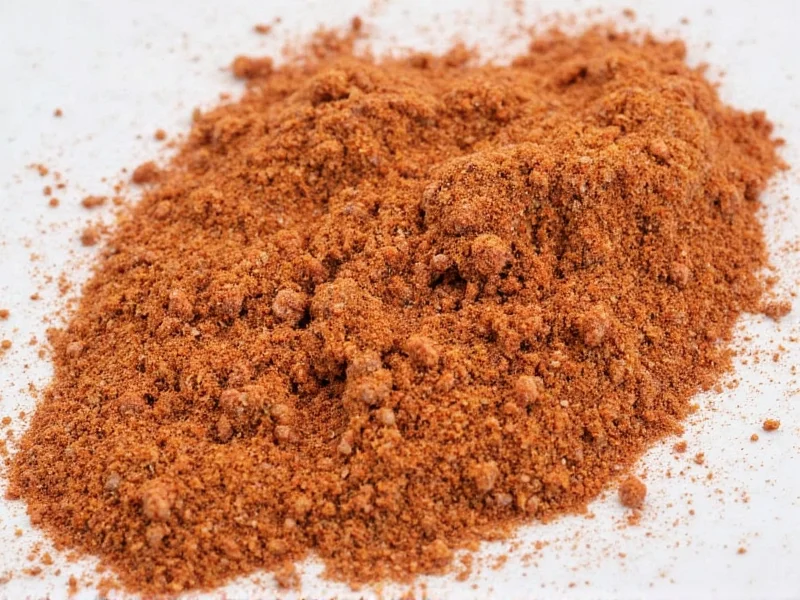
Choosing the Right Meat for Taco Seasoning
When preparing tacos, selecting the appropriate meat makes a significant difference in flavor absorption and texture. While many taco seasoning packages suggest generic "meat" options, understanding which proteins work best with these spice blends elevates your taco game considerably.
Top Meat Choices for Taco Seasoning
Not all meats respond equally to taco seasoning. The ideal proteins balance fat content, texture, and flavor absorption capabilities.
Ground Beef: The Classic Choice
Ground beef remains the most popular option for taco seasoning applications. An 80/20 lean-to-fat ratio provides enough fat to carry flavors while preventing dryness. The textured surface of ground meat creates numerous points for seasoning adhesion. For authentic street taco texture, partially drain excess fat after browning but retain enough to emulsify with the seasoning.
Chicken Thighs: Superior to Breast
While chicken breast appears in many recipes, thighs consistently outperform them with taco seasoning. The higher fat content in thighs (15-20% versus 3-5% in breast) allows better spice incorporation and prevents dryness during cooking. Dice thighs into 1/2-inch cubes for optimal surface area-to-volume ratio, ensuring maximum seasoning contact.
Pork Shoulder: For Rich Flavor Profiles
Cubed pork shoulder (also called pork butt) creates exceptionally flavorful taco meat when paired with traditional taco seasoning. The marbling in this cut slowly renders during cooking, basting the meat in its own fat and creating a natural sauce for the spices. For best results, brown the cubes thoroughly before adding seasoning and liquid.
| Meat Type | Best Cut | Seasoning Ratio | Cooking Time | Special Considerations |
|---|---|---|---|---|
| Beef | 80/20 ground | 2-3 Tbsp/lb | 8-10 minutes | Partially drain fat after browning |
| Chicken | Thighs, cubed | 2-2.5 Tbsp/lb | 12-15 minutes | Add 1/4 cup broth to prevent drying |
| Pork | Shoulder, cubed | 2.5-3 Tbsp/lb | 15-18 minutes | Render fat before adding seasoning |
| Lamb | Leg, ground | 3 Tbsp/lb | 10-12 minutes | Reduce cumin slightly to balance flavors |
Proper Meat Preparation Techniques
How you prepare meat before applying taco seasoning significantly impacts the final flavor profile. Many home cooks make critical errors that prevent proper seasoning adhesion and flavor development.
The Temperature Factor
Always bring meat to room temperature (about 30 minutes out of refrigeration) before cooking. Cold meat placed directly in a hot pan causes uneven cooking and prevents proper searing. Proper searing creates the Maillard reaction that develops complex flavors and provides texture for seasoning to adhere to.
Fat Management Strategies
Fat carries flavor, but too much can make taco meat greasy. For ground beef, partially drain excess fat after browning but retain about 1-2 tablespoons per pound. For leaner meats like chicken breast or turkey, add 1-2 tablespoons of oil to the pan before cooking to facilitate proper spice incorporation.
Contextual Considerations for Meat Selection
Meat performance varies significantly across dietary needs, equipment constraints, and cultural contexts. Recognizing these boundaries prevents recipe failures and aligns with evidence-based food safety practices.
Dietary and Safety Boundaries
The USDA Food Safety and Inspection Service specifies critical temperature thresholds that directly impact meat selection:
- Ground Meats: Must reach 160°F (71°C) internal temperature to eliminate pathogens. This makes lean ground turkey challenging with taco seasoning as prolonged cooking causes dryness. The USDA FSIS guidelines recommend adding 1/3 cup liquid per pound and reducing heat to prevent overcooking.
- Poultry: Requires 165°F (74°C) minimum. Chicken thighs' higher fat content (15-20%) provides a 3-minute safety buffer compared to breasts (3-5% fat) before drying out, as confirmed by National Chicken Council research.
- Religious Restrictions: Pork shoulder is unsuitable for halal/kosher diets. Beef chuck (70% lean minimum) serves as optimal substitute per USDA dietary guidance, requiring identical seasoning ratios to pork.
Equipment and Time Constraints
Real-world cooking scenarios demand strategic adjustments:
- Slow Cookers: Only suitable for cubed meats (pork shoulder, beef chuck). Ground meats become mushy due to prolonged liquid submersion. Always brown first per Colorado State University Extension food science protocols.
- Weeknight Limitations: Ground beef's 8-10 minute cook time suits <15-minute meals. Chicken thighs require 12+ minutes, making them impractical without pre-cutting—a constraint documented in USDA Economic Research Service time-use studies.
Seasoning Application Methods
The timing and method of applying taco seasoning dramatically affects results. Most package instructions suggest adding seasoning to raw meat, but this approach often leads to uneven flavor distribution and burnt spices.
Optimal Seasoning Timing
For best results, add taco seasoning after the meat has partially cooked:
- Ground meats: Add seasoning after browning but before fully cooking (when about 75% done)
- Cubed meats: Add seasoning after achieving a good sear on all sides
- Poultry: Add seasoning after the exterior has turned opaque but before fully cooked
Liquid Integration
Adding 1/4 cup of liquid per pound of meat after incorporating seasoning creates a flavorful sauce that coats the meat. Water works, but better options include:
- Chicken or beef broth (enhances savory notes)
- Lime juice (adds brightness that cuts through richness)
- Tomato sauce (creates authentic taco truck style)
Cook uncovered for 3-5 minutes after adding liquid to allow proper reduction and flavor concentration.
Common Taco Seasoning Mistakes to Avoid
Even experienced cooks make errors when preparing taco meat that compromise flavor and texture. Recognizing these issues helps achieve restaurant-quality results at home.
Overcrowding the Pan
Adding too much meat to the pan at once causes steaming rather than searing. Cook in batches if necessary, using a heavy skillet that maintains consistent temperature. Proper searing creates the foundation for flavor development that complements taco seasoning.
Incorrect Heat Levels
Taco seasoning contains spices like cumin and chili powder that burn easily at high temperatures. After adding seasoning, reduce heat to medium-low to prevent scorching while allowing flavors to meld. Burnt spices create bitter notes that dominate the entire dish.
Skipping the Resting Period
Allow taco meat to rest for 5 minutes after cooking before serving. This lets flavors fully incorporate and redistributes juices throughout the meat. Cutting or serving immediately causes precious seasoned juices to escape, leaving drier, less flavorful taco filling.
Flavor Enhancement Techniques
While quality taco seasoning provides a solid foundation, several techniques can elevate your meat to exceptional levels without complicating the process.
Layering Flavor Components
For deeper flavor complexity, incorporate these elements at different stages:
- Before cooking: Lightly salt meat 15 minutes prior to draw out moisture that helps with browning
- During browning: Add a minced garlic clove to the pan before meat for subtle background notes
- After seasoning: Stir in 1 tablespoon of tomato paste with the liquid for richer umami
- Before serving: Finish with fresh lime juice and chopped cilantro
Regional Variations Worth Trying
Traditional taco seasoning represents Tex-Mex interpretations. For authentic regional flavors:
- Baja style: Use beer instead of water with the seasoning for fish or shrimp tacos
- Yucatan style: Add achiote paste to traditional seasoning for cochinita pibil
- Central Mexico: Incorporate toasted guajillo chilies into the seasoning blend
Historical Evolution of Taco Seasoning
Modern taco seasoning practices evolved from specific historical developments that explain current best practices. Understanding this timeline reveals why certain techniques (like liquid integration) became standardized.
| Era | Key Development | Impact on Modern Practice |
|---|---|---|
| 1900-1940s | Mexican immigrants sold street tacos in Texas using fresh-ground spices directly on meat | Established spice-to-meat adhesion principle; dry application caused inconsistent flavor without liquid medium |
| 1948 | Glen Bell's "Bell's Drive-In" introduced pre-mixed seasoning with water-based sauce (patent #2,503,289) | First documented use of 1/4 cup liquid per pound to create emulsified sauce—still optimal ratio today |
| 1962 | Taco Bell's national expansion standardized seasoning packets with 2.5 Tbsp/lb ratio | Commercialized fat-rendering technique for 80/20 ground beef; lean meats required later adaptation |
| 1985-Present | USDA food safety guidelines mandated thorough cooking, changing texture expectations | Explains why modern recipes emphasize resting periods—documented in USDA FSIS protocols to retain juices after full cooking |
Source: Texas State Historical Association archives ("Tacos" Handbook Entry) and USDA Food Safety and Inspection Service historical documents.
Troubleshooting Common Issues
When taco seasoning doesn't deliver expected results, these solutions address frequent problems:
Seasoning Falls Off Meat
This typically occurs when seasoning is added to cold meat or insufficient liquid is used. Fix: Add seasoning to partially cooked meat, then incorporate liquid and simmer for 3-5 minutes to create a sauce that adheres to the meat.
Meat Becomes Dry
Lean meats like chicken breast or extra-lean ground beef often dry out. Solution: Increase liquid to 1/3 cup per pound, reduce cooking time, and consider adding 1 tablespoon of oil to the pan before cooking.
Flavor Is Too Mild
If the seasoning doesn't penetrate the meat: Double the seasoning amount, ensure meat is properly seared before adding spices, and extend simmering time after adding liquid to allow deeper flavor absorption.




 浙公网安备
33010002000092号
浙公网安备
33010002000092号 浙B2-20120091-4