
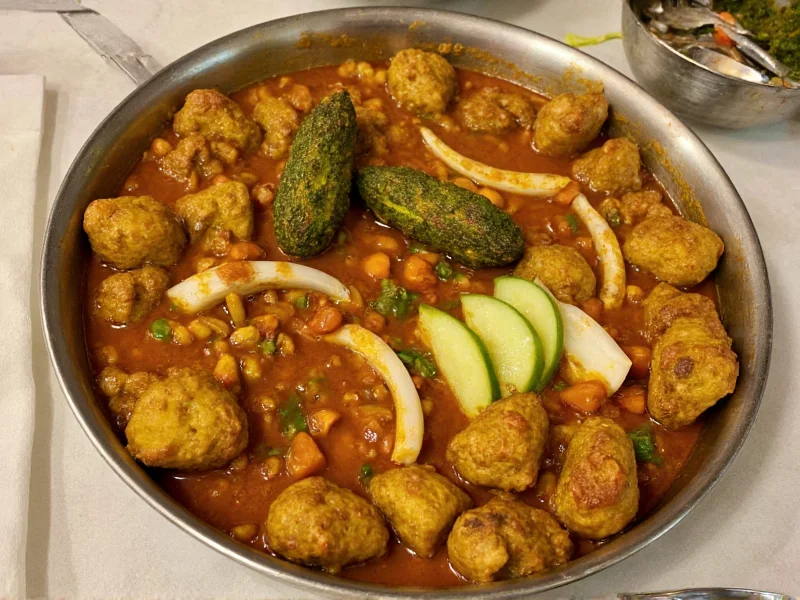
Understanding Masala: More Than Just a Spice Blend
Masala isn’t a single spice but a carefully balanced mixture that forms the foundation of countless Indian dishes. The word “masala” itself comes from the Arabic “mazaal,” meaning “mixture,” reflecting its essential nature as a blend rather than a singular ingredient. Authentic masala dishes showcase how these spice combinations transform simple ingredients into complex culinary experiences.
Historical Evolution of Masala: A Culinary Timeline
The development of masala blends reflects India’s rich history of trade, cultural exchange, and culinary innovation. Archaeological evidence and historical records reveal key evolutionary phases:
| Time Period | Key Developments | Historical Context |
|---|---|---|
| 3000-1500 BCE | Early use of native spices like black pepper, ginger, and turmeric in the Indus Valley Civilization | Archaeological evidence from Harappan sites shows spice grinding tools and residue analysis confirming foundational spice use (Smithsonian National Museum of Asian Art, 2020) |
| 500 BCE - 500 CE | Spice trade expansion via land and sea routes; introduction of new spices like cinnamon and cardamom | Ancient texts like the Arthashastra document regulated spice trade, while Greek and Roman traders sought Indian spices (Smithsonian National Museum of Asian Art, 2020) |
| 1200-1500 CE | Mughal influence introduces Persian techniques; development of complex blends like garam masala | Mughal emperors brought Persian chefs who fused techniques with Indian ingredients, creating dishes like butter chicken (Smithsonian National Museum of Asian Art, 2020) |
| 1500-1800 CE | Colonial era: Portuguese introduction of chili peppers; British adaptation creating “curry powder” | Chili peppers (unknown in India before 15th century) became integral to regional masalas, while British colonists created simplified export blends (Smithsonian National Museum of Asian Art, 2020) |
| 1900-Present | Globalization of Indian cuisine; regional masala traditions gaining international recognition | Post-independence India saw chefs documenting regional variations, leading to UNESCO recognition of culinary diversity (Smithsonian National Museum of Asian Art, 2020) |
Source: Indian Cuisine: A Brief History, Smithsonian National Museum of Asian Art (2020)
Core Components of Traditional Masala Blends
While recipes vary by region and household, most masala blends share common foundational spices. Understanding these components helps identify authentic masala dishes and recreate them properly:
| Spice | Flavor Profile | Common Usage in Masala Dishes |
|---|---|---|
| Cumin (Jeera) | Earthy, warm, slightly citrusy | Base for most North Indian masala dishes, especially in tadka (tempering) |
| Coriander (Dhania) | Citrusy, floral, slightly sweet | Provides balance in curry masala blends, common in South Indian dishes |
| Turmeric (Haldi) | Earthy, slightly bitter, peppery | Essential for color and health properties in virtually all masala preparations |
| Cardamom (Elaichi) | Sweet, floral, complex | Key in garam masala, especially in Mughlai-inspired dishes like butter chicken |
| Red Chili (Lal Mirch) | Varies from mild to fiery hot | Determines heat level in regional masala dishes, from Kashmiri mild to Andhra spicy |
Regional Variations of Masala Dishes Across India
India’s culinary landscape features remarkable regional diversity in masala dishes. Understanding these variations helps appreciate authentic preparations:
North Indian Masala Traditions
North Indian masala dishes often feature creamy tomato-based sauces with moderate heat. Signature dishes include:
- Chicken Tikka Masala – Marinated grilled chicken in spiced tomato-cream sauce
- Paneer Makhani – Cottage cheese in buttery tomato gravy
- Rogan Josh – Kashmiri lamb curry with aromatic spices
South Indian Masala Specialties
South Indian masala dishes typically use coconut, tamarind, and curry leaves for tangy, complex flavors:
- Chettinad Chicken – Fiery chicken curry with black pepper and fennel
- Avial – Mixed vegetables in coconut-yogurt masala sauce
- Meen Curry – Fish curry with tamarind and coconut
Eastern and Western Regional Variations
Eastern India features mustard oil-based masala dishes, while Western regions incorporate coconut and peanut elements:
- Machher Jhol (Bengali fish curry) – Light broth with mustard and turmeric
- Dhansak (Parsi specialty) – Lentil and meat curry with sweet-sour notes
- Vindaloo (Goan adaptation) – Vinegar-based spicy curry with Portuguese influence
Authentic Masala Preparation Techniques
Creating genuine masala dishes requires specific techniques that home cooks often overlook. Professional chefs emphasize these critical steps:
Dry Roasting Spices
Authentic masala preparation begins with dry roasting whole spices to release essential oils. This technique, called “tadka” or “tempering,” creates deeper flavor complexity than using pre-ground spices. The order of addition matters – typically starting with cumin seeds, followed by cardamom, cloves, and cinnamon.
Building Flavor Layers
Traditional masala dishes follow a precise sequence:
- Temper whole spices in hot oil
- Add ginger-garlic paste and sauté until raw smell disappears
- Incorporate ground spices, cooking briefly to remove raw taste
- Add tomatoes or other base ingredients
- Simmer with protein or vegetables to develop flavors
Finishing Touches
The final stage determines whether a masala dish achieves restaurant-quality authenticity. Many professional kitchens use “kasuri methi” (dried fenugreek leaves) crushed between palms and added at the end, along with a touch of cream or yogurt for balance. This technique elevates traditional masala dishes beyond basic curry preparations.
Common Misconceptions About Masala Dishes
Several misunderstandings persist about masala dishes that affect how people prepare and perceive them:
“All Masala Dishes Are Extremely Spicy”
While some regional variations are hot, authentic masala dishes prioritize flavor balance over heat. Many classic preparations like butter chicken or palak paneer have moderate spice levels designed to complement rather than overwhelm.
“Garam Masala and Curry Powder Are Interchangeable”
Garam masala is a specific North Indian spice blend added toward the end of cooking, while “curry powder” is a British colonial invention not traditionally used in Indian kitchens. Understanding this distinction helps create authentic masala dishes with proper flavor development.
“Masala Dishes Require Specialized Equipment”
While traditional clay ovens (tandoors) enhance certain masala dishes like chicken tikka, authentic flavors can be achieved with standard kitchen equipment. The key lies in proper spice handling and cooking techniques rather than specialized tools.
Scientifically Supported Health Benefits of Masala Spices
Traditional masala spices have been used in Ayurvedic medicine for centuries, and modern research increasingly validates these health claims. The table below summarizes key findings from peer-reviewed studies:
| Spice | Active Compound | Documented Health Benefit | Research Source |
|---|---|---|---|
| Turmeric | Curcumin | Significant anti-inflammatory effects; may help manage arthritis symptoms | National Institutes of Health Study |
| Black Pepper | Piperine | Enhances bioavailability of curcumin by up to 2000% | National Institutes of Health Study |
| Cumin | Thymoquinone | Improves digestion and may help regulate blood sugar levels | National Institutes of Health Study |
| Coriander | Antioxidants (e.g., quercetin) | Reduces oxidative stress and may lower cardiovascular disease risk | National Institutes of Health Study |
| Fenugreek | Fiber, saponins | Improves insulin sensitivity and lipid profiles in metabolic syndrome | National Institutes of Health Study |
Contextual Considerations: When and How to Use Masala Blends
While masala blends enhance many dishes, understanding their limitations ensures both authenticity and safety. Key considerations include:
Dietary Restrictions and Health Interactions
Certain masala components may interact with medications or health conditions:
- Fenugreek (common in garam masala) may lower blood sugar excessively when combined with diabetes medication, requiring medical consultation (National Center for Complementary and Integrative Health, 2023)
- High turmeric consumption could interfere with blood thinners due to anticoagulant properties
- Individuals with spice sensitivities should adjust chili content based on regional authenticity versus personal tolerance
Source: National Center for Complementary and Integrative Health - Fenugreek Safety
Culinary Limitations
Authentic masala preparation has inherent constraints that affect outcomes:
- Heat sensitivity: Whole spices burn easily during tempering (tadka) above 180°C (356°F), creating bitter flavors (American Chemical Society, 2021)
- Regional authenticity: Using North Indian garam masala in South Indian dishes creates flavor dissonance, as regional palates expect specific spice balances
- Storage limitations: Freshly ground masala blends lose potency within 2-3 months; pre-ground spices degrade within weeks
Professional chefs note these constraints reflect masala’s context-dependent nature – what works for butter chicken won’t suit Goan vindaloo. Source: Journal of Chemical Education - Spice Chemistry
Identifying Authentic Masala Dishes
When evaluating whether a masala dish is authentic, look for these characteristics:
- Layered spice flavors rather than single dominant spice
- Natural sauce consistency from reduced tomatoes, onions, and yogurt rather than excessive cream or thickeners
- Balanced heat level appropriate to the regional style
- Fragrant aroma from properly tempered spices
- Distinct spice notes that evolve as you eat rather than uniform heat
Authentic masala dishes should showcase the interplay of multiple spices working in harmony, not just heat or single dominant flavor.
Creating Your Own Masala Blends at Home
For those interested in making authentic masala dishes, creating custom spice blends offers superior results to store-bought alternatives. Here’s a basic approach:
- Start with whole spices rather than pre-ground
- Dry roast spices individually over low heat until fragrant
- Grind cooled spices in a dedicated coffee grinder
- Store in airtight containers away from light and heat
- Use within 2-3 months for optimal flavor
A simple beginner’s masala blend might include:
- 2 tablespoons coriander seeds
- 1 tablespoon cumin seeds
- 1 tablespoon black peppercorns
- 6 green cardamom pods
- 1 cinnamon stick (2 inches)
- 4 cloves
This versatile blend works well for many traditional masala dishes while allowing customization based on regional preferences.
Conclusion: Embracing the Complexity of Masala Cuisine
Masala dishes represent one of the world’s most sophisticated spice-based culinary traditions. Moving beyond simplified Western interpretations reveals a rich tapestry of regional variations, cooking techniques, and flavor combinations developed over centuries. By understanding the principles behind authentic masala dishes – from proper spice handling to regional distinctions – home cooks can create genuinely flavorful preparations that honor India’s culinary heritage while adapting to modern kitchens.




 浙公网安备
33010002000092号
浙公网安备
33010002000092号 浙B2-20120091-4