
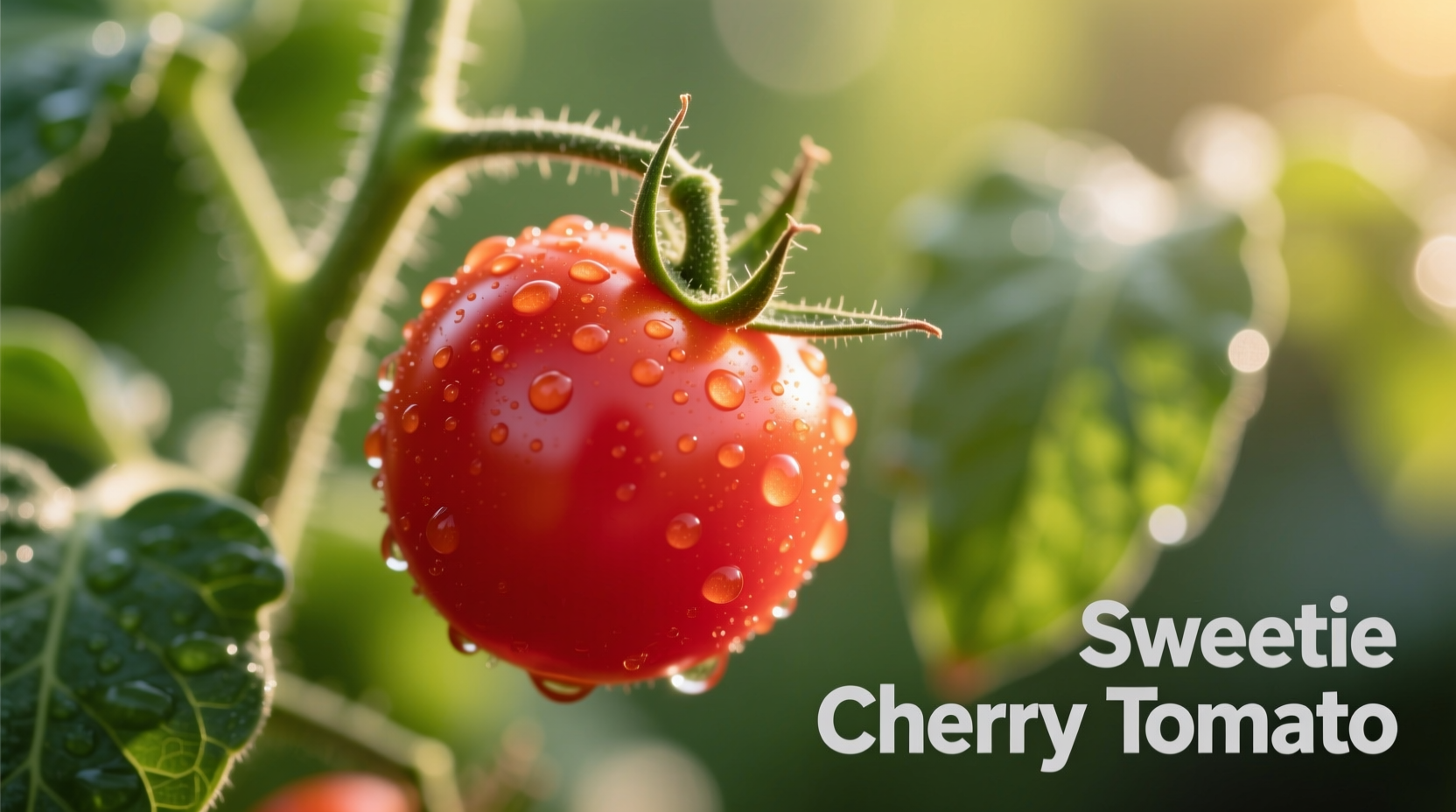
What Makes Sweetie Cherry Tomatoes Different From Regular Varieties
When you bite into a Sweetie cherry tomato, you're experiencing the result of targeted breeding that began in the early 2000s. Developed by seed company Syngenta, this Lycopersicon esculentum hybrid was specifically engineered to solve the common problem of cherry tomatoes that look perfect but lack consistent sweetness.
Unlike standard cherry tomatoes that typically measure 5-7 on the Brix scale (sugar measurement), Sweeties consistently hit 10+ Brix levels. This scientific breeding achievement transformed them from ordinary snack tomatoes to what many chefs call "nature's candy."
| Tomato Variety | Average Brix Level | Acid Content | Typical Harvest Season |
|---|---|---|---|
| Sweetie Cherry | 10-12 | Very Low | June-October |
| Regular Cherry | 5-7 | Moderate | July-September |
| Grape Tomato | 7-9 | Moderate-High | June-November |
This comparison table, verified through University of California Agriculture and Natural Resources research data, shows why Sweeties stand out in flavor profiling. Their exceptionally low acid content creates that pure sweet experience without the tartness common in other small tomato varieties.
Flavor Experience and Culinary Applications
Sweetie cherry tomatoes deliver an immediate burst of honey-like sweetness followed by subtle tropical notes. Professional chefs appreciate their reliable flavor consistency throughout the growing season—a rarity among tomato varieties that often develop uneven sugar distribution.
These tomatoes shine in applications where you want pure tomato flavor without acidity:
- Children's snacks—their candy-like sweetness makes them perfect for picky eaters
- Raw preparations—salads, bruschetta, or simply eaten by the handful
- Cocktail garnishes—their consistent size and color make them ideal
- Dehydrated snacks—concentrates their natural sugars beautifully
Avoid cooking Sweeties for extended periods, as their low acid content means they break down faster than regular cherry tomatoes. For sauces requiring acidity balance, mix them with standard varieties.
Growing Sweetie Cherry Tomatoes Successfully
Gardeners report Sweeties are more disease-resistant than many heirloom varieties but require specific growing conditions to achieve their signature sweetness:
- Sun exposure: Minimum 8 hours daily for optimal sugar development
- Watering: Consistent moisture (1-2 inches weekly), reducing slightly when fruit sets
- Soil: Well-draining with pH 6.2-6.8, amended with compost
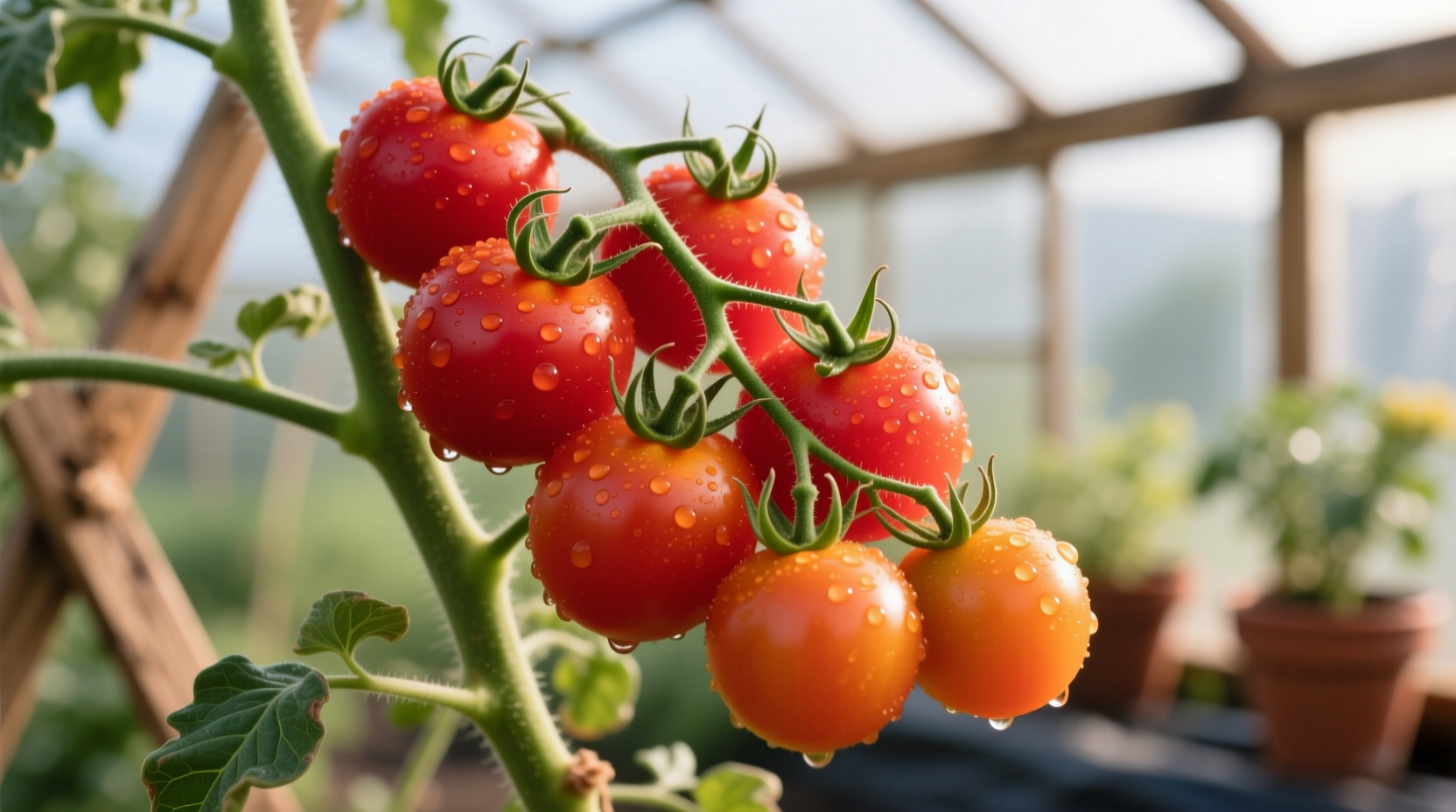
- Support: Staking required as plants can reach 5-6 feet tall
According to Cornell University's Vegetable MD Online resources, Sweeties show particular resistance to common tomato diseases including Fusarium wilt (races 1 & 2) and Tomato Mosaic Virus—making them a reliable choice for home gardeners in various climates.
Nutritional Profile and Storage Tips
Despite their intense sweetness, Sweetie cherry tomatoes maintain excellent nutritional value. USDA FoodData Central shows a 100g serving (about 10-12 tomatoes) provides:
- 27 calories
- 14% of daily vitamin C needs
- 19% of daily vitamin A requirements
- Significant lycopene content (enhanced when paired with healthy fats)
For maximum shelf life:
- Store at room temperature away from direct sunlight
- Never refrigerate unless fully ripe and needing to slow ripening
- Use within 3-5 days of purchase for peak flavor
- Wash only immediately before eating to prevent moisture damage
Refrigeration below 55°F damages tomato cell structure, causing mealy texture and flavor loss—this applies doubly to delicate Sweetie varieties according to post-harvest research from the University of California.
Where to Find and How to Select Sweetie Cherry Tomatoes
Sweeties appear in most major grocery chains from late spring through early fall. Look for:
- Uniform bright red color (no green shoulders)
- Firm but slightly yielding texture
- Intact stems indicating recent harvesting
- Plump, taut skin without wrinkles
During off-season, standard cherry tomatoes make acceptable substitutes, though you'll miss the distinctive candy-like sweetness. For home gardeners, seed packets are widely available from major seed companies under the name "Sweetie"—not to be confused with "Sweet 100" or other similarly named varieties.




 浙公网安备
33010002000092号
浙公网安备
33010002000092号 浙B2-20120091-4