
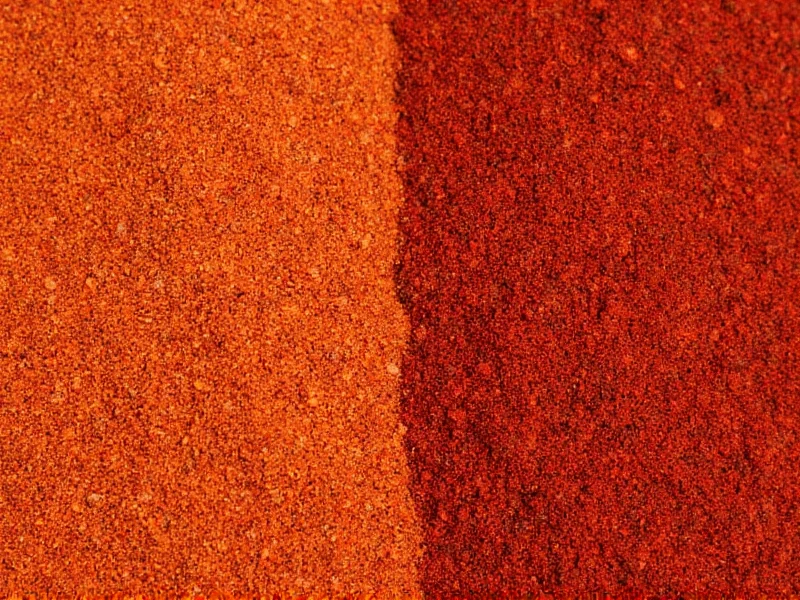
Understanding the distinction between sweet and smoked paprika is essential for home cooks and professional chefs alike. These two spice varieties, while visually similar, create dramatically different results in cooking. Choosing the wrong type can completely alter a dish's intended flavor profile. This comprehensive guide explores their origins, flavor characteristics, culinary applications, and how to use them effectively in your kitchen.
Origins and Production Methods
Sweet paprika primarily originates from Hungary, where it's made from air-dried sweet red peppers. The traditional Hungarian method involves carefully selecting specific pepper varieties, removing seeds and stems, then air-drying the peppers before grinding them into a fine powder. This process preserves the natural sweetness of the peppers without adding any smoky elements.
Smoked paprika, known as pimentón in Spain, comes mainly from Spain's La Vera region. The distinctive smokiness comes from a traditional smoking process where peppers are dried over oak wood fires for up to 15 days. This slow smoking technique infuses the peppers with complex wood notes before they're ground into powder. The smoking duration and wood type significantly impact the final flavor intensity.
The historical development of these methods spans centuries. Following Christopher Columbus's introduction of peppers to Europe in 1493, Hungarian cultivation began in the 16th century using air-drying techniques, while Spanish producers in La Vera developed wood-smoking methods by the late 1500s. The USDA Agricultural Research Service documents how these distinct processes crystallized by the 18th century, with Hungary establishing itself as the epicenter of sweet paprika production by 1800 (see detailed historical documentation).
| Characteristic | Sweet Paprika | Smoked Paprika |
|---|---|---|
| Primary Origin | Hungary | Spain (La Vera region) |
| Production Method | Air-dried peppers | Peppers smoked over wood fires |
| Flavor Profile | Mild, sweet, slightly fruity | Smoky, earthy, with varying heat levels |
| Heat Level | Mild (0-500 SHU) | Mild to hot (0-10,000 SHU depending on variety) |
| Color | Bright red | Deep brick red |
| Best Culinary Uses | Goulash, deviled eggs, potato salad | Paella, chorizo, roasted vegetables, barbecue |
Flavor Profiles Compared
Sweet paprika offers a clean, straightforward pepper flavor with natural sweetness and minimal heat. High-quality Hungarian sweet paprika has subtle berry-like notes and a vibrant color that enhances dishes visually without overwhelming other ingredients. It's the paprika variety most Americans recognize as the standard "paprika" found in grocery stores.
Smoked paprika delivers a complex flavor experience with three primary varieties:
- Dulce (sweet): Mild with pronounced smokiness
- Agridulce (bittersweet): Medium heat with complex smoke notes
- Picante (spicy): Significant heat combined with smokiness
The smoking process creates compounds similar to those found in liquid smoke, but with more nuanced wood notes depending on the specific production method. When comparing sweet paprika vs smoked paprika in blind taste tests, the smokiness of pimentón is immediately apparent, adding a dimension completely absent in sweet varieties.
Culinary Applications and Substitutions
Understanding when to use sweet paprika versus smoked paprika prevents recipe disasters. Sweet paprika shines in dishes where you want pepper flavor without smoke interference:
- Traditional Hungarian goulash
- Deviled eggs
- Potato salads
- Light-colored sauces where color matters
- As a garnish for visual appeal
Smoked paprika transforms dishes that benefit from wood-fired complexity:
- Spanish paella and other rice dishes
- Chorizo and other smoked sausages
- Barbecue rubs and marinades
- Roasted vegetables (especially potatoes and eggplant)
- Bean dishes like chili
When substitution becomes necessary, consider these guidelines for sweet paprika substitutes and smoked paprika alternatives:
- For sweet paprika: Use mild chili powder (½ amount) plus a pinch of cayenne, or omit if smoke would ruin the dish
- For smoked paprika: Use regular paprika plus ⅛ teaspoon liquid smoke per teaspoon of paprika, or try chipotle powder for heat with smoke
Never substitute smoked paprika for sweet paprika in traditional Hungarian recipes—the smokiness fundamentally alters the intended flavor profile. Similarly, using sweet paprika in Spanish recipes misses the essential smoky component that defines many Iberian dishes.
Contextual Limitations and Best Practices
Understanding the boundaries of each paprika type ensures optimal results. Sweet paprika's mild flavor fades when subjected to prolonged high heat, making it unsuitable as the primary seasoning in long-cooked dishes like beef stew—reserve it for finishing or cold applications. Smoked paprika, while robust, develops bitter compounds when heated above 350°F (177°C) for more than 10 minutes; this is critical when using it in searing or grilling. The University of Florida's Institute of Food and Agricultural Sciences explicitly states that paprika should be avoided in home canning processes due to unpredictable color changes and flavor instability during thermal processing (source: UF/IFAS Extension HS-734). Additionally, regional variations matter: Hungarian sweet paprika contains 0.5-1% volatile oils versus Spanish smoked paprika's 1.5-2.5%, explaining why substitutions often fail in traditional recipes.
Storage and Quality Considerations
Both paprika varieties lose potency quickly when exposed to air, light, and heat. Proper storage extends their shelf life and preserves flavor:
- Store in airtight containers away from light and heat sources
- Refrigeration extends shelf life to 1-2 years (vs 6-12 months at room temperature)
- Buy from stores with high spice turnover to ensure freshness
- Check for vibrant color—dull paprika has lost flavor compounds
- Smell test: Fresh paprika should have a strong, clean aroma
When comparing sweet paprika brands versus smoked paprika brands, look for indicators of quality:
- Origin specificity (Hungarian for sweet, Spanish La Vera for smoked)
- Harvest year on packaging
- Deep, vibrant color without fillers
- Strong aroma when opened
Common Misconceptions
Several myths persist about these paprika varieties that confuse home cooks:
- Misconception: Smoked paprika is always hotter than sweet paprika
Reality: Heat level depends on pepper variety, not smoking. Dulce smoked paprika is milder than some sweet varieties. - Misconception: All paprika is interchangeable
Reality: The difference between sweet and smoked paprika is as significant as using lemon juice versus vinegar. - Misconception: Sweet paprika contains sugar
Reality: "Sweet" refers to the pepper variety, not added sugar. Both types contain negligible sugar.
Practical Usage Tips
Maximize the potential of each paprika type with these professional techniques:
- Add sweet paprika early in cooking to allow flavors to meld
- Stir smoked paprika into dishes at the end of cooking to preserve delicate smoke notes
- Bloom both varieties in oil before adding liquids to intensify flavor
- Combine sweet and smoked paprika in meat rubs for complex flavor layers
- Use smoked paprika in vegetarian dishes to mimic meaty, umami flavors
Frequently Asked Questions
Can I substitute smoked paprika for sweet paprika in recipes?
Only in recipes specifically designed for smokiness. Substituting smoked for sweet paprika dramatically alters flavor profiles. In Hungarian dishes, this substitution creates an inauthentic taste. For emergency substitutions, use half the amount of smoked paprika plus a pinch of sugar to counteract smoke intensity.
Does smoked paprika contain actual smoke?
Yes, authentic smoked paprika (pimentón) is made by smoking peppers over wood fires during the drying process. The smoke becomes infused into the peppers themselves, not added later as a liquid smoke flavoring. This traditional method creates complex flavor compounds that artificial smoke flavorings cannot replicate.
Why does my paprika taste bitter?
Bitter paprika usually indicates improper storage (exposure to heat/light) or excessive cooking time. Smoked paprika particularly develops bitter notes when heated too long. Always add paprika to dishes near the end of cooking, and store in a cool, dark place. Fresh paprika should have a clean, sweet aroma without any mustiness.
Is there a significant nutritional difference between sweet and smoked paprika?
Nutritionally, both varieties are nearly identical per teaspoon: approximately 6 calories, 1g fiber, and rich in vitamin A and antioxidants. The smoking process doesn't significantly alter nutritional content, though some heat-sensitive compounds may degrade slightly during smoking. Both offer similar health benefits associated with capsicum peppers.
How can I tell if my paprika has gone bad?
Expired paprika loses its vibrant color (becoming dull brownish-red), develops a musty smell instead of clean pepper aroma, and tastes flat or bitter. Properly stored, paprika maintains peak quality for 6-12 months. To test freshness, rub a small amount between your fingers—if the aroma is weak or musty, it's time to replace it.




 浙公网安备
33010002000092号
浙公网安备
33010002000092号 浙B2-20120091-4