
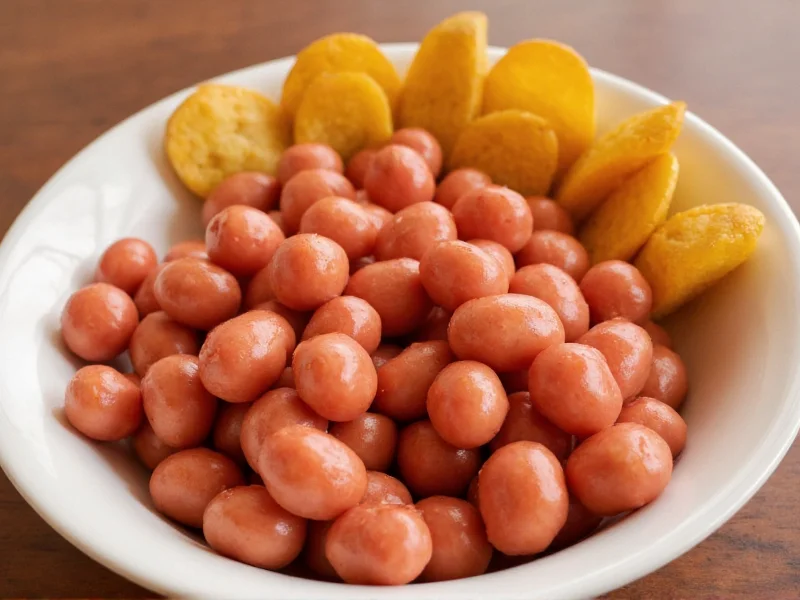
Sweet sausage represents one of the most versatile and widely enjoyed sausage varieties in culinary traditions worldwide. This distinctive sausage gets its characteristic flavor from a carefully balanced blend of sweet spices rather than heat-inducing ingredients. Understanding what makes sweet sausage unique helps home cooks and food enthusiasts incorporate it effectively into their cooking repertoire.
What Defines Sweet Sausage
The primary differentiator of sweet sausage lies in its seasoning profile. While traditional sausage recipes might include hot peppers or cayenne, sweet sausage relies on aromatic spices that create a warm, slightly sweet flavor without actual sugar dominance. The most essential ingredient in authentic sweet sausage is fennel seed, which provides that distinctive anise-like flavor profile that defines many sweet sausage varieties.
Quality sweet sausage maintains a specific meat-to-fat ratio, typically 70% lean meat to 30% fat, ensuring proper texture and moisture during cooking. The casing—whether natural hog casing or synthetic—also affects the final eating experience, with natural casings providing that desirable 'snap' when cooked properly.
Regional Varieties of Sweet Sausage
Sweet sausage manifests differently across culinary traditions, with each region developing its signature style. The most common varieties include:
| Variety | Origin | Key Characteristics | Best Cooking Methods |
|---|---|---|---|
| Sweet Italian Sausage | Italy/Italian-American | Fennel-forward, mild garlic, no heat | Grilling, pan-frying, in pasta sauces |
| Breakfast Sweet Sausage | United States | Maple or brown sugar notes, sage-heavy | Pan-frying, baking |
| Loukaniko | Greece | Lemon zest, orange peel, mild sweetness | Grilling, in stews |
| Teewurst | Germany | Smoked with subtle sweetness | Serving cold, sandwiches |
Key Ingredients That Create Sweet Sausage Flavor
The magic of sweet sausage happens through specific ingredient combinations that create complexity without heat. Understanding these components helps when selecting or making sweet sausage:
- Fennel seeds - The cornerstone ingredient providing that distinctive sweet-anise flavor
- Black pepper - Adds depth without heat, typically coarsely ground
- Garlic - Used moderately to complement rather than dominate
- Sweet paprika - Contributes color and subtle sweetness (not smoked paprika)
- Optional sweeteners - Small amounts of maple syrup, brown sugar, or honey in some regional varieties
- Wine or vinegar - In some recipes, adds balancing acidity
Contrary to common misconception, sugar rarely plays a dominant role in authentic sweet sausage recipes. The 'sweet' designation refers more to the absence of heat and the prominence of aromatic, sweet-spice flavors rather than actual sugar content.
Sweet Sausage vs. Spicy Sausage: Understanding the Differences
Many consumers confuse sweet sausage with 'mild' spicy sausage, but there are clear distinctions:
- Spice profile - Sweet sausage contains zero chili peppers or hot spices; spicy sausage always includes some form of heat
- Flavor balance - Sweet sausage emphasizes fennel and aromatic spices; spicy sausage balances heat with other flavors
- Culinary applications - Sweet sausage works well with delicate flavors like chicken or seafood; spicy sausage stands up to bold ingredients
- Regional naming - In some areas, 'sweet' specifically means 'not spicy' rather than actually sweet
Best Cooking Methods for Sweet Sausage
Sweet sausage's delicate flavor profile requires appropriate cooking techniques to preserve its nuanced taste:
- Pan-frying - The most versatile method; cook over medium heat until golden brown (160°F internal temperature)
- Grilling - Provides smoky notes; best with sweet Italian sausage for sandwiches
- Baking - Ideal for breakfast sausage links; 15-20 minutes at 375°F
- Simmering in sauces - Perfect for Italian sausage in tomato-based pasta sauces
- Air frying - Modern method that renders fat while maintaining crisp casing
When cooking sweet sausage, avoid high-heat methods that can cause the casing to burst and release too much fat, which diminishes flavor. Always prick casings with a fork before cooking to prevent bursting, and never boil sweet sausage as this leaches flavor.
Culinary Pairings and Recipe Ideas
Sweet sausage's balanced flavor makes it exceptionally versatile in the kitchen. Consider these pairings when planning meals featuring sweet sausage:
- Vegetable companions - Peppers, onions, broccoli rabe, and fennel bulb enhance sweet sausage's natural flavors
- Starch pairings - Polenta, pasta, or crusty bread provide ideal bases for sausage dishes
- Sauce recommendations - Tomato-based sauces, light cream sauces, or simple olive oil preparations
- Cheese pairings - Parmesan, pecorino, or mild provolone complement without overwhelming
For breakfast applications, sweet breakfast sausage pairs beautifully with maple syrup, apples, and sage-infused dishes. In Italian preparations, sweet sausage shines in pasta dishes like sausage and broccoli rabe or as a pizza topping with sweet peppers and onions.
Selecting and Storing Sweet Sausage
When purchasing sweet sausage, look for these quality indicators:
- Firm texture with no discoloration
- Clear ingredient list without fillers or artificial preservatives
- Natural casings for traditional texture
- Freshness date within 2-3 days for raw sausage
Store unopened sweet sausage in its original packaging in the coldest part of your refrigerator for up to 2 days past the sell-by date. Once opened, wrap tightly and use within 1-2 days. For longer storage, freeze sweet sausage in airtight packaging for up to 2 months, though flavor may diminish slightly after the first month.
Common Questions About Sweet Sausage
What makes sweet sausage different from regular sausage?
Sweet sausage differs from regular sausage primarily through its seasoning profile. While regular sausage may contain hot peppers or cayenne, sweet sausage relies on fennel seeds, black pepper, and sometimes sweet paprika without any heat-inducing ingredients. The 'sweet' refers to the flavor profile rather than sugar content.
Does sweet sausage actually contain sugar?
Most authentic sweet sausage recipes contain little to no added sugar. The 'sweet' designation refers to the absence of heat and the prominence of sweet-spice flavors from ingredients like fennel seeds. Some regional varieties, particularly breakfast sausages, may include small amounts of maple syrup or brown sugar.
Can I substitute sweet sausage for spicy sausage in recipes?
You can substitute sweet sausage for spicy sausage, but the flavor profile will change significantly. Sweet sausage works well in dishes where you want sausage flavor without heat, such as with delicate ingredients or for those who prefer milder flavors. For recipes specifically designed for spicy sausage, the substitution may result in a less complex flavor profile.
What's the best way to cook sweet Italian sausage?
The best way to cook sweet Italian sausage depends on your intended use. For sandwiches or standalone dishes, pan-fry over medium heat until golden brown (about 15-20 minutes). For pasta dishes, brown the sausage first, then simmer in tomato sauce for 10-15 minutes to infuse flavors. Always cook to an internal temperature of 160°F for food safety.
How long does sweet sausage last in the refrigerator?
Unopened sweet sausage typically remains fresh for 1-2 days past the sell-by date when stored properly in the refrigerator. Once opened, use within 1-2 days. Always store in the coldest part of your refrigerator and check for signs of spoilage like sour odor, slimy texture, or discoloration before using.




 浙公网安备
33010002000092号
浙公网安备
33010002000092号 浙B2-20120091-4