
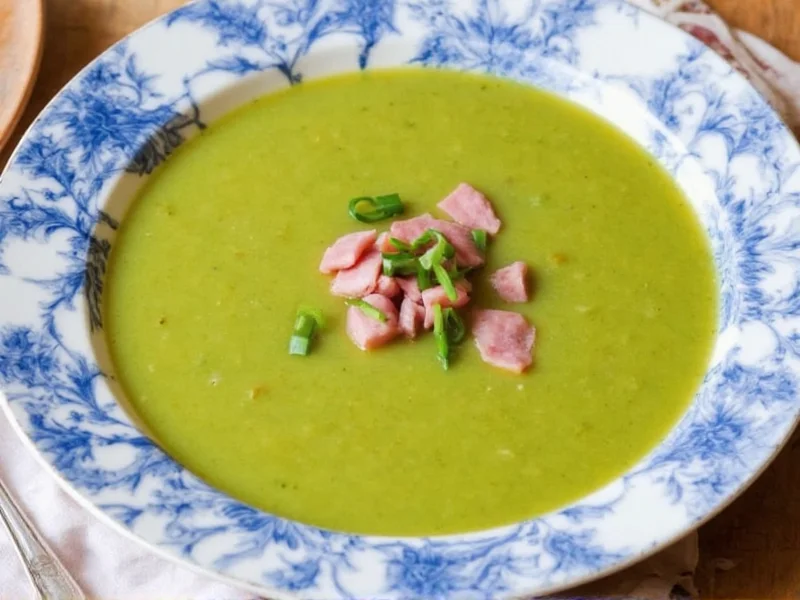
Nothing beats the comforting warmth of a perfectly crafted pea soup with ham recipe on a chilly day. This traditional dish has nourished families for generations across European and North American cultures, evolving from humble peasant food to a beloved comfort classic. While seemingly simple, mastering the ideal texture and depth of flavor requires understanding a few key techniques that separate good pea soup from truly exceptional pea soup.
The Secret to Perfect Pea Soup Texture
Many home cooks struggle with pea soup that's either too thin or unpleasantly gluey. The secret lies in the simmering process and ingredient ratios. Unlike many soups, split pea soup should be cooked uncovered to allow proper thickening as the peas break down naturally. Starting with cold liquid and maintaining a gentle simmer—not a rolling boil—prevents the peas from becoming mushy while still achieving that signature creamy texture.
Essential Ingredients Explained
Understanding each component's role transforms your easy pea soup with ham recipe from ordinary to extraordinary. Here's what you need to know:
| Ingredient | Why It Matters | Smart Substitutions |
|---|---|---|
| Dried green split peas | Naturally break down to create creamy texture without dairy | Yellow split peas (milder flavor) |
| Ham hock or smoked ham shank | Provides deep smoky flavor and gelatin for richness | Diced ham steak + 1 tsp liquid smoke |
| Mirepoix (onion, carrot, celery) | Creates flavor foundation; celery adds brightness | Parsnips for extra sweetness |
| Garlic and bay leaves | Essential aromatic elements | Thyme works well too |
| Low-sodium broth | Control salt levels since ham adds significant sodium | Water + extra seasoning |
Step-by-Step Cooking Process
Follow these professional techniques for the best homemade split pea soup with ham hock you've ever made:
- Prep ingredients: Rinse 1 pound dried split peas thoroughly. Chop 1 onion, 2 carrots, and 2 celery stalks into uniform 1/4-inch pieces. Mince 2 garlic cloves.
- Sauté aromatics: In a 5-6 quart pot, cook vegetables in 1 tablespoon olive oil over medium heat for 8-10 minutes until softened but not browned.
- Add peas and liquid: Stir in rinsed peas, 1 meaty ham hock (or 2 cups diced ham), 2 bay leaves, and 6 cups low-sodium broth or water. Liquid should cover ingredients by about 1 inch.
- Simmer gently: Bring to a boil, then reduce heat to maintain a bare simmer. Partially cover and cook for 60-90 minutes, stirring occasionally, until peas completely break down and soup thickens.
- Final seasoning: Remove ham hock, shred meat, and return to pot. Discard bone and fat. Season with black pepper and additional salt only if needed.
Avoiding Common Pea Soup Mistakes
Even experienced cooks make these errors with their creamy pea soup with leftover ham recipes:
- Adding salt too early: Ham releases salt as it cooks. Wait until the end to adjust seasoning.
- Boiling too vigorously: A rolling boil makes peas break down unevenly. Maintain just a gentle bubble.
- Using old split peas: Peas older than 1 year may never soften properly. Buy from stores with high turnover.
- Skipping the sauté step: Cooking vegetables first builds flavor complexity that boiling alone can't achieve.
- Overlooking acidity: A splash of apple cider vinegar at the end brightens flavors beautifully.
Perfect Pairings and Serving Suggestions
Elevate your traditional pea soup with ham recipe with these professional presentation tips:
- Drizzle with high-quality olive oil and sprinkle with fresh parsley just before serving
- Offer crusty bread or cornbread on the side for dipping
- Add a dollop of sour cream or crème fraîche for extra richness
- Serve with a simple green salad dressed with lemon vinaigrette to cut the richness
- For an elegant touch, garnish with crispy fried shallots
Storage and Reheating Tips
Pea soup actually improves in flavor after 24 hours as the ingredients meld. Store properly for maximum enjoyment:
- Cool completely before refrigerating in airtight containers
- Refrigerate for up to 5 days or freeze for up to 3 months
- When reheating, add broth or water as needed since the soup thickens significantly when chilled
- Stir in fresh herbs after reheating to revive flavor
Variations for Different Dietary Needs
Adapt this versatile traditional pea soup with ham and vegetables to suit various preferences:
- Vegetarian version: Omit ham and use smoked paprika with mushroom broth for depth
- Lower sodium option: Use low-sodium broth and reduce ham quantity by half
- Creamy version: Blend half the soup for extra creaminess without dairy
- Instant Pot method: Cook on high pressure for 15 minutes with natural release
- Smoky alternative: Add a small piece of dried chipotle pepper for complex heat
Nutritional Benefits
This hearty soup delivers impressive nutrition beyond its comforting flavor. A typical serving (1.5 cups) contains approximately:
- 320 calories
- 22g protein (excellent plant-based source)
- 15g fiber (nearly 60% of daily needs)
- Rich in iron, potassium, and B vitamins
- Naturally low in fat when made without excessive ham
Frequently Asked Questions
Can I make pea soup with leftover holiday ham?
Absolutely. Leftover holiday ham works perfectly in pea soup recipes. Use 2 cups diced ham plus 4-5 cups broth instead of a ham hock. Add an extra bay leaf and 1/2 teaspoon smoked paprika to compensate for the milder flavor of cooked ham compared to a smoked hock.
Why isn't my pea soup thickening properly?
Pea soup that won't thicken usually indicates old split peas or insufficient cooking time. Split peas should break down naturally during simmering. If your soup remains thin after 90 minutes, puree about one-third of the soup and return it to the pot. Avoid adding flour or cornstarch, which creates an unpleasant texture in pea soup.
How do I prevent pea soup from foaming and boiling over?
Pea soup tends to foam during cooking. To prevent boil-overs, start with cold liquid, maintain a gentle simmer (not a boil), and leave the pot partially uncovered. Skim off any excessive foam that forms during the first 15 minutes of cooking. Adding a small piece of butter to the surface can also reduce foaming.
Can I make this recipe in a slow cooker?
Yes, slow cooker pea soup works well. Sauté vegetables first, then transfer to slow cooker with all other ingredients. Cook on low for 6-8 hours or high for 3-4 hours. Check seasoning at the end since slow cooking concentrates flavors differently than stovetop methods.
What's the difference between split peas and regular peas?
Split peas are field peas that have been dried and split in half, which allows them to break down completely during cooking. Regular green peas (like frozen peas) remain intact when cooked and won't create the same creamy texture. You cannot substitute frozen or fresh peas in traditional split pea soup recipes.




 浙公网安备
33010002000092号
浙公网安备
33010002000092号 浙B2-20120091-4