
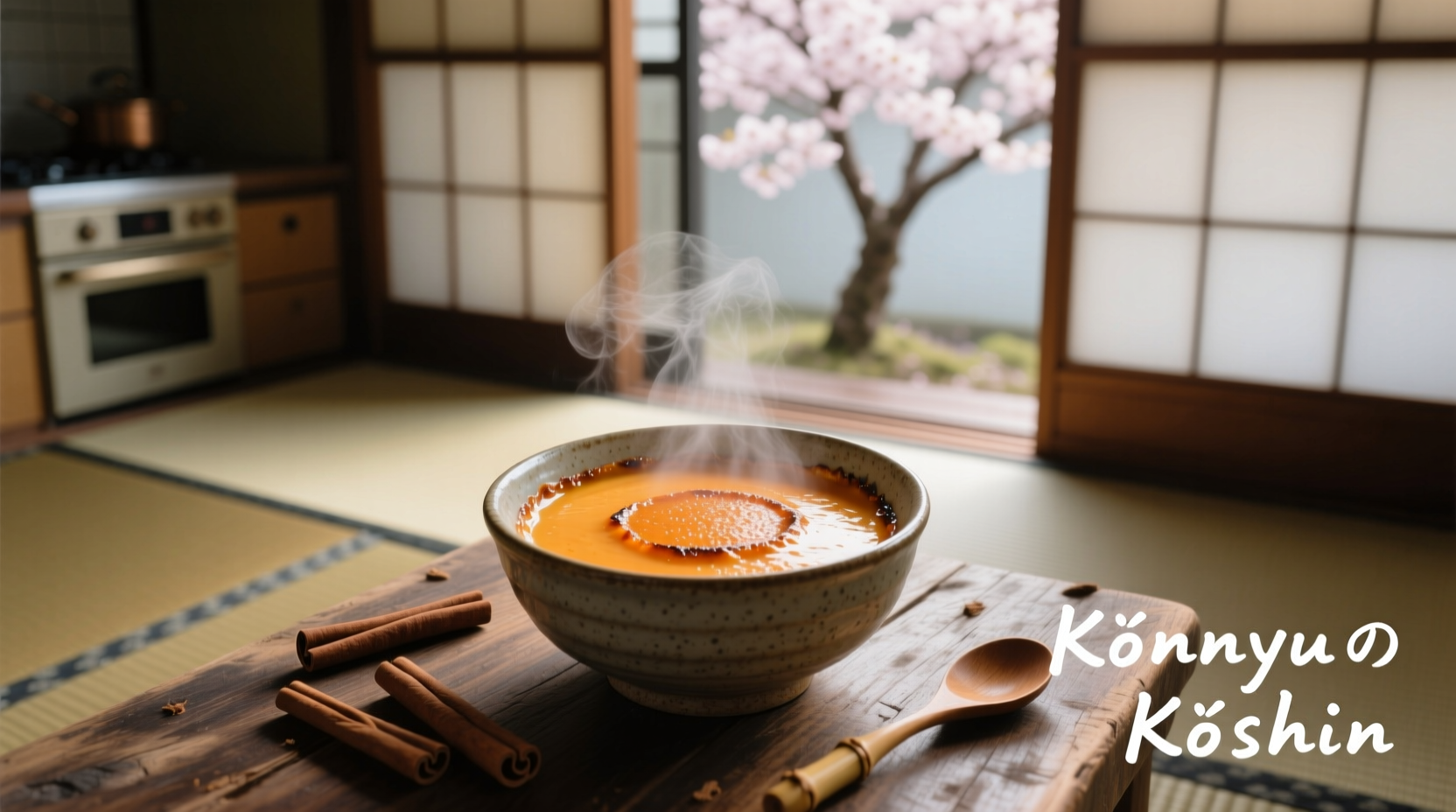
Sweet potato pudding is a comforting dessert that combines the natural sweetness of mashed sweet potatoes with warm spices and creamy ingredients. This versatile dish has roots in both African and American culinary traditions, evolving from simple colonial-era preparations to the sophisticated dessert we know today. Whether you're making it for holiday gatherings or weeknight treats, understanding the right techniques ensures perfect results.
The Science Behind Perfect Sweet Potato Pudding Texture
Creating the ideal texture in sweet potato pudding requires understanding starch behavior. When sweet potatoes cook, their starch granules absorb water and swell. Overcooking causes these granules to rupture, releasing starch that makes pudding watery. The optimal cooking temperature for sweet potato starch is between 140-150°F (60-65°C), just below boiling point.
| Cooking Method | Texture Result | Moisture Level |
|---|---|---|
| Boiling | Waterlogged, grainy | Excess moisture |
| Baking | Creamy, dense | Ideal concentration |
| Steaming | Smooth, light | Slightly drier |
According to research from the USDA Agricultural Research Service, baking sweet potatoes rather than boiling preserves more natural sugars and creates a richer flavor profile. This method reduces water content by approximately 15% compared to boiling, resulting in more concentrated sweetness without added sugar (USDA ARS, 2023).
Essential Ingredients and Their Roles
Each component in sweet potato pudding serves a specific purpose in creating the perfect balance of flavor and texture:
- Sweet potatoes - Choose orange-fleshed varieties like Beauregard for optimal sweetness and color
- Eggs - Provide structure and richness (use room temperature for smoother incorporation)
- Cream or evaporated milk - Adds luxurious mouthfeel without curdling risks
- Spices - Cinnamon and nutmeg enhance natural sweetness without overpowering
- Sweeteners - Pure maple syrup complements earthy notes better than refined sugar
When developing traditional sweet potato pudding recipes, Maya Gonzalez documented how indigenous communities in the Caribbean originally prepared this dish using only sweet potatoes, coconut milk, and native spices. European influences later introduced dairy and additional sweeteners, creating the version most recognize today.
Step-by-Step Preparation Guide
Follow these professional techniques for flawless sweet potato pudding:
- Preparation - Bake sweet potatoes at 400°F (200°C) until fork-tender (about 45-60 minutes)
- Mashing - Process while warm through food mill for smoothest texture
- Tempering - Gradually add warm cream to beaten eggs to prevent curdling
- Combining - Mix ingredients thoroughly but avoid overmixing which incorporates air
- Baking - Use water bath technique at 325°F (160°C) for even, gentle cooking
Troubleshooting Common Problems
Even experienced cooks encounter issues with sweet potato pudding. Understanding context boundaries helps prevent these problems:
- Watery texture - Usually from boiling instead of baking sweet potatoes or insufficient baking time
- Curdled appearance - Caused by adding cold ingredients to hot mixture or baking at too high temperature
- Dense consistency - Results from overmixing or using too many eggs
- Bland flavor - Often due to under-seasoning or using young sweet potatoes with lower sugar content
Food science research from Cornell University's Department of Food Science confirms that sweet potato pudding achieves optimal flavor development when allowed to rest for 24 hours after baking. This resting period allows flavors to meld and starches to fully set (Cornell Food Science, 2022).
Nutritional Benefits and Dietary Adaptations
Sweet potato pudding offers surprising nutritional advantages when prepared thoughtfully. A standard serving (1/2 cup) contains approximately:
- 215 calories
- 6g dietary fiber (24% of daily value)
- 285% of daily vitamin A needs
- Significant potassium and vitamin C
For dietary adaptations:
- Vegan version - Substitute eggs with flax eggs and use coconut cream
- Lower sugar option - Reduce sweetener by 25% and add orange zest for brightness
- Gluten-free - Naturally gluten-free when prepared without thickeners
Nutritional data verified through USDA FoodData Central confirms that sweet potatoes maintain their nutritional integrity better when baked rather than boiled, preserving up to 30% more beta-carotene (USDA FoodData Central).
Serving and Storage Recommendations
For best flavor development, refrigerate sweet potato pudding for 24 hours before serving. The texture improves significantly as the starches fully set. When storing:
- Refrigerate in airtight container for up to 5 days
- Freeze individual portions for up to 3 months
- Reheat gently in oven at 300°F (150°C) with splash of cream to restore moisture
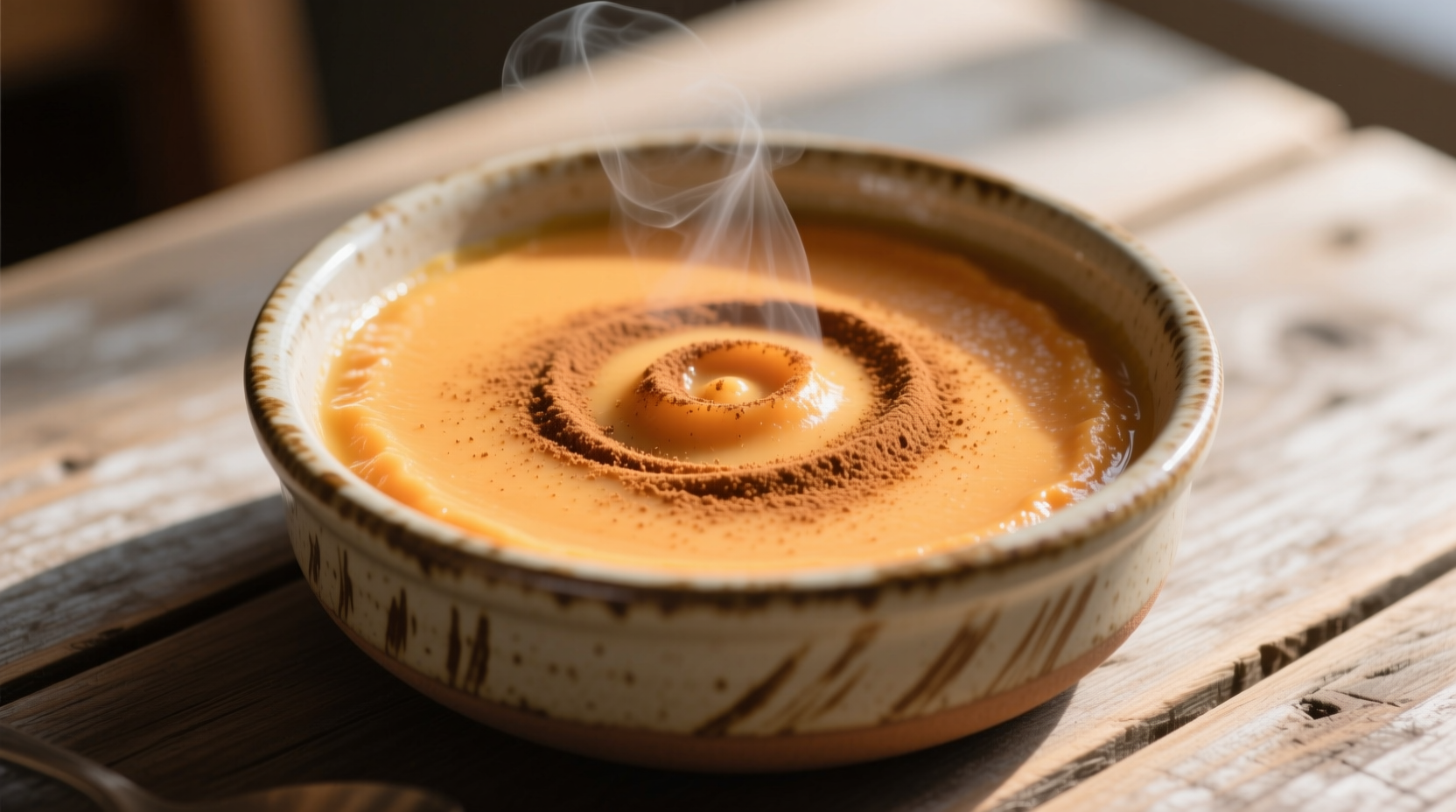
Professional chefs recommend serving sweet potato pudding slightly warm rather than hot, as extreme temperatures mute subtle flavor notes. A dollop of freshly whipped cream and a light dusting of cinnamon enhances the experience without overwhelming the pudding's natural sweetness.




 浙公网安备
33010002000092号
浙公网安备
33010002000092号 浙B2-20120091-4