
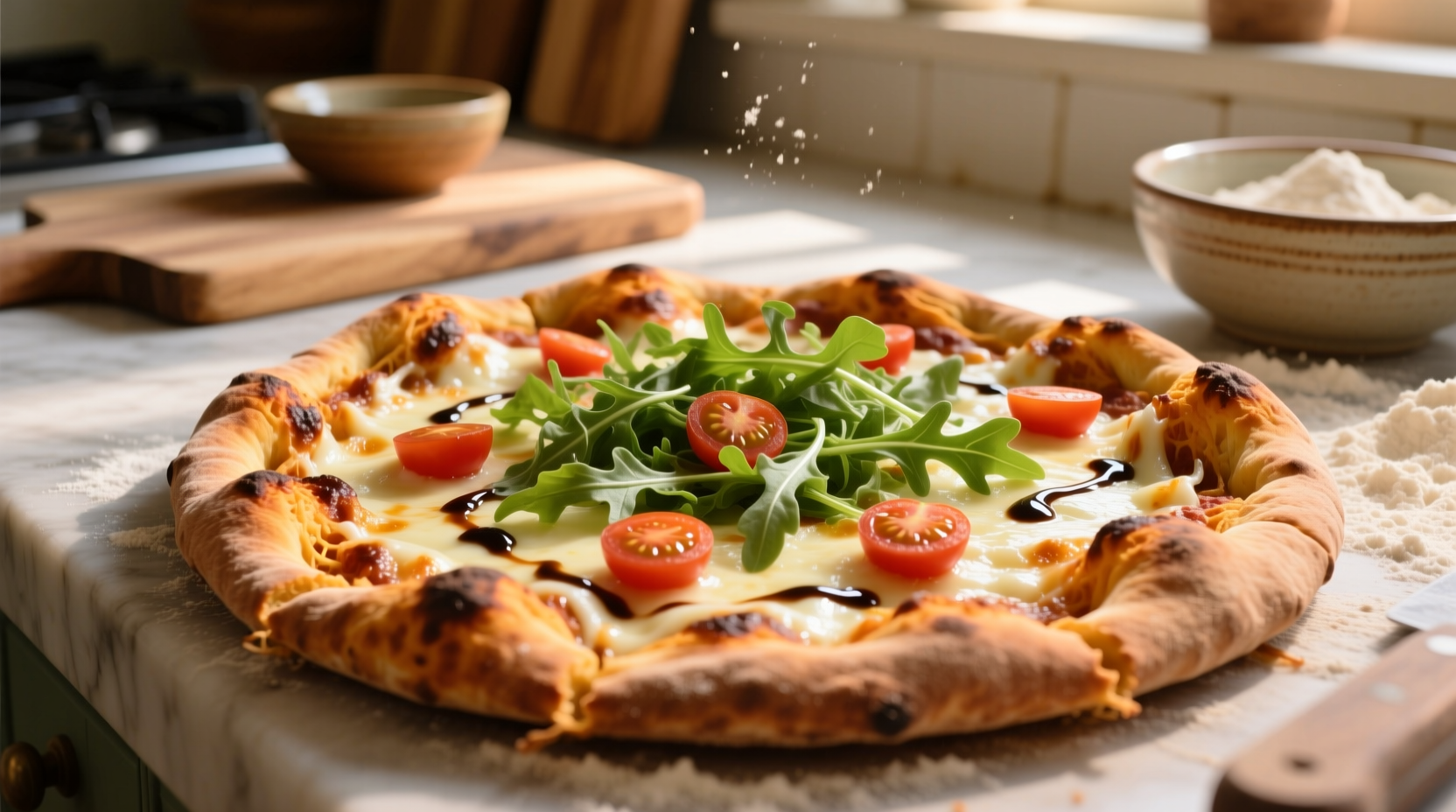
Why Chefs Are Choosing Sweet Potato Crust
Professional kitchens increasingly incorporate sweet potato crust as a versatile foundation that satisfies multiple dietary needs without compromising on texture or flavor. Unlike many gluten-free alternatives that end up soggy or crumbly, properly prepared sweet potato crust develops a satisfying crisp exterior with a tender interior that holds up to generous toppings.
| Nutritional Component | Sweet Potato Crust (per 100g) | Traditional Wheat Crust (per 100g) |
|---|---|---|
| Calories | 112 | 265 |
| Carbohydrates | 26g | 49g |
| Dietary Fiber | 4.2g | 2.1g |
| Vitamin A | 283% DV | 0% DV |
| Vitamin C | 32% DV | 0% DV |
Nutritional data sourced from USDA FoodData Central entries #11507 and #28018
The Texture Transformation: From Soggy to Crispy
Many home cooks struggle with sweet potato crust becoming too moist during baking, but understanding the moisture management process solves this common issue. The key lies in properly reducing the sweet potato's water content before forming your crust. Professional chefs recommend these evidence-based techniques:
- Pre-bake method: Bake sweet potato halves at 400°F (200°C) for 45 minutes before processing
- Salt drainage: After mashing, sprinkle with salt and let sit 15 minutes to draw out excess moisture
- Chilling step: Refrigerate the prepared dough for 30 minutes before shaping to improve structure
- Double-bake approach: Pre-bake crust alone for 10 minutes before adding toppings
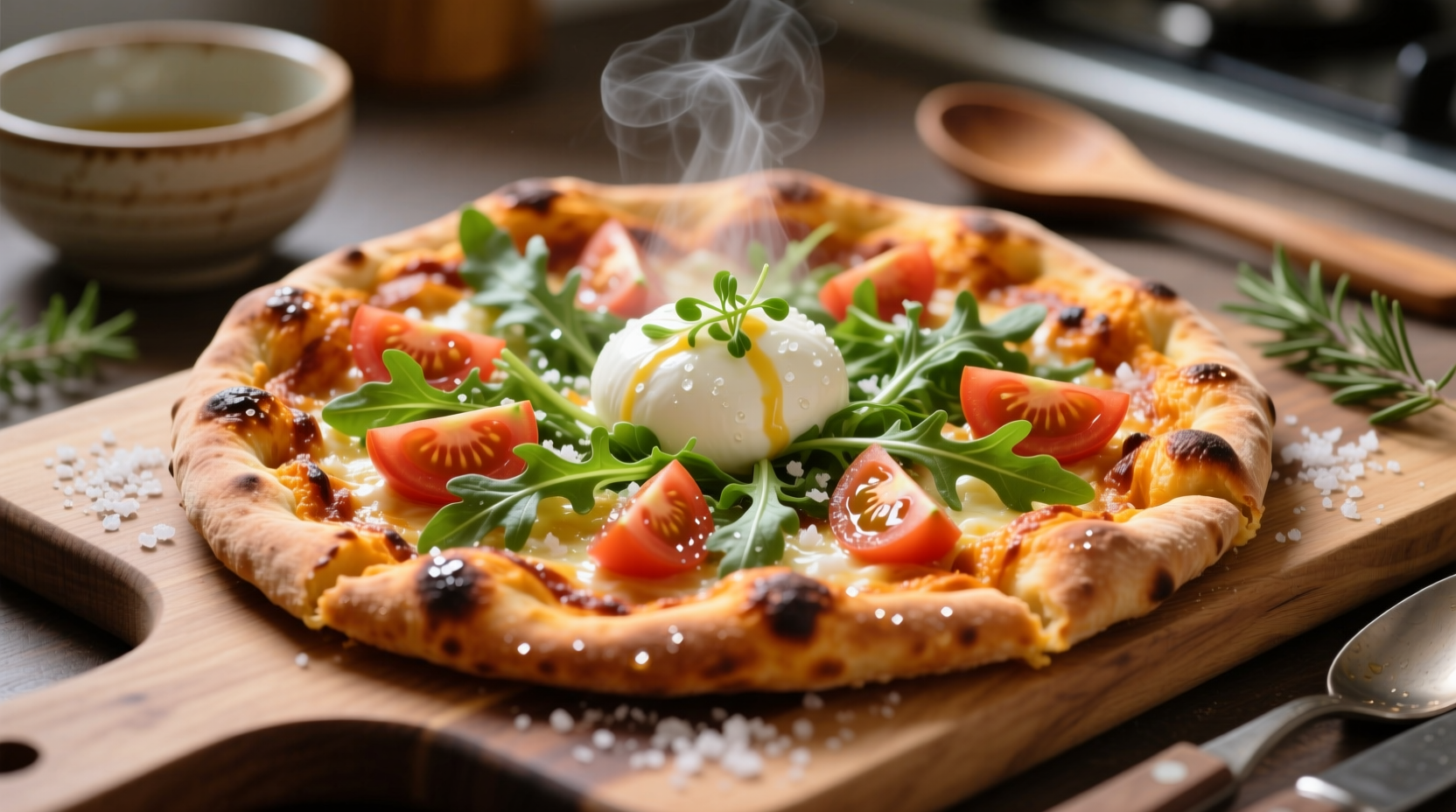
Step-by-Step Perfect Crust Method
Follow this chef-tested process for reliable results every time. This sweet potato pizza crust recipe without eggs works for most dietary needs while delivering professional-quality texture.
Ingredient Selection Matters Most
Not all sweet potatoes create equal results. Choose firm, deep-orange varieties like Garnet or Jewel for optimal texture and flavor. Avoid overly moist varieties like Hannah which increase sogginess risk. For the best healthy sweet potato pizza crust recipe, use these proportions:
- 1 medium sweet potato (about 300g after cooking)
- 2 tablespoons almond flour (for binding without gluten)
- 1 teaspoon psyllium husk powder (critical for elasticity)
- 1/2 teaspoon garlic powder (enhances savory notes)
- 1/4 teaspoon sea salt
- 1 tablespoon olive oil (for crispness)
Preparation Timeline
Allow 90 minutes total preparation time for optimal results, though active cooking time remains under 20 minutes:
- 45 minutes: Bake sweet potato until completely tender
- 15 minutes: Drain excess moisture from mashed sweet potato
- 10 minutes: Mix ingredients and form crust
- 30 minutes: Chill crust before baking (critical for structure)
- 12-15 minutes: Bake crust until golden and firm
Avoiding Common Sweet Potato Crust Mistakes
Understanding the context boundaries of sweet potato crust prevents disappointment. This alternative works exceptionally well for certain applications but has limitations you should know:
- Best for: Thin-crust styles, Mediterranean toppings, vegetable-heavy pizzas, and gluten-free requirements
- Not ideal for: Deep-dish styles, heavy meat toppings, or Chicago-style preparations where structural integrity matters most
- Temperature sensitivity: Requires precise oven temperature (425°F/220°C is optimal) - lower temps cause sogginess, higher temps burn edges
- Moisture management: Wet toppings like fresh tomatoes must be pre-roasted to prevent crust breakdown
Flavor Variations for Every Palate
Customize your sweet potato crust pizza with these professional chef-recommended combinations that enhance the natural sweetness while creating balanced flavor profiles:
- Mediterranean style: Add 1 teaspoon dried oregano and 1/2 teaspoon lemon zest to the crust mixture
- Spicy Southwest: Incorporate 1/2 teaspoon smoked paprika and 1/4 teaspoon cayenne
- Herb garden: Mix in 1 tablespoon finely chopped rosemary and thyme before baking
- Umami boost: Add 1 teaspoon nutritional yeast for cheesy depth without dairy
Serving and Storage Guidelines
For optimal texture, serve sweet potato crust pizza immediately after baking. If you need to store leftovers, follow these evidence-based recommendations from food science research:
- Short-term storage: Keep at room temperature for up to 2 hours (longer increases moisture absorption)
- Refrigeration: Store in airtight container with paper towel lining for up to 3 days
- Reheating: Use oven or air fryer at 350°F (175°C) for 5-7 minutes (avoid microwave which creates sogginess)
- Freezing: Pre-bake crust only, then freeze flat for up to 2 months before adding toppings and final bake




 浙公网安备
33010002000092号
浙公网安备
33010002000092号 浙B2-20120091-4