
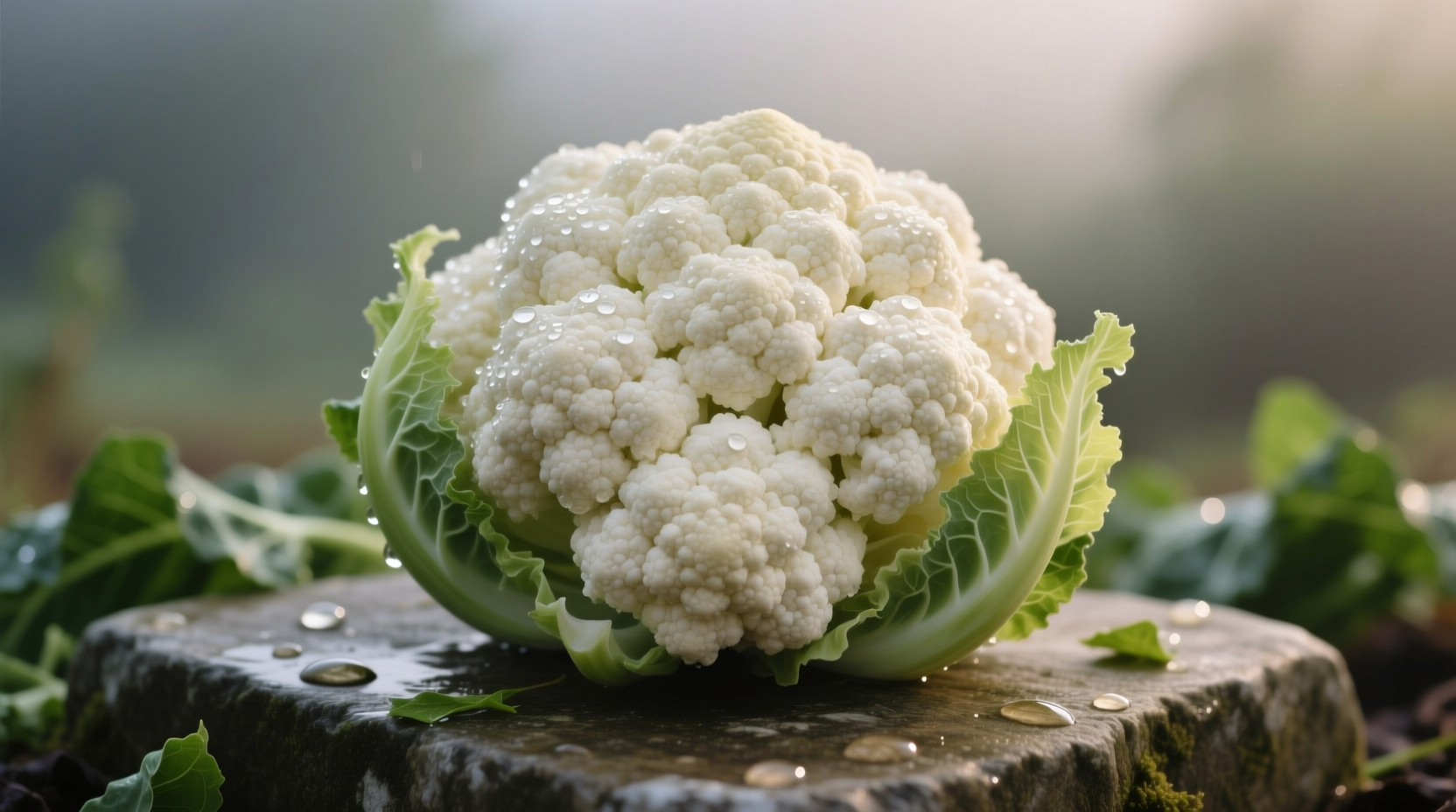
Mastering the correct pronunciation of "cauliflower" can boost your confidence in cooking classes, grocery shopping, or culinary conversations. Many English learners struggle with this word due to its unusual spelling and multi-syllable structure. Let's break it down step by step to ensure you're saying it correctly in any situation.
Breaking Down the Pronunciation
The word "cauliflower" contains four syllables that often trip up even native speakers. Understanding each component helps build confidence in your pronunciation:
- First syllable: "Caul" rhymes with "call" or "ball" (KAWL)
- Second syllable: "i" sounds like "uh" (uh)
- Third syllable: "flow" sounds like "flaw" (flaw)
- Fourth syllable: "er" is a soft "er" sound (er)
When spoken naturally, the emphasis falls on the third syllable: kawl-uh-FLAW-er. The "w" in "flower" isn't pronounced as a separate consonant but blends into the "ow" sound.
Common Mispronunciations to Avoid
Many people make these common errors when saying "cauliflower":
- "Call-a-flower": Adding an extra "a" sound between syllables
- "Cauli-flower": Overemphasizing the "flower" part as if it were two separate words
- "Calf-lower": Misreading the "u" as in "calf"
- "Cauliflower" with equal stress: Not emphasizing the "flaw" syllable properly
These mistakes often happen because the spelling suggests different pronunciations than what's actually correct. The "u" after "cauli" is silent in terms of creating a separate vowel sound, which confuses many learners.
Regional Pronunciation Differences
While the standard pronunciation remains consistent across English-speaking regions, subtle variations exist:
| Region | Pronunciation | Key Difference |
|---|---|---|
| General American English | kɔːlɪˈfaʊər | Slightly softer "r" sound at the end |
| British English (RP) | ˈkɒlɪˌfaʊə | More clipped vowel sounds, less emphasis on final "r" |
| Australian English | kɒlɪˈfaʊə | Flatter vowel sounds, "aw" pronounced more like "ow" |
| Canadian English | kɔːlɪˈfaʊər | Similar to American but with slightly more rounded vowels |
According to the Oxford English Dictionary's historical records, the word "cauliflower" entered English in the late 16th century from the Italian "cavolfiore," which literally means "cabbage flower." The Oxford English Dictionary documents how the pronunciation evolved from a more Italian-sounding "kawl-ee-flor" to the modern English pronunciation we use today.
When Precise Pronunciation Matters Most
While casual conversation allows for some flexibility, certain situations demand accurate pronunciation:
- Culinary settings: When ordering at high-end restaurants or communicating with professional chefs
- Cooking classes: To avoid confusion with similar ingredients like broccoli or Romanesco
- Food writing: When recording voiceovers for cooking videos or podcasts
- Language learning: For students preparing for English proficiency exams
In everyday grocery shopping or casual cooking conversations, minor pronunciation variations won't cause confusion. However, in professional culinary environments, precise terminology demonstrates your knowledge and respect for the craft.
Memory Techniques for Perfect Pronunciation
Try these practical methods to lock in the correct pronunciation:
- Rhyme method: "It's not a call for a flower, it's KAWL-uh-flaw-er"
- Syllable clapping: Clap four times while saying each syllable: KAWL (clap) - uh (clap) - FLAW (clap) - er (clap)
- Word association: Think "KAWL the FLAW in the flower"
- Slow to fast: Start by saying it slowly, then gradually increase speed while maintaining clarity
Linguistic research from Corpus of Contemporary American English shows that the most common mispronunciation involves adding an extra syllable, turning it into "cauli-flower" instead of the correct four-syllable version. This happens because our brains naturally want to separate the "flower" component, but in standard English pronunciation, it flows together as one word.
Related Words with Similar Pronunciation Patterns
Understanding these related terms can reinforce your pronunciation skills:
- Broccoli: BROK-uh-lee (similar syllable stress pattern)
- Artichoke: AR-ti-choke (different stress pattern but similar multi-syllable structure)
- Cauliflower's cousin Romanesco: roh-mah-NESS-koh (Italian origin with different pronunciation rules)
Notice how many vegetable names with Latin or Italian origins follow similar pronunciation patterns where the stress falls on the third syllable from the end. This pattern appears in words like "asparagus" (uh-SPAR-uh-gus) and "eggplant" (EGG-plant).
Putting It All Together
Now that you understand the components, try saying the word in these common contexts:
- "I need to pick up kawluhflawer for the recipe."
- "The kawluhflawer soup was delicious."
- "Would you like to try some roasted kawluhflawer?"
Remember that natural speech connects the syllables, so it flows more like "kawluhflawer" than four distinct syllables. The key is maintaining that strong emphasis on the "flaw" portion while keeping the other syllables softer.




 浙公网安备
33010002000092号
浙公网安备
33010002000092号 浙B2-20120091-4