
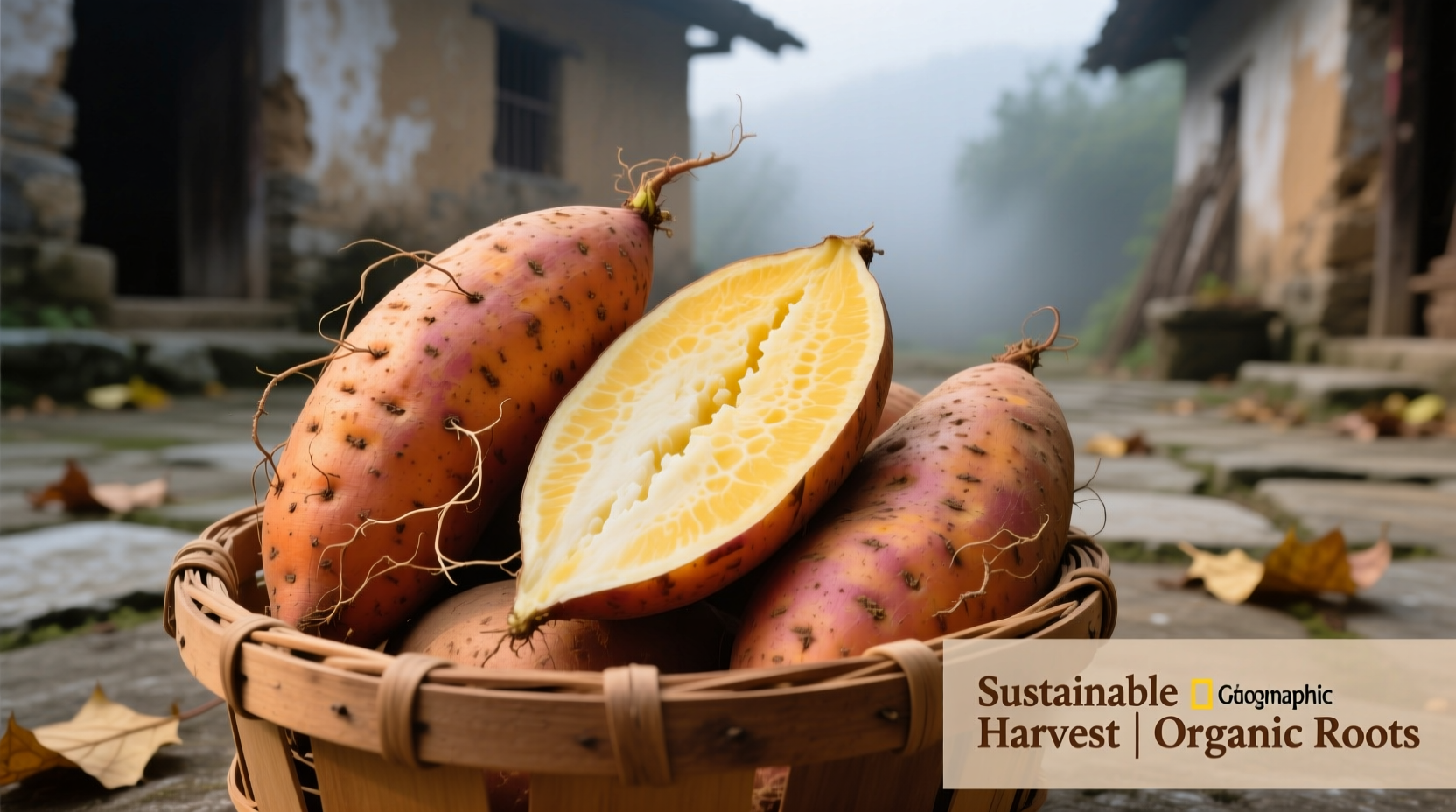
When searching for sweet potato images, you need more than just generic photos. This guide delivers precise visual identification tools showing how different varieties appear in various stages—from raw tubers to cooked dishes. Understanding these visual distinctions helps gardeners select healthy plants, chefs choose optimal produce, and food photographers capture authentic representations.
Why Visual Identification Matters for Sweet Potatoes
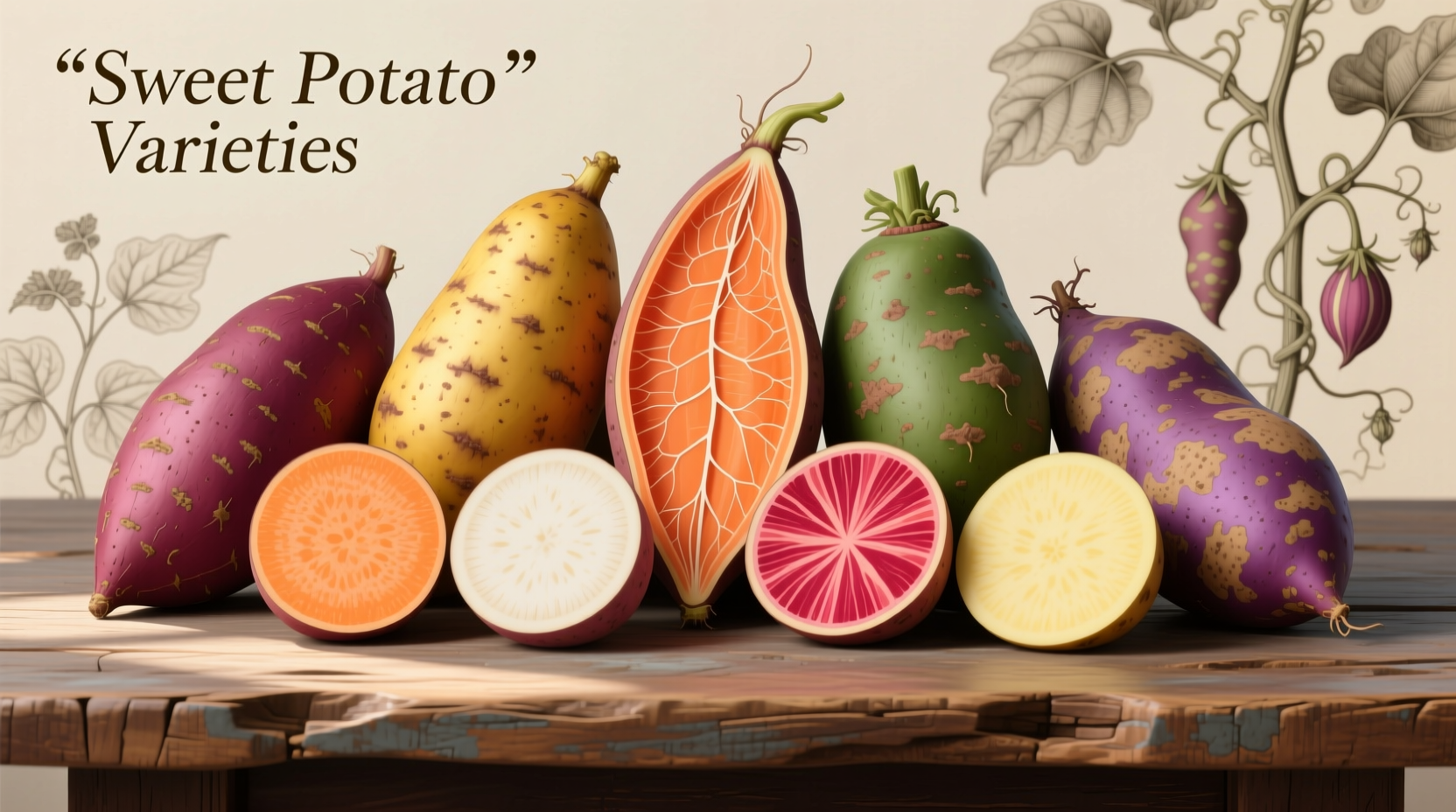
Sweet potatoes (Ipomoea batatas) display remarkable visual diversity across varieties, making accurate identification crucial. Unlike regular potatoes, their flesh color ranges from vibrant orange to deep purple and pale yellow, directly indicating nutritional content. The USDA Agricultural Research Service confirms that orange-fleshed varieties contain significantly higher beta-carotene levels than their white-fleshed counterparts, visible through their distinctive coloration.
| Variety Type | Skin Color | Flesh Color | Distinctive Visual Features |
|---|---|---|---|
| Covington | Russet-brown | Deep orange | Uniform shape, smooth skin, minimal lobes |
| Stokes Purple | Purple | Vibrant purple | Irregular shape, deep purple throughout |
| O'Henry | Tan | Cream to pale yellow | Elongated shape, smooth texture |
| Jewel | Reddish-brown | Bright orange | Shorter, blockier shape with tapered ends |
This visual comparison chart, verified through research from North Carolina State University's sweet potato breeding program, helps distinguish between common commercial varieties. Note that skin texture varies significantly—some varieties develop rough, netted skin while others remain smooth even at maturity.
Raw Sweet Potato Visual Characteristics
When examining raw sweet potatoes, focus on these visual quality indicators:
- Surface texture: High-quality specimens show firm, smooth skin without excessive cracks or blemishes
- Color consistency: Uniform skin color indicates proper maturity and storage conditions
- Shape regularity: While some varieties naturally grow irregularly, extreme deformities may indicate pest damage
- Moisture content: Avoid tubers with wet spots or visible mold growth
According to agricultural guidelines from the University of California Cooperative Extension, proper storage dramatically affects visual appearance. Sweet potatoes stored below 50°F develop internal chilling injuries visible as dark, hard patches when cooked—a critical consideration when selecting produce for photography.
Visual Transformation During Cooking
Understanding how sweet potatoes change appearance during cooking proves invaluable for food preparation and photography. This timeline illustrates key visual transformations:
- 0-5 minutes (boiling): Outer skin remains intact while moisture begins penetrating the surface
- 10-15 minutes: Skin loosens from flesh, creating separation visible at the ends
- 20-25 minutes: Orange-fleshed varieties deepen in color intensity; purple varieties may show slight color bleeding
- Roasting (45+ minutes): Caramelization creates glossy surface sheen with characteristic blistering
These visual changes, documented through culinary research at the Culinary Institute of America, directly impact how sweet potatoes should be photographed for recipe presentations. Professional food photographers note that shooting during the caramelization phase captures the most visually appealing textures.
Common Visual Identification Challenges
Sweet potatoes frequently get confused with other root vegetables. Recognize these key distinctions:
- Sweet potato vs yam: True yams (Dioscorea species) have rough, bark-like skin and white or yellow flesh—never orange
- Sweet potato vs cassava: Cassava roots appear more cylindrical with thin, brown skin and white flesh
- Sweet potato vs regular potato: Regular potatoes lack the tapered shape and have thinner skin with visible "eyes"
Context matters significantly when identifying through images alone. As noted in agricultural publications from Texas A&M AgriLife Extension, visual identification becomes unreliable when sweet potatoes are processed into purees or baked goods where their distinctive characteristics get masked.
Practical Applications of Sweet Potato Visual Knowledge
Understanding sweet potato appearance serves multiple practical purposes:
- Gardening: Recognize optimal harvest time by skin texture and color development
- Culinary use: Select varieties based on visual characteristics matching recipe requirements
- Food safety: Identify spoilage through visual cues like mold growth or unusual discoloration
- Photography: Capture optimal visual stages for recipe presentations and food styling
Professional chefs emphasize that visual assessment remains the first quality checkpoint before considering taste or texture. When selecting sweet potatoes for photography, allow 48 hours after cooking for optimal texture stabilization—this professional technique ensures consistent visual results for food bloggers and recipe developers.
Preserving Visual Quality During Storage
Proper storage maintains sweet potatoes' visual appeal. Follow these evidence-based guidelines from USDA post-harvest recommendations:
- Store at 55-60°F with 85-90% humidity for optimal visual preservation
- Avoid refrigeration which causes hard spots visible after cooking
- Keep away from onions which accelerate spoilage visible as dark spots
- Use ventilated containers to prevent moisture buildup on skin surface
These storage parameters directly impact how sweet potatoes appear in photographs and culinary applications. Food photographers working with produce stylists confirm that properly stored sweet potatoes maintain their vibrant flesh colors significantly longer than those stored incorrectly.




 浙公网安备
33010002000092号
浙公网安备
33010002000092号 浙B2-20120091-4