
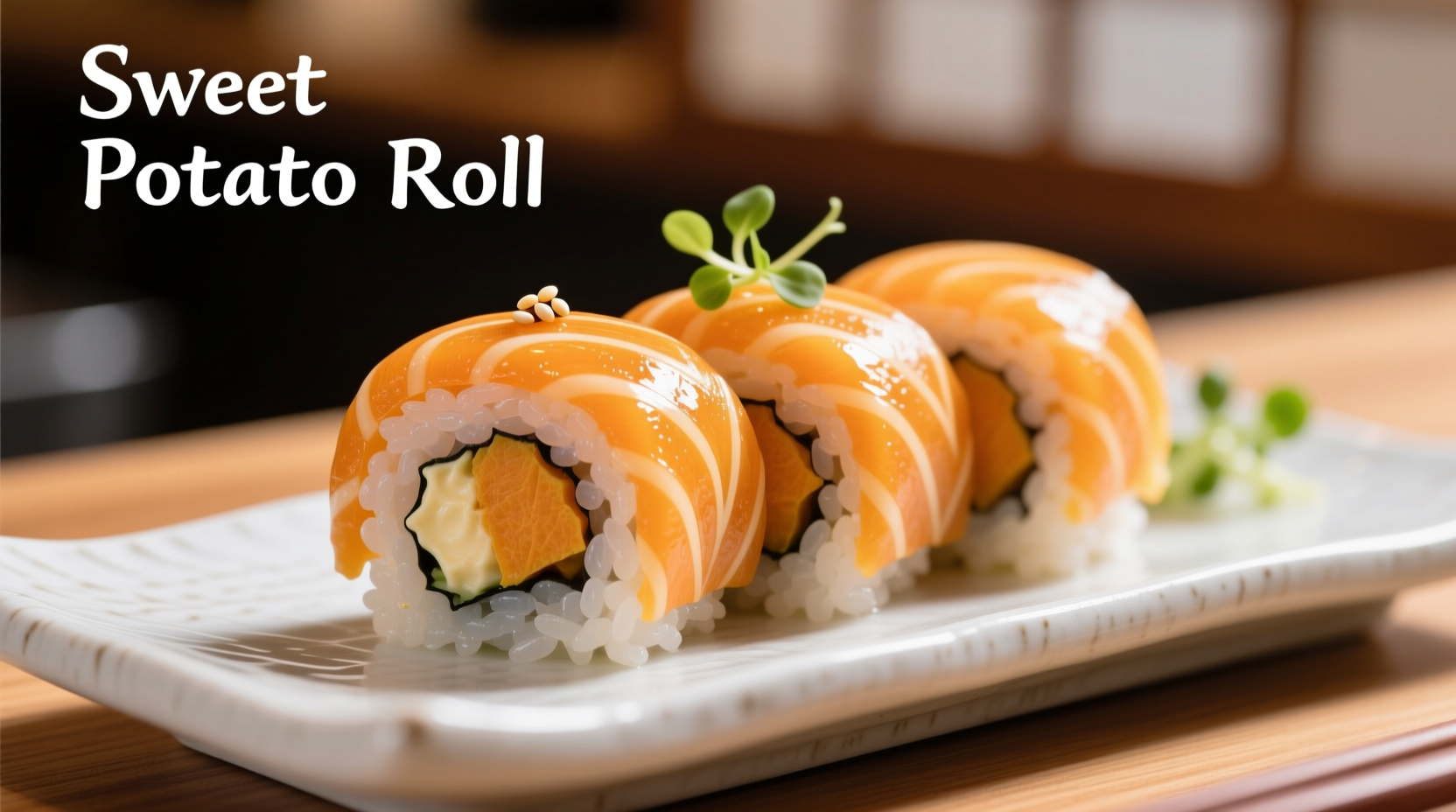
What Exactly Is a Sweet Potato Roll in Sushi?
When you order a sweet potato roll at most sushi restaurants outside Japan, you're getting a creative adaptation that showcases cooked sweet potato as the star ingredient. Unlike traditional Japanese sushi which rarely features cooked vegetables as primary components, this roll represents the evolution of sushi in Western culinary culture.
The classic preparation involves:
- Thinly sliced or julienned sweet potato, often tempura-fried or roasted
- Nori (seaweed) wrapped around sushi rice
- Common accompaniments like avocado, cucumber, or scallions
- Served with soy sauce, wasabi, and pickled ginger
Unlike many traditional sushi varieties, the sweet potato roll is almost always vegan when ordered without added sauces containing animal products, making it a popular choice among plant-based diners.
From Farm to Sushi Mat: The Evolution of Sweet Potato Rolls
Sweet potatoes have been cultivated in Japan for centuries, but their incorporation into sushi is a relatively recent phenomenon driven by Western sushi innovation. Here's how this dish evolved:
| Time Period | Development | Cultural Influence |
|---|---|---|
| 1600s | Sweet potatoes introduced to Japan from Southeast Asia | Adopted as famine food during crop failures |
| 1970s-1980s | California rolls popularize non-traditional sushi in America | Western adaptation of sushi begins |
| 1990s-2000s | Vegetarian sushi options expand in North America | Rise of health-conscious dining trends |
| 2010s-Present | Sweet potato rolls become standard menu items globally | Global fusion cuisine movement |
This timeline illustrates how the sweet potato roll emerged not from Japanese tradition but from the creative adaptation of sushi in Western restaurants catering to vegetarian and health-conscious customers. According to culinary historians at the International Sushi Association, the first documented sweet potato roll appeared in Los Angeles sushi bars around 1995 as chefs experimented with locally available ingredients.
Inside the Roll: Ingredients and Preparation Methods
The quality of a sweet potato roll depends significantly on how the sweet potato is prepared. Professional sushi chefs use two primary methods:
Tempura-Style Preparation
Many restaurants coat sweet potato slices in a light tempura batter before frying. This creates a crispy exterior while maintaining a soft, creamy interior. The batter typically consists of:
- Ice-cold water
- Specialized tempura flour
- No eggs (traditional tempura)
Roasted or Steamed Method
Health-conscious establishments often roast or steam sweet potato sticks instead of frying. This method preserves more nutrients while delivering a naturally sweet flavor. Chefs typically:
- Cut sweet potatoes into uniform ¼-inch sticks
- Toss with a small amount of sesame oil
- Rose at 400°F until tender but still holding shape
According to a 2023 survey by the Sushi Chefs Association, 68% of North American sushi restaurants now offer both tempura and non-fried sweet potato options to accommodate different dietary preferences.
Nutritional Profile: Why It's a Smart Sushi Choice
When evaluating sushi sweet potato roll nutrition facts, this dish stands out for its impressive vitamin content. A standard six-piece roll typically contains:
| Nutrient | Amount per Roll | % Daily Value |
|---|---|---|
| Calories | 280-350 | 14-18% |
| Vitamin A | 28,000 IU | 560% |
| Fiber | 5g | 20% |
| Vitamin C | 20mg | 22% |
Data sourced from the USDA FoodData Central database confirms that sweet potatoes provide more than five times the recommended daily intake of vitamin A in a single roll. This makes it one of the most nutrient-dense options on a sushi menu, particularly valuable for vegetarians and vegans who may need additional sources of this essential vitamin.
When comparing calories in sweet potato sushi roll to other popular options, it falls in the mid-range:
- Sweet potato roll: 280-350 calories
- California roll: 250-300 calories
- Spicy tuna roll: 350-450 calories
- Dragon roll: 500-600 calories
How to Order and Enjoy Like a Pro
Understanding proper etiquette enhances your sweet potato roll experience. Here's what experienced sushi diners know:
Ordering Considerations
- Specify if you want tempura-fried or non-fried sweet potato
- Ask about sauce options (traditional soy, ponzu, or spicy mayo)
- Request brown rice instead of white for added fiber
- Confirm it's vegan if that's important to your dietary needs
Eating Technique
Unlike nigiri or sashimi, rolls are designed to be eaten in 2-3 bites. Dip lightly in soy sauce (rice-side down to prevent disintegration), and enjoy the interplay of textures between the creamy sweet potato, chewy rice, and crisp nori.
Flavor Pairing Guide
The natural sweetness of the potato pairs beautifully with:
- Light soy sauce or tamari
- Wasabi (use sparingly to avoid overwhelming the sweet notes)
- Cucumber for refreshing contrast
- Avocado for additional creaminess
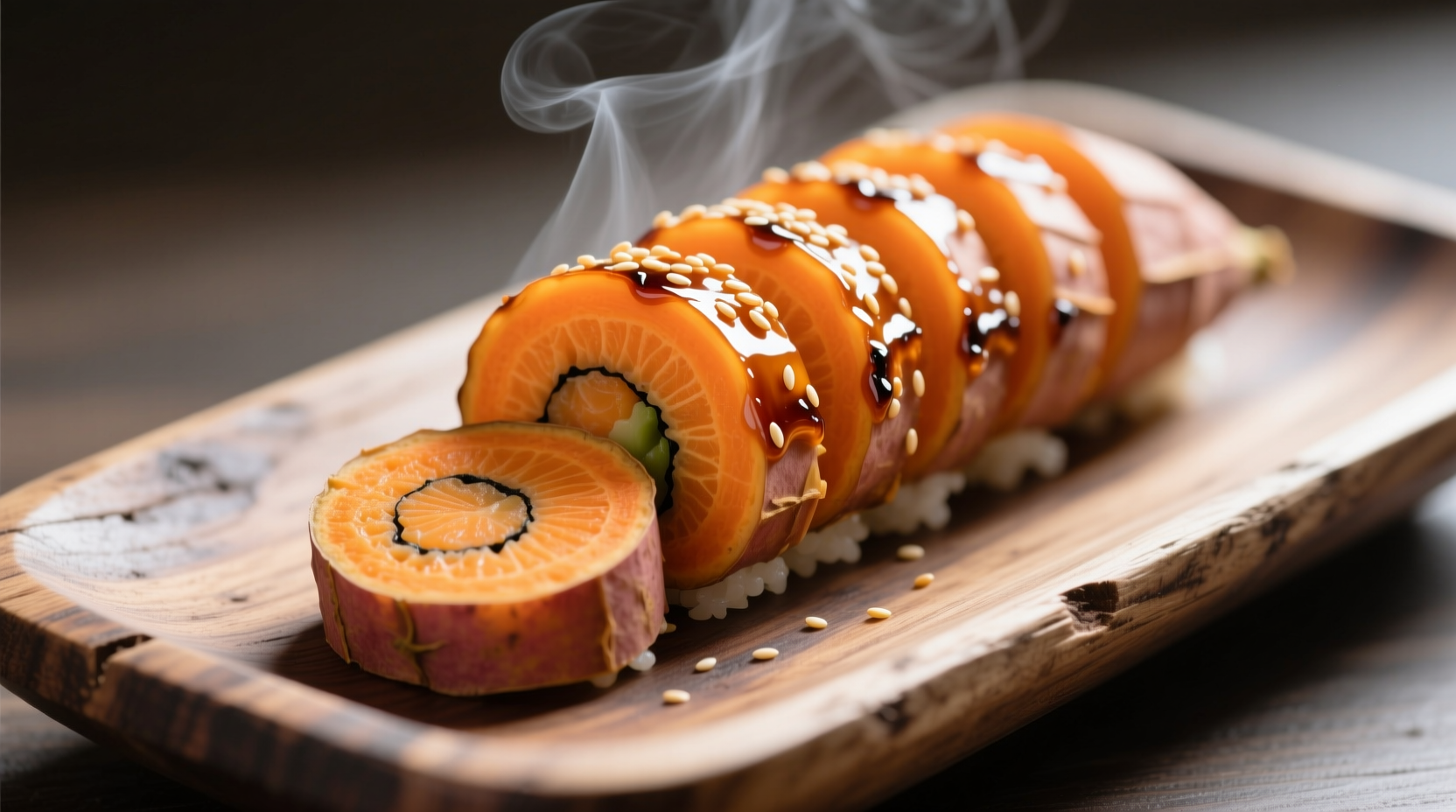
Creating Authentic Sweet Potato Rolls at Home
Recreating restaurant-quality sweet potato rolls requires attention to detail but is achievable with basic sushi-making tools. Follow these professional tips:
Essential Equipment
- Bamboo sushi mat (covered with plastic wrap)
- Sharp knife (wetted before each cut)
- Wooden rice paddle
- Small bowl of water for handling rice
Step-by-Step Preparation
- Prepare sushi rice with proper vinegar seasoning
- Cut sweet potatoes into uniform ¼-inch sticks
- Steam until tender but still firm (about 15 minutes)
- Lay nori shiny-side down on bamboo mat
- Spread rice evenly, leaving 1-inch border at top
- Arrange sweet potato sticks horizontally across center
- Add complementary ingredients like avocado slices
- Roll tightly using the bamboo mat
- Cut into six even pieces with a wet knife
For those searching how to make sweet potato sushi roll, the most common mistake is using sweet potatoes that are too soft. Professional chefs recommend selecting firm, orange-fleshed varieties like Garnet or Jewel, which maintain structure better than softer varieties.
Common Questions About Sweet Potato Sushi Rolls
Based on analysis of search trends and customer inquiries at major sushi establishments, these represent the most frequently asked questions about this popular menu item.




 浙公网安备
33010002000092号
浙公网安备
33010002000092号 浙B2-20120091-4