
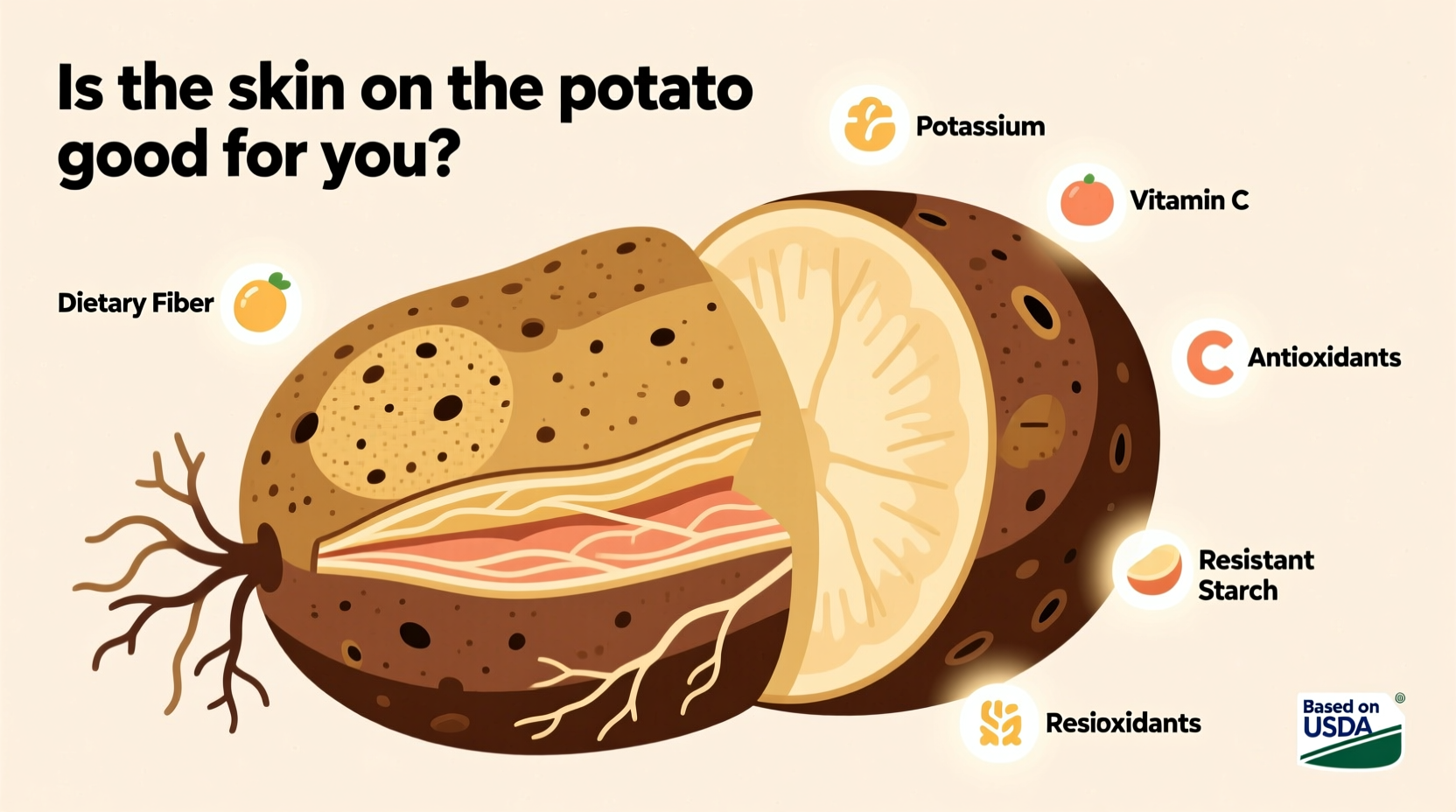
Why Potato Skins Deserve a Place on Your Plate
When you peel a potato, you're discarding one of its most nutritionally dense components. Research from the USDA's Agricultural Research Service confirms that potato skins contain up to three times more fiber than the flesh alone and house significant concentrations of essential nutrients that get lost during peeling.
Nutritional Powerhouse: What's Inside Potato Skin
Potato skins aren't just protective covering—they're nutritional treasure chests. The skin contains higher concentrations of key nutrients compared to the flesh, making them worth keeping whenever possible.
| Nutrient | Per 100g Potato Skin | Per 100g Potato Flesh | Difference |
|---|---|---|---|
| Dietary Fiber | 4.2g | 1.5g | +180% |
| Potassium | 620mg | 380mg | +63% |
| Vitamin C | 15mg | 10mg | +50% |
| Iron | 0.8mg | 0.3mg | +167% |
This nutritional advantage comes from the potato's natural growth process—many nutrients concentrate near the surface as protective compounds. According to research published in the Journal of Agricultural and Food Chemistry, the outer 2mm of potato contains the highest density of beneficial phytochemicals.
Five Science-Backed Health Benefits of Eating Potato Skins
1. Enhanced Digestive Health Through Fiber
With approximately 2 grams of fiber per medium potato skin, you're getting about 8% of your daily fiber needs from just this component. The Mayo Clinic emphasizes that adequate fiber intake supports healthy digestion, prevents constipation, and feeds beneficial gut bacteria. Unlike isolated fiber supplements, potato skin provides both soluble and insoluble fiber in their natural matrix.
2. Better Blood Sugar Management
The fiber in potato skins slows carbohydrate digestion, preventing blood sugar spikes. A study in the American Journal of Clinical Nutrition found that consuming whole potatoes with skin resulted in a 30% lower glycemic response compared to peeled potatoes. This makes skin-on preparation particularly valuable for those managing blood sugar levels.
3. Rich in Antioxidants and Phytochemicals
Potato skins contain higher concentrations of antioxidants like flavonoids and carotenoids than the flesh. Research from the USDA confirms that colored potato varieties (like purple or red potatoes) have particularly high antioxidant levels in their skins—up to four times more than white potato skins. These compounds help combat oxidative stress and inflammation throughout the body.
4. Essential Mineral Absorption Boost
The vitamin C content in potato skins enhances iron absorption from plant-based foods. When paired with iron-rich vegetables in meals, the skin's natural vitamin C helps your body utilize more of this essential mineral. This synergistic effect makes potato skins particularly valuable in vegetarian and vegan diets.
5. Sustainable Eating Practice
Keeping skins on reduces food waste while maximizing nutrition. The Natural Resources Defense Council reports that approximately 40% of produce in America gets wasted, with peels and skins representing significant portions of this waste. Consuming potato skins aligns with sustainable eating practices without compromising nutrition.
Safety Considerations: When Potato Skins Need Caution
While generally beneficial, certain conditions require attention when consuming potato skins:
Glycoalkaloid Content in Green or Sprouted Areas
Potatoes naturally produce glycoalkaloids (primarily solanine and chaconine) as defense compounds. These concentrate in green areas and sprouts. According to the FDA's guidance on potato safety, glycoalkaloid levels exceeding 200mg/kg can cause digestive discomfort. The agency recommends:
- Discarding potatoes with extensive greening
- Cutting away green spots deeply (1/8 inch minimum)
- Removing all sprouts completely
- Storing potatoes in cool, dark places to prevent greening
Pesticide Residues
While conventional potatoes often appear on the Environmental Working Group's "Dirty Dozen" list, proper cleaning significantly reduces residues. The FDA recommends:
- Rubbing potatoes under running water
- Using a clean vegetable brush
- Soaking in vinegar solution (3 parts water, 1 part vinegar) for 15 minutes
A 2020 study in Food Control found these methods remove 80-95% of common pesticide residues from potato skins.
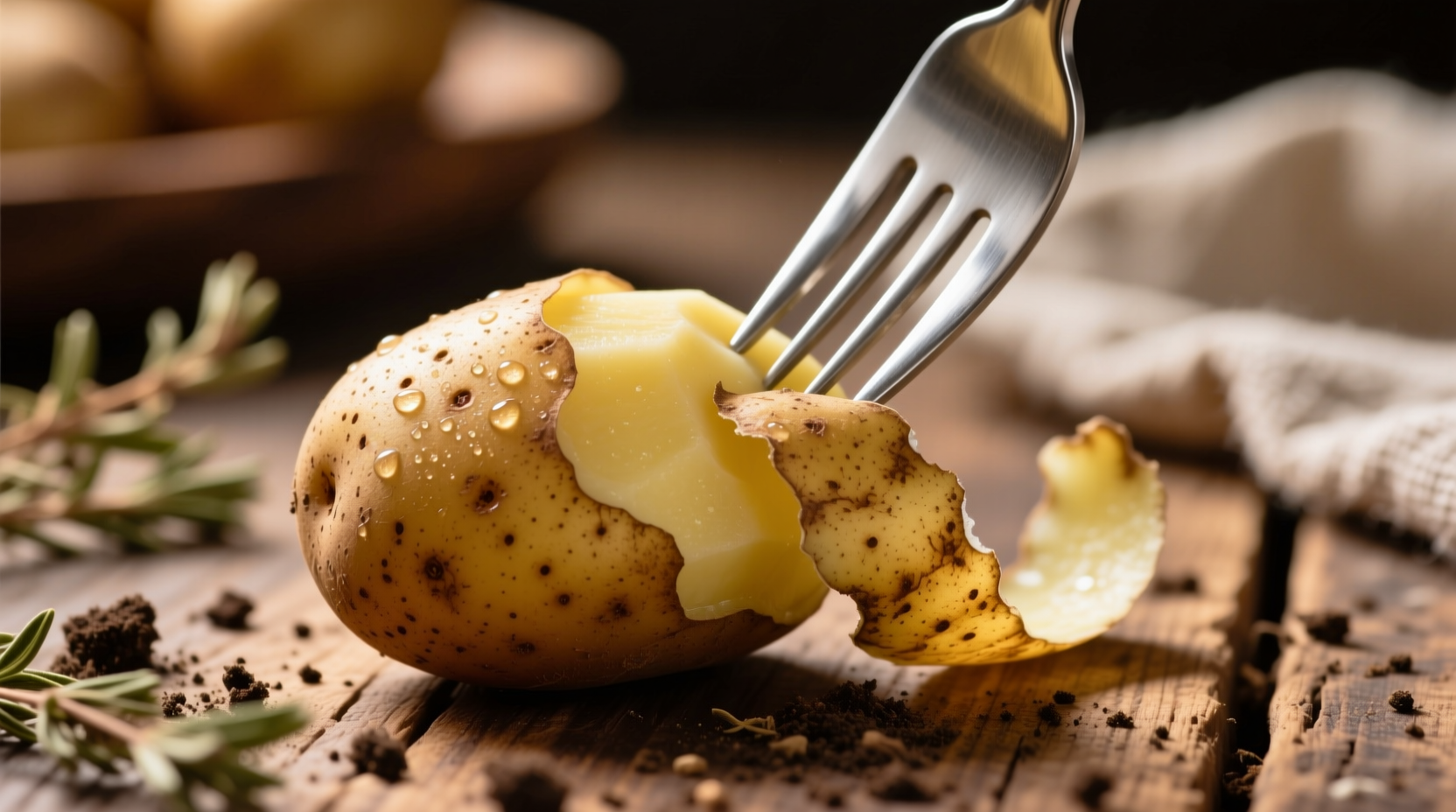
Maximizing Benefits: How to Prepare Potato Skins Safely
Cleaning Protocol for Maximum Safety
Follow this evidence-based cleaning process:
- Rinse under cool running water
- Scrub with vegetable brush for 30 seconds
- Soak in vinegar solution (1:3 vinegar to water) for 10-15 minutes
- Rinse thoroughly again
- Inspect for green spots or sprouts and remove if present
Cooking Methods That Preserve Nutrients
How you prepare potatoes affects nutrient retention:
- Baking: Best method for preserving nutrients—retains up to 90% of vitamin C
- Steaming: Good alternative that minimizes water-soluble nutrient loss
- Boiling: Causes significant nutrient leaching into water (up to 50% of potassium)
- Air frying: Excellent for creating crispy skins while preserving nutrients
Practical Ways to Incorporate Potato Skins Into Your Diet
Simple Swaps for Maximum Nutrition
Transition to skin-on potatoes gradually with these practical approaches:
- Start with thinner-skinned varieties like Yukon Gold or red potatoes
- Make "twice-baked" potatoes by scooping some flesh but leaving substantial skin
- Create crispy roasted potato wedges with skins on
- Add diced skin-on potatoes to soups and stews
- Try potato skin "chips" baked with minimal oil
Special Considerations for Different Diets
Tailor your potato skin consumption to your dietary needs:
- Weight management: The fiber increases satiety—studies show potato skin consumption leads to 15% greater fullness
- Diabetes management: Pair skin-on potatoes with protein and healthy fats to moderate blood sugar response
- Kidney concerns: Consult your healthcare provider about potassium content if you have kidney disease
- Digestive sensitivities: Start with small amounts if you're not accustomed to high-fiber foods
When to Consult a Professional
While potato skins benefit most people, certain medical conditions may require professional guidance. The Academy of Nutrition and Dietetics recommends consulting a registered dietitian if you have:
- Severe digestive disorders like Crohn's disease during flare-ups
- Specific kidney conditions requiring potassium restriction
- History of glycoalkaloid sensitivity (rare)
Frequently Asked Questions
Can you eat potato skins if you have digestive issues?
Most people with mild digestive concerns can enjoy potato skins, but those with active inflammatory bowel disease should consult their doctor. Start with small portions of well-cooked skin-on potatoes and monitor your tolerance. The fiber in potato skins can actually improve gut health over time for many people, but during flare-ups, temporarily peeling may be advisable.
Are organic potato skins worth the extra cost?
Organic potato skins reduce pesticide exposure but don't significantly change nutritional content. The Environmental Working Group's 2023 report shows conventional potatoes have higher pesticide residues than many produce items. If budget constrained, thorough cleaning of conventional potatoes removes most residues. For households with young children or pregnant women, organic may provide additional peace of mind.
How do different potato varieties affect skin nutrition?
Colored potato varieties (purple, red) have significantly higher antioxidant levels in their skins compared to white potatoes. Research from the USDA Agricultural Research Service shows purple potato skins contain up to four times more anthocyanins than white potato skins. Red potato skins contain higher levels of carotenoids. All varieties provide substantial fiber, but colored varieties offer additional phytochemical benefits.
Can you eat sweet potato skins?
Yes, sweet potato skins are not only edible but highly nutritious. They contain even more fiber than regular potato skins and are rich in antioxidants. Unlike regular potatoes, sweet potatoes don't contain glycoalkaloids, so there's no concern about green spots. Simply wash thoroughly and cook with the skin on for maximum nutritional benefit. The fiber in sweet potato skins particularly supports healthy blood sugar management.




 浙公网安备
33010002000092号
浙公网安备
33010002000092号 浙B2-20120091-4