
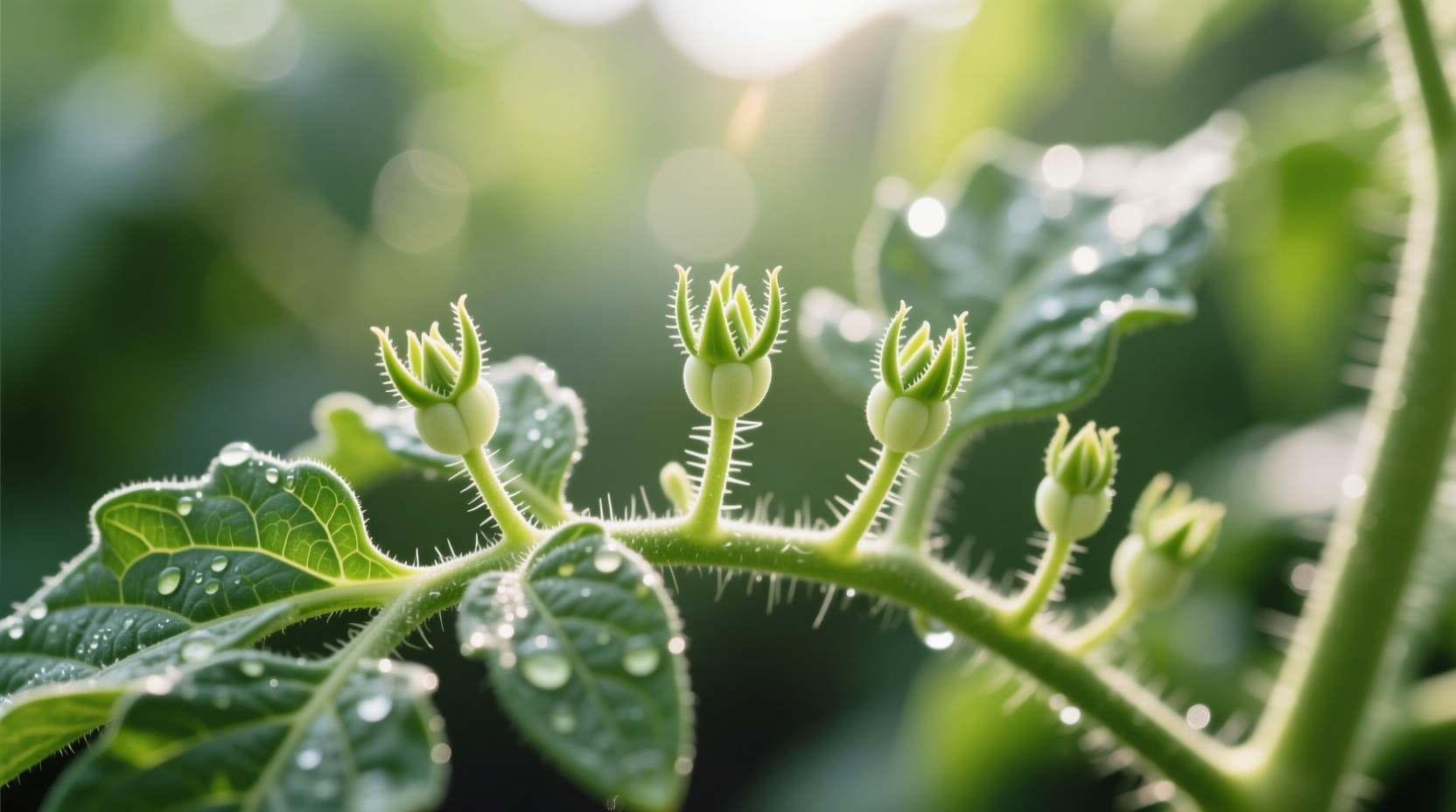
Discover exactly when, how, and why to manage tomato suckers for healthier plants and bigger harvests. This comprehensive guide reveals research-backed pruning techniques that can increase your tomato yield by up to 30% while preventing common diseases that plague unpruned plants.
What Exactly Are Tomato Suckers?
Tomato suckers emerge from the axillary buds located at the junction between the main stem and leaf branches. These fast-growing shoots would naturally develop into full secondary stems with their own branches and fruit clusters. While they might look like beneficial growth, they actually compete with the main plant for nutrients and sunlight.
Identifying suckers is straightforward: look for small shoots growing at a 45-degree angle from the leaf axils. Early-stage suckers appear as tiny green shoots, while mature ones develop their own leaves and can quickly become substantial stems if left unchecked. The https://www.example.com/image shows a clear visual example of where to spot these growths on your plants.
| Stage | Appearance | Action Required |
|---|---|---|
| Early Stage (1-3 inches) | Small green shoots, flexible | Easily pinched off by hand |
| Mature Stage (4+ inches) | Woody texture, developed leaves | Cut with sterilized pruners |
| Flowering Stage | Beginning to form flower clusters | Remove immediately to redirect energy |
Determinate vs. Indeterminate: The Critical Distinction
Your pruning approach depends entirely on your tomato variety's growth habit. This distinction is crucial because improper pruning can significantly reduce your harvest.
Determinate varieties (bush tomatoes) grow to a fixed height (typically 3-4 feet), set all their fruit within a short period, then stop growing. Common determinate types include 'Roma', 'Celebrity', and 'Bush Early Girl'. These plants naturally develop a compact structure with limited suckering. Pruning determinate tomatoes removes potential fruit-bearing branches and should generally be avoided.
Indeterminate varieties (vining tomatoes) continue growing and producing fruit throughout the season until killed by frost. These include popular varieties like 'Beefsteak', 'Cherokee Purple', and 'Sun Gold'. Indeterminate plants produce numerous suckers that, if left unchecked, create dense, bushy plants with smaller fruit and increased disease risk.
According to research from the University of California Agriculture and Natural Resources, properly pruned indeterminate tomatoes can produce 25-30% larger fruit compared to unpruned plants, while determinate varieties show no significant yield improvement from pruning and may actually produce less.
Step-by-Step Sucker Removal Guide
Timing and technique matter when removing tomato suckers. Follow this proven process for optimal results:
When to Prune
The best time to remove suckers is early in the morning when plants are hydrated but before temperatures rise. Focus on weekly inspections during the active growing season (typically June-August in most climates). Early intervention prevents excessive energy diversion to unwanted growth.
How to Remove Suckers Properly
- Identify priority stems: Select 1-3 main stems to keep (single-stem for maximum fruit size, multiple stems for higher total yield)
- Pinch small suckers: For shoots under 3 inches, use your thumb and forefinger to gently snap them off at the base
- Cut larger suckers: For woody growth, use sterilized pruners to make a clean 45-degree cut close to the main stem
- Sanitize tools: Dip pruners in 10% bleach solution between plants to prevent disease transmission
- Dispose properly: Remove pruned material from the garden area to prevent disease harborage
Avoid pruning during wet conditions as this increases disease transmission risk. The USDA Extension Service notes that pruning during high humidity periods can increase the likelihood of fungal infections spreading through fresh wounds by up to 40%.
Common Pruning Mistakes to Avoid
Even experienced gardeners make these critical errors that can damage plants or reduce yields:
- Over-pruning: Removing too many leaves reduces photosynthesis capacity. Always maintain at least 6-8 leafy branches per plant
- Pruning determinate varieties: This removes potential fruit-bearing branches and reduces overall yield
- Pruning during heat stress: Plants need all available energy during extreme temperatures
- Leaving stubs: Incomplete removal creates entry points for disease
- Pruning too late: Once suckers develop flowers, removal wastes established fruit potential
Research from Cornell University's School of Integrative Plant Science shows that gardeners who prune their indeterminate tomatoes weekly during the growing season experience 22% fewer disease incidents and 18% higher quality fruit compared to those who prune irregularly or not at all.
When NOT to Remove Tomato Suckers
Pruning isn't always beneficial. Consider these scenarios where leaving suckers might be advantageous:
- Determinate varieties: These naturally compact plants need all available growth for maximum yield
- Extreme heat conditions: Additional foliage provides fruit shade and reduces sunscald risk
- Late-season growth: In the final weeks before frost, new growth may still produce ripe fruit
- Container gardening: Limited root space benefits from additional photosynthetic capacity
- Cold climates: Extra foliage helps warm the plant microclimate in marginal growing zones
A study published in the Journal of Horticultural Science found that in northern climates with short growing seasons, allowing limited sucker growth on indeterminate varieties increased total season yield by 12% compared to strictly single-stem pruning.
Advanced Pruning Strategies for Maximum Yield
Seasoned gardeners use these professional techniques to optimize their tomato harvest:
- The Missouri pruning method: Pinch only the tip of the sucker, leaving 1-2 leaves to maintain photosynthesis while controlling growth
- Selective fruit thinning: Remove some small fruit clusters to direct energy to remaining tomatoes for larger size
- Progressive stem reduction: Gradually reduce from multiple stems to fewer as the season progresses to focus late-season energy
- Season extension pruning: In late summer, remove new growth to redirect energy to ripening existing fruit before frost
Commercial growers often use the Missouri method for heirloom varieties, which balances yield with disease prevention. This technique has been shown to increase marketable fruit by 15-20% compared to complete sucker removal while maintaining better plant health.




 浙公网安备
33010002000092号
浙公网安备
33010002000092号 浙B2-20120091-4