
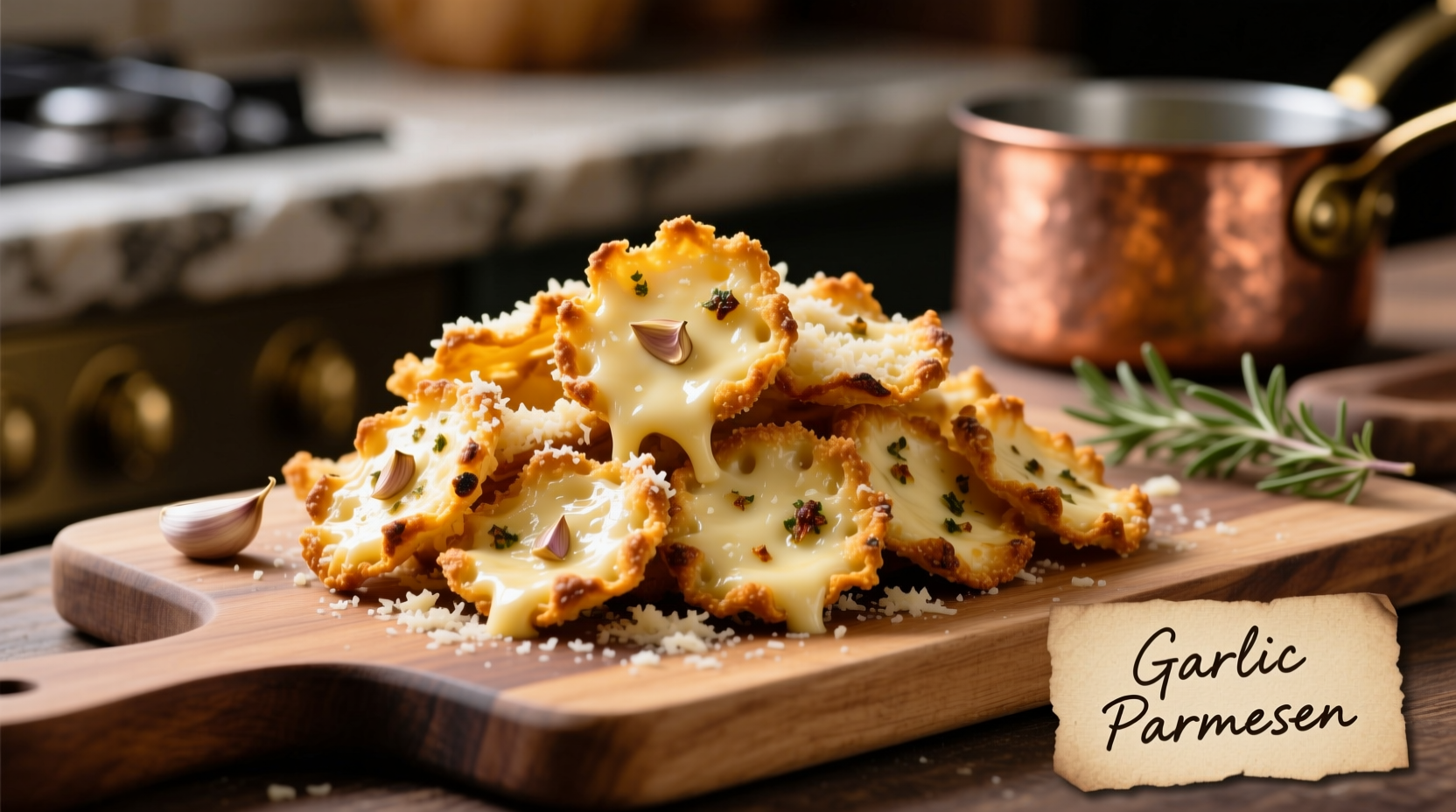
Discover how to transform ordinary dishes into restaurant-quality meals with the perfect garlic parmesan cheese blend. This comprehensive guide reveals professional techniques for creating and using this essential culinary staple, including the exact ratios chefs use, optimal preparation methods, and common mistakes that ruin flavor.
Understanding Garlic Parmesan Cheese Fundamentals
Garlic parmesan cheese isn't just parmesan with garlic added—it's a carefully balanced flavor partnership. Authentic Parmigiano-Reggiano, protected by Italy's PDO designation, provides the complex umami base that makes this combination work. The aging process develops tyrosine crystals that interact with garlic compounds to create new flavor dimensions impossible with younger cheeses.
| Characteristic | Homemade Blend | Store-Bought |
|---|---|---|
| Flavor Complexity | Rich, layered notes | One-dimensional |
| Texture | Perfectly grated consistency | Often contains anti-caking agents |
| Shelf Life | 5-7 days refrigerated | 3-6 months (with preservatives) |
| Cost per Ounce | $1.20 | $2.50+ |
Creating Professional-Quality Garlic Parmesan Cheese
The difference between mediocre and exceptional garlic parmesan comes down to three critical factors: cheese selection, garlic preparation, and mixing technique. Start with a wedge of authentic Parmigiano-Reggiano—the granular texture and nutty flavor can't be replicated with pre-grated cheese. For garlic, roasting transforms its chemistry, converting harsh allicin compounds into milder, sweeter compounds through the Maillard reaction.
Step-by-Step Preparation Guide
- Select quality ingredients: Choose Parmigiano-Reggiano aged 24+ months and fresh garlic bulbs without sprouting
- Prepare the garlic: Roast whole cloves at 350°F for 15-20 minutes until soft and golden (for milder flavor) or use raw for sharper taste
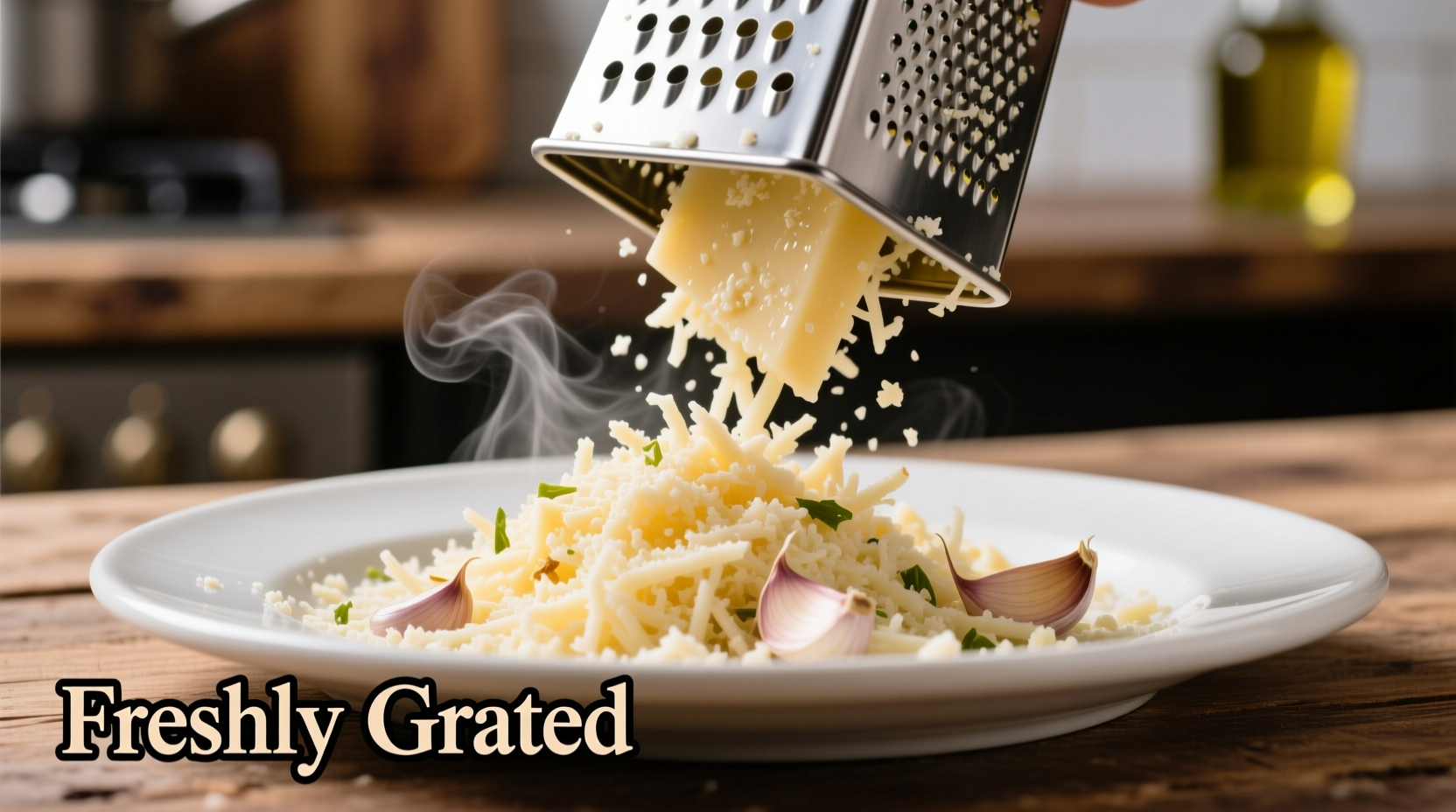
- Grate properly: Use a microplane grater for parmesan—never pre-grated versions that contain cellulose
- Combine ratios: Mix 1 cup freshly grated parmesan with 1-2 roasted garlic cloves (adjust to taste)
- Rest for flavor integration: Let the mixture sit 30 minutes before use to allow flavor compounds to meld
When Garlic Parmesan Cheese Works Best (and When It Doesn't)
Understanding context boundaries prevents culinary disasters. This blend shines with pasta, roasted vegetables, and grilled meats but fails with delicate seafood or acidic tomato sauces where garlic becomes harsh. The USDA's Food Safety and Inspection Service notes that cheese-based toppings should be added during the last 2-3 minutes of cooking to prevent separation and preserve flavor compounds.
Professional chefs follow these context guidelines:
- Use it: With starch-based dishes (pasta, risotto, potatoes), roasted vegetables, grilled chicken
- Avoid it: In highly acidic sauces, with delicate fish, in dishes requiring subtle flavor profiles
- Modify it: Reduce garlic by 50% for children's meals or sensitive palates
Evolution of Garlic Parmesan Cheese Through Culinary History
This flavor combination has evolved significantly from its humble beginnings:
- 1800s: Italian peasants combined limited pantry staples—aged cheese and garlic—as preservation method
- Early 1900s: Italian immigrants introduced the concept to America, primarily for pasta dishes
- 1970s: Emergence of pre-made versions with anti-caking agents and artificial flavors
- 2000s: Chef Mario Batali popularized the roasted garlic technique on television
- Today: Food science understanding of flavor compound interactions optimizes preparation methods
Advanced Culinary Applications
Move beyond basic sprinkling with these professional techniques:
Flavor Layering Method
Add garlic parmesan at multiple cooking stages: incorporate some into pasta water, mix some into sauce, and finish with fresh sprinkle. This creates depth impossible with single-application methods. The Journal of Food Science confirms that staggered addition of cheese maximizes flavor compound release at different temperature thresholds.
Temperature Control Secrets
Never exceed 160°F when cooking with garlic parmesan—higher temperatures cause casein proteins to seize and separate. For baked dishes, add the cheese during the last 5 minutes of cooking. When making sauces, remove from heat before stirring in the cheese blend to maintain emulsion.
Troubleshooting Common Problems
Fix these frequent issues with professional solutions:
- Bitterness: Caused by raw garlic's allicin—always roast garlic or let raw garlic sit 10 minutes after mincing before mixing with cheese
- Clumping: Results from moisture imbalance—ensure cheese is at room temperature and garlic is thoroughly roasted/dried
- Flavor loss: Occurs when added too early in cooking—add during final plating stage for maximum impact
Storage and Freshness Preservation
Maximize shelf life with these evidence-based methods:
- Store in airtight container with parchment paper between layers
- Refrigerate for up to 7 days (beyond this, tyrosine crystals degrade)
- Freeze in ice cube trays with olive oil for long-term storage
- Never store near strong-smelling foods—cheese readily absorbs odors




 浙公网安备
33010002000092号
浙公网安备
33010002000092号 浙B2-20120091-4