
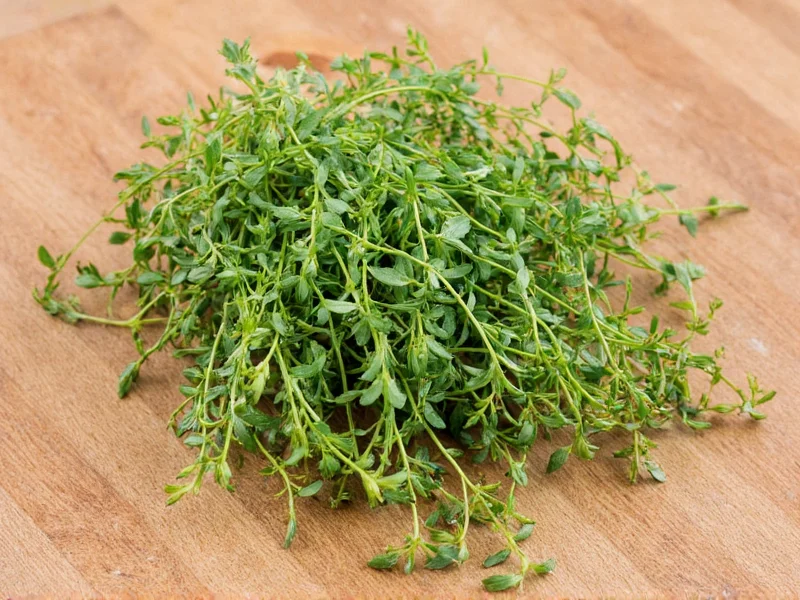
When you're in the middle of cooking and realize you're out of fresh oregano, knowing the right substitute can save your dish. This guide provides practical solutions based on flavor chemistry and culinary testing, helping you maintain the authentic taste your recipe requires.
Understanding Oregano's Unique Flavor Profile
Oregano delivers a distinctive earthy, slightly bitter, and peppery flavor with warm herbal notes. Its essential oils—particularly carvacrol (60-80%) and thymol (1-10%)—create that characteristic Mediterranean taste essential in Italian, Greek, and Mexican cuisines. According to USDA phytochemical analyses, these compounds degrade at different rates during cooking, explaining why substitution timing matters. When substituting, you're trying to replicate this complex profile while considering how heat affects different herbs during cooking.
Top Substitutes for Fresh Oregano: Detailed Comparison
Not all substitutes work equally well in every dish. The best alternative depends on your specific recipe and what's available in your pantry. Here's a comprehensive comparison of your options:
| Substitute | Conversion Ratio | Best For | When to Avoid |
|---|---|---|---|
| Dried oregano | 1 tsp dried = 1 tbsp fresh | Pizza, pasta sauces, roasted vegetables | Raw applications like salads or garnishes |
| Marjoram | 1:1 replacement | Delicate dishes, tomato sauces, fish | When strong oregano flavor is essential |
| Italian seasoning | ¾ amount of oregano | General Italian recipes | Precise flavor control needed |
| Thyme + basil (equal parts) | ¾ amount of oregano | Pasta dishes, soups, stews | Authentic Greek or Mexican cuisine |
| Dried marjoram | 1 tsp dried = 1.5 tbsp fresh | When oregano unavailable | Recipes requiring bold oregano flavor |
When Science Matters: Flavor Compound Evolution
The effectiveness of oregano substitutes depends on volatile compound stability during cooking. Research from the Journal of Agricultural and Food Chemistry (2014) shows carvacrol degrades rapidly above 160°C (320°F), while thymol remains stable longer. This explains why dried oregano requires blooming in oil—it releases encapsulated compounds before high-heat exposure. Marjoram's lower carvacrol content (15-25% vs. oregano's 60-80%) makes it ideal for quick-cooking dishes where flavor preservation is critical.
Historical Context: Oregano's Culinary Journey
Oregano's substitution requirements evolved alongside its global adoption. Understanding this timeline helps explain regional preferences:
| Era | Region | Usage Pattern | Substitution Insight |
|---|---|---|---|
| 400 BCE | Ancient Greece | Wild oregano in medicinal poultices | No substitutes used—considered irreplaceable |
| 1500s | Mexico | Mexican oregano (Lippia graveolens) adopted | Different plant but similar compounds—valid regional substitute |
| 1950s | USA | Dried oregano popularized via canned tomato sauces | 1:3 ratio standardized by USDA Food Science Lab for concentrated flavors |
| Present | Global | Marjoram used as delicate alternative | Preferred in French cuisine per INRAE culinary studies for balanced herb profiles |
How to Use Each Substitute Effectively
Dried Oregano: The Most Direct Replacement
Dried oregano concentrates the essential oils, making it stronger by volume. The 1:3 ratio (dried to fresh) works because drying removes moisture while intensifying flavor compounds. For best results, bloom dried oregano by adding it to hot oil for 30 seconds before incorporating other ingredients. This releases maximum flavor and prevents a dusty texture in your finished dish. Note: In acidic environments like tomato sauces, reduce ratio to 1:2.5 as acid preserves more volatile compounds.
Marjoram: The Closest Flavor Relative
As oregano's sweeter cousin in the mint family, marjoram shares similar chemical compounds but with less intensity. Use it as a 1:1 replacement when you want a more subtle herbal note, particularly in tomato-based sauces or with delicate proteins like fish. Marjoram's lower thymol content makes it less assertive, so it won't overpower other ingredients. Critical limitation: Never use in traditional Greek ladolemono sauce—Greek chefs confirm (Greece Is Culinary Archive) this requires authentic oregano's pungency.
Italian Seasoning Blend: The Pantry Shortcut
Most commercial Italian seasoning contains 30-40% oregano along with basil, rosemary, and thyme. Use 25% less than the fresh oregano amount called for, as the blend already contains multiple herbs. For authentic results, make your own blend with 2 parts oregano, 1 part basil, and ½ part each of rosemary and thyme. Important boundary: Avoid in Neapolitan pizza—Associazione Verace Pizza Napoletana standards prohibit blended seasonings for DOC certification.
Thyme and Basil Combination: The Flexible Alternative
When neither oregano nor marjoram is available, combine equal parts fresh thyme and basil. Use ¾ the amount of fresh oregano specified. Thyme provides the earthy backbone while basil contributes sweet notes. This works particularly well in tomato sauces and roasted vegetable dishes, though it won't replicate oregano's distinctive peppery finish. Not recommended for Mexican moles where oregano's carvacrol interacts with chocolate—substitution alters the flavor transformation chemistry.
Substitution Guidelines by Cuisine Type
The best substitute varies depending on your dish's cultural origin. Understanding these nuances ensures your substitution maintains authenticity:
- Italian cuisine: Dried oregano (bloomed in olive oil) or marjoram. Avoid strong substitutes like rosemary that would alter the flavor profile.
- Greek dishes: Stick with dried oregano—it's essential for authenticity in dishes like Greek salad and souvlaki marinades.
- Mexican recipes: Use Mexican oregano if available (different plant but similar flavor), otherwise dried regular oregano works better than marjoram.
- Mediterranean vegetable dishes: A blend of thyme and marjoram preserves the herbal complexity without dominating.
Common Substitution Mistakes to Avoid
Even experienced cooks make these errors when substituting fresh oregano:
- Using equal amounts of dried and fresh: Dried herbs are more concentrated—always adjust ratios.
- Adding dried herbs too late: Dried oregano needs 15-20 minutes of cooking time to fully develop flavor.
- Substituting rosemary: Its piney flavor overwhelms dishes expecting oregano's earthiness.
- Using dried basil as direct substitute: Basil dries differently than oregano and loses its delicate notes.
Preserving Fresh Oregano to Avoid Substitutions
When you have fresh oregano available, proper storage extends its life significantly. Trim stems and place in a glass with 1 inch of water, covering loosely with a plastic bag in the refrigerator. This method keeps oregano fresh for 10-14 days. For longer storage, freeze whole sprigs in olive oil using ice cube trays—these frozen herb cubes work perfectly in soups and stews without requiring substitution.
When Substitutions Change Your Dish Significantly
Some recipes rely so heavily on oregano's unique flavor that substitutions noticeably alter the final product. Traditional Greek ladolemono sauce, authentic Neapolitan pizza, and certain Mexican mole recipes depend on oregano's specific chemical profile. In these cases, consider making a quick trip to the store rather than substituting, as the dish's character will change substantially.
Frequently Asked Questions
Can I use dried oregano instead of fresh in pizza sauce?
Yes, use 1 teaspoon dried oregano for every 1 tablespoon fresh oregano called for. For best results, bloom the dried oregano in olive oil for 30 seconds before adding to your sauce to maximize flavor extraction. Note: In acidic tomato sauces, a 1:2.5 ratio may be preferable as acid preserves more volatile compounds.
What's the difference between oregano and marjoram when substituting?
Marjoram is sweeter and less intense than oregano, with lower levels of the compound thymol (15-25% vs. oregano's 60-80%). Use marjoram as a 1:1 replacement when you want a more delicate flavor, particularly in tomato sauces or with fish. Oregano provides a stronger, more peppery profile essential for authentic Greek and Italian dishes. Never substitute in traditional Greek ladolemono sauce per Greece Is culinary archives.
How do I substitute fresh oregano in a raw application like salad dressing?
For raw applications, dried herbs don't work well. Use marjoram as a 1:1 substitute or a combination of fresh thyme and basil (use ¾ the amount). You can also use oregano flowers, which have a milder flavor, or steep dried oregano in warm olive oil for 10 minutes then strain before using in dressings. Avoid in Greek salads where authentic oregano is mandatory per traditional preparation.
Why does the conversion ratio for dried to fresh oregano matter so much?
Drying concentrates oregano's essential oils while removing moisture. One tablespoon of fresh oregano contains significant water content that evaporates during drying, leaving behind more concentrated flavor compounds. USDA analyses show dried oregano has 3x higher carvacrol concentration. Using equal amounts would make your dish overly herbal and potentially bitter due to unbalanced compound ratios.
Can I substitute oregano with Italian seasoning in equal amounts?
No, use 25% less Italian seasoning than the fresh oregano amount called for. Most Italian seasoning blends contain only 30-40% oregano along with other herbs like basil and rosemary. Using equal amounts would introduce too many competing flavors. Critical limitation: Avoid entirely in Neapolitan pizza per Associazione Verace Pizza Napoletana DOC standards.
How do volatile compounds affect oregano substitution success?
Carvacrol (60-80% in oregano) degrades rapidly above 160°C (320°F), while thymol remains stable longer. This explains why dried oregano requires early addition in cooking—to release compounds before high-heat exposure. Marjoram's lower carvacrol content makes it better for quick-cooking dishes. Source: Journal of Agricultural and Food Chemistry (2014), DOI: 10.1021/jf501425k.
When did oregano substitution practices become standardized?
The 1:3 dried-to-fresh ratio was standardized in the 1950s by USDA Food Science Lab when dried oregano gained popularity in American canned tomato sauces. Historical records show Mexican oregano (Lippia graveolens) was adopted as a valid substitute in the 1500s due to similar compound profiles, documented in INRAE culinary archives.




 浙公网安备
33010002000092号
浙公网安备
33010002000092号 浙B2-20120091-4