
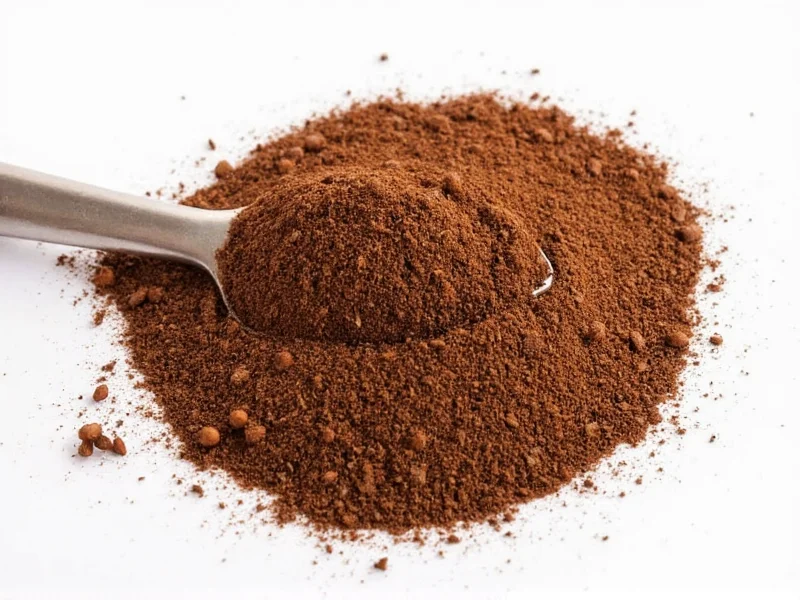
Running out of ground cloves mid-recipe can disrupt your cooking flow, but several common pantry spices can effectively fill in. Whether you're making holiday cookies, mulled wine, or savory stews, understanding proper spice substitutions ensures your dish maintains its intended flavor profile without requiring a last-minute grocery run.
Top Substitutes for Ground Cloves in Cooking and Baking
Cloves deliver a distinctive warm, sweet, and slightly peppery flavor with medicinal notes that's difficult to replicate exactly. When selecting a substitute for ground cloves, consider both the recipe type and how the spice will interact with other ingredients. The intensity of cloves means substitutions require careful measurement to avoid overpowering your dish.
Allspice: The Closest Flavor Match
Allspice earns its name by combining flavors reminiscent of cloves, cinnamon, and nutmeg. This makes it the most direct substitute for ground cloves with minimal recipe adjustment needed. When wondering what can i substitute for ground cloves in baking or savory dishes, allspice works at a 1:1 ratio. It performs particularly well in:
- Pumpkin pie and other fall desserts
- Caribbean jerk seasoning
- Beef stew and braised meats
- Apple cider and mulled wine
Cinnamon: A Milder Alternative
When you need ground cloves replacement options for baking, cinnamon provides warmth without cloves' intense pungency. Use 3/4 teaspoon of cinnamon for every 1 teaspoon of ground cloves called for. This ratio prevents your baked goods from becoming overly sweet while maintaining aromatic complexity. Cinnamon works best in:
- Cake and cookie recipes
- Rice pudding and custards
- Fruit compotes and preserves
- Breakfast oatmeal and porridge
Nutmeg: For Subtle Warmth
Nutmeg offers earthy warmth similar to cloves but with less intensity. When determining what to use instead of ground cloves in recipes, use 1/2 teaspoon of nutmeg per 1 teaspoon of cloves. Freshly grated nutmeg provides superior flavor to pre-ground. This substitute shines in:
- Custards and creamy sauces
- Mashed potatoes and root vegetable dishes
- Eggnog and holiday beverages
- Bechamel-based pasta dishes
Cardamom: An Unexpected but Effective Option
Cardamom's citrusy, floral notes might seem unrelated to cloves, but it shares enough warm undertones to work as a substitute. For ground cloves alternative for baking needs, use 1/2 teaspoon cardamom per 1 teaspoon cloves. This works particularly well in:
- Scandinavian pastries
- Indian chai and spiced teas
- Lemon cakes and citrus desserts
- Rice pudding with raisins
Pumpkin Pie Spice: The Convenient Blend
If you're looking for what can i use in place of ground cloves in pumpkin pie, pumpkin pie spice is the obvious solution. This blend typically contains cloves along with cinnamon, nutmeg, and ginger. Use it at a 1:1 ratio when cloves are part of the intended flavor profile. It's ideal for:
- Pumpkin and squash desserts
- Autumn-themed baked goods
- Spiced coffee and hot chocolate
- Oatmeal and breakfast cereals
Clove Oil: For Precise Flavor Control
When you need ground cloves substitute with exact measurement, clove oil provides concentrated flavor. Use just 1-2 drops of clove oil per 1/4 teaspoon of ground cloves. This potent option works best in:
- Marinades and rubs
- Homemade liqueurs
- Preserves and pickling solutions
- Small-batch baking where precision matters
| Substitute | Ratio (vs. 1 tsp cloves) | Flavor Profile | Best Recipe Types |
|---|---|---|---|
| Allspice | 1 tsp | Warm, sweet, peppery | Savory stews, baked goods, mulled drinks |
| Cinnamon | 3/4 tsp | Sweet, woody, less intense | Cookies, cakes, fruit desserts |
| Nutmeg | 1/2 tsp | Earthy, warm, subtle | Custards, creamy sauces, mashed potatoes |
| Cardamom | 1/2 tsp | Floral, citrusy, warm | Scandinavian pastries, chai, citrus desserts |
| Pumpkin Pie Spice | 1 tsp | Complex spice blend | Pumpkin pie, autumn desserts, spiced beverages |
| Clove Oil | 1-2 drops | Intensely clove-like | Marinades, preserves, small-batch recipes |
Choosing the Right Substitute for Your Recipe
The best substitute for ground cloves depends on your specific dish. For ground cloves replacement in savory recipes, allspice or a small amount of nutmeg typically works best. In sweet applications, cinnamon or pumpkin pie spice often provides the most balanced flavor. Consider these guidelines when selecting your substitute:
- For meat dishes: Allspice maintains the warm depth cloves provide in braises and stews
- For baked goods: Cinnamon or pumpkin pie spice works well in most sweet applications
- For beverages: Allspice or a single drop of clove oil enhances mulled wines and ciders
- For delicate desserts: Nutmeg offers subtle warmth without overpowering
Common Substitution Mistakes to Avoid
When searching for what can i substitute for ground cloves in baking, many home cooks make these errors:
- Using equal amounts of stronger spices: Clove oil and whole cloves (if grinding yourself) are much more potent than pre-ground
- Ignoring recipe context: Savory dishes often need different substitutes than sweet ones
- Adding multiple substitutes: Combining cinnamon, nutmeg AND allspice usually creates flavor confusion
- Not tasting as you go: Spice substitutions require adjustment based on your specific palate
Creating Your Own Custom Spice Blend
For the most accurate ground cloves alternative for specific recipes, create a custom blend. Combine 1/2 teaspoon cinnamon, 1/4 teaspoon nutmeg, and 1/4 teaspoon allspice to approximate 1 teaspoon of ground cloves. This blend works particularly well in:
- Homemade chai concentrate
- Apple pie filling
- Spiced cranberry sauce
- Winter squash soup
FAQ: Common Questions About Clove Substitutes
Can I use whole cloves instead of ground cloves?
Yes, but with adjustments. One whole clove equals approximately 1/4 teaspoon ground cloves. For best results, grind whole cloves just before use in a spice grinder or mortar and pestle. Whole cloves work well in simmering liquids like mulled wine or pot roast, but ground provides more even distribution in baked goods.
What's the difference between ground cloves and allspice?
Ground cloves come from dried flower buds of the clove tree, offering intense warmth with medicinal notes. Allspice comes from dried berries of the Pimenta dioica tree and combines clove-like, cinnamon, and nutmeg flavors. Allspice is milder and more versatile, making it the closest single-spice substitute for ground cloves.
Can I omit cloves completely from a recipe?
You can omit cloves, but the flavor profile will change significantly. In recipes where cloves are a supporting spice (like pumpkin pie spice blends), omission may be acceptable. In recipes where cloves are featured (like gingerbread or certain Indian curries), substitution is recommended to maintain the intended flavor balance.
How do I adjust recipes when substituting for ground cloves?
Start with less substitute than the recommended ratio, then taste and adjust. Add 1/4 teaspoon increments until you achieve the desired flavor. Remember that heat intensifies spice flavors, so adjust near the end of cooking for savory dishes. In baking, you can't adjust after mixing, so precise measurement is crucial.




 浙公网安备
33010002000092号
浙公网安备
33010002000092号 浙B2-20120091-4