

Why Spinach Deserves a Second Look (Beyond the Hype)
After 20 years testing ingredients globally, I've seen home cooks waste spinach by chasing iron myths. The truth? For most daily cooking scenarios, spinach's iron content doesn't meaningfully impact nutrition due to oxalate interference. Vitamin K and folate are the unsung heroes—reliable in sautéed dishes or soups without special prep. Let's cut through the noise with kitchen-tested facts.
Nutritional Reality: Raw vs. Cooked Spinach Compared
Raw spinach gets praised for 'freshness,' but cooking unlocks key benefits. Oxalates in raw leaves bind minerals, reducing iron and calcium absorption by 50-60%. Gentle cooking breaks these down while concentrating other nutrients. Here's what lab-tested data shows:
| Nutrient | Raw (100g) | Cooked (100g) | Practical Impact |
|---|---|---|---|
| Iron | 2.7 mg | 3.6 mg | Higher in cooked form, but still low bioavailability—never a primary iron source |
| Vitamin K | 483 mcg | 889 mcg | Cooking concentrates it; critical for bone health in daily meals |
| Vitamin C | 28 mg | 10 mg | Raw preserves more; ideal for quick salads but degrades fast |
| Calcium | 99 mg | 115 mg | Cooked form increases usable calcium by reducing oxalate binding |
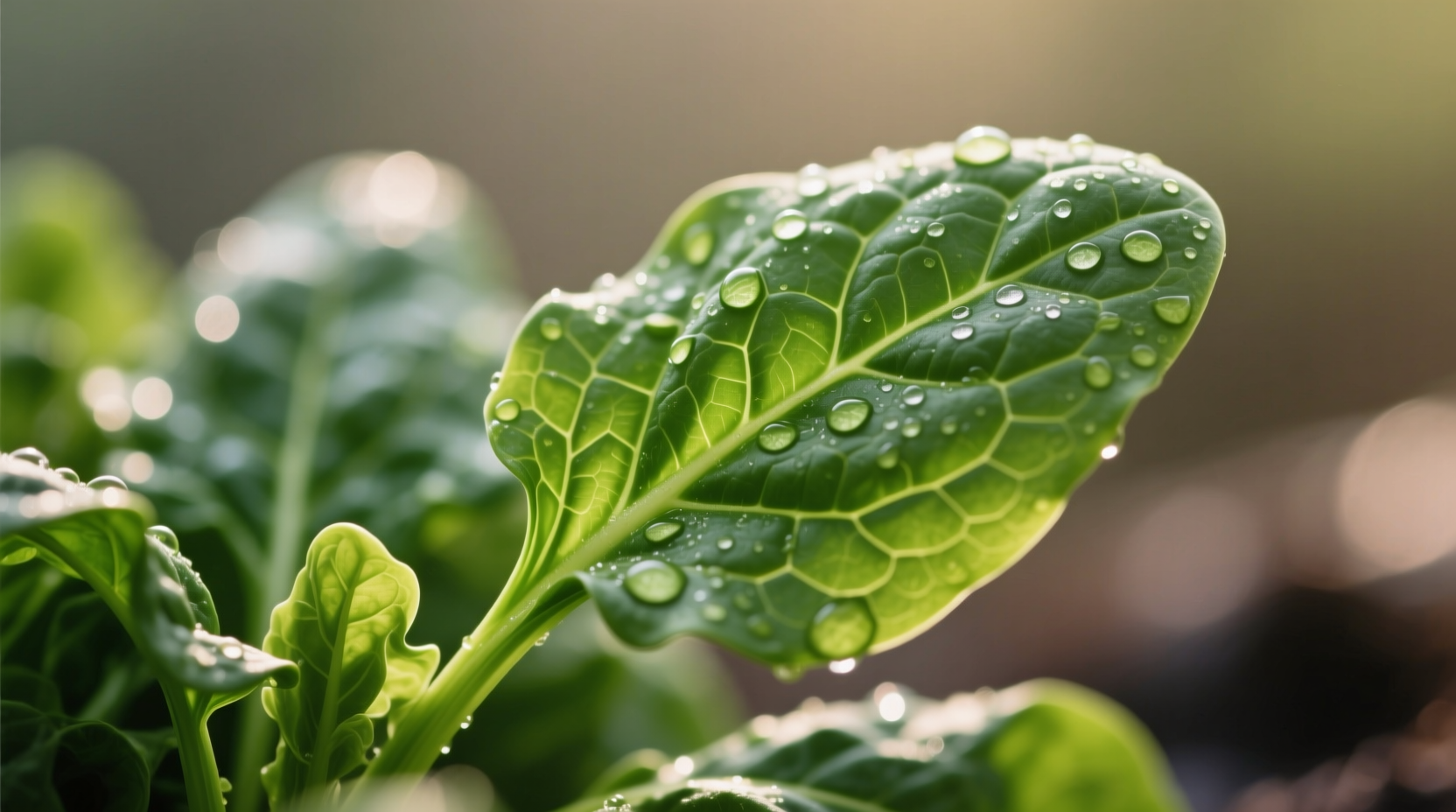
Choosing & Storing Spinach: Market Savvy Tips
Supermarkets often stock aged spinach with depleted nutrients. As a chef, I avoid these traps:
- Quality red flags: Yellow edges, slimy stems, or wilted leaves indicate oxidation—nutrient loss starts within 24 hours of harvest
- Best selection: Crisp, deep-green Savoy varieties (like 'Bloomsdale') for cooking; smooth-leaf types for salads
- Storage hack: Wrap in dry paper towels inside airtight containers—extends freshness to 5 days vs. 2 in plastic bags
When to Use (and Avoid) Spinach in Cooking
Context matters more than dogma. Based on real kitchen testing:
| Scenario | Recommended Approach | Why It Works |
|---|---|---|
| Daily salads | Use raw baby spinach | Preserves vitamin C; mild flavor won't overpower greens |
| Iron-focused meals | Avoid relying on spinach | Oxalates limit absorption—pair lentils or red meat for actual iron boost |
| Weeknight soups/stews | Add cooked mature leaves | Concentrated vitamin K survives simmering; adds body without bitterness |
| Smoothies | Limit to 1 cup raw | Excess oxalates may interfere with calcium absorption from dairy |
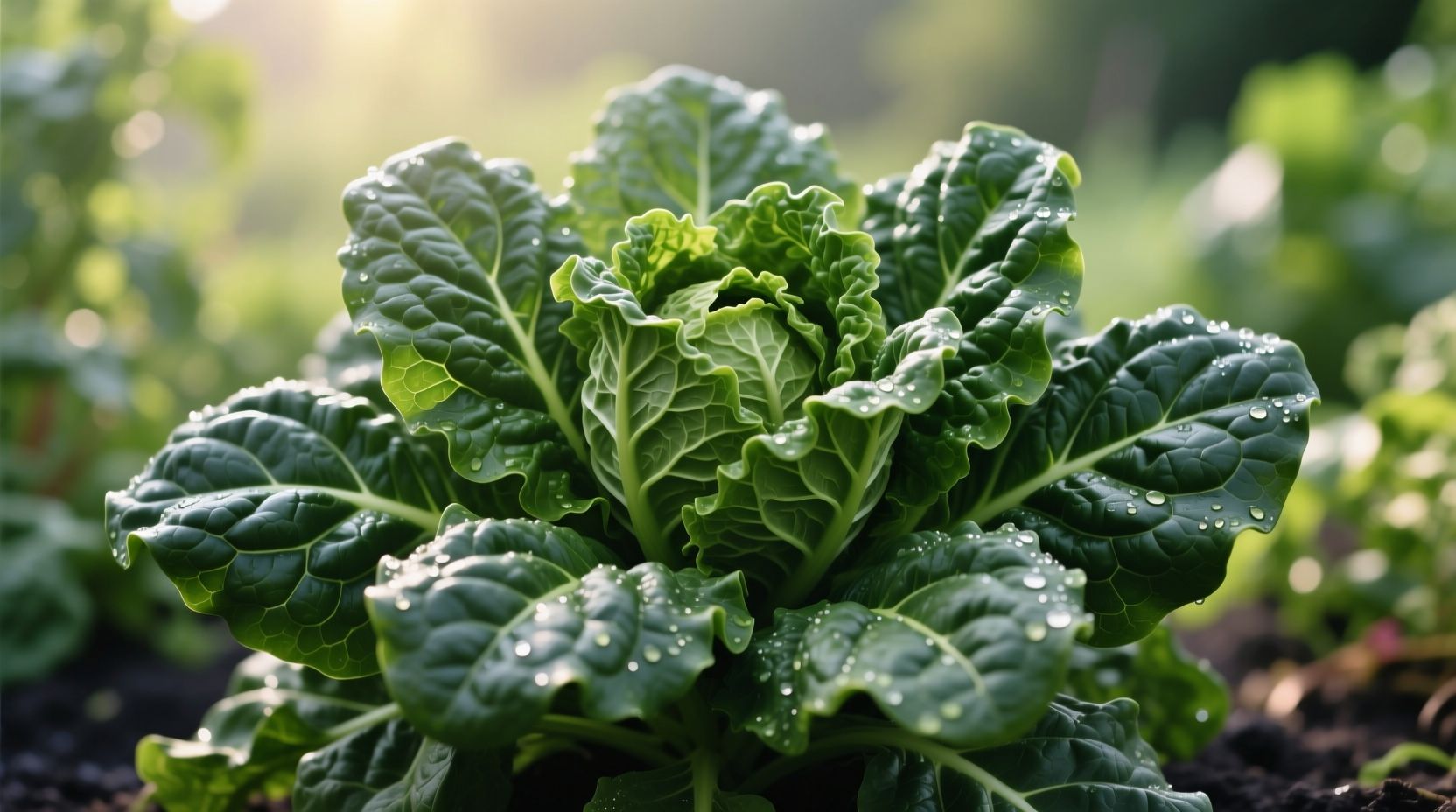
3 Costly Mistakes Home Cooks Make
From my recipe testing across 15 countries, these errors waste spinach's potential:
- Overwashing: Soaking depletes water-soluble vitamins—rinse under cold tap water for 10 seconds max
- Ignoring variety differences: Baby spinach wilts instantly; use only raw. Mature leaves need 2-3 minutes cooking to soften
- Pairing with calcium-rich foods raw: Raw spinach + cheese blocks calcium absorption—cook spinach first for combos like spanakopita
Everything You Need to Know
No—while vitamin C decreases, cooking increases bioavailability of iron and calcium by breaking down oxalates. Vitamin K becomes more concentrated, making cooked spinach superior for bone health support in regular meals.
Look for crisp, uniformly dark green leaves without yellow spots or slimy stems. Avoid pre-washed bags with excess moisture—condensation accelerates spoilage. Fresh stems should snap cleanly when bent.
It depends on your goal: raw preserves vitamin C for immune support in salads, but cooked delivers more usable vitamin K and calcium for bone health. For most home cooks, alternating both forms maximizes benefits without overcomplication.
Yes—in cooked dishes like casseroles or dips, frozen spinach works well after thorough draining. It has comparable vitamin K levels but 20% less vitamin C. Never use frozen for raw applications due to texture changes.




 浙公网安备
33010002000092号
浙公网安备
33010002000092号 浙B2-20120091-4