
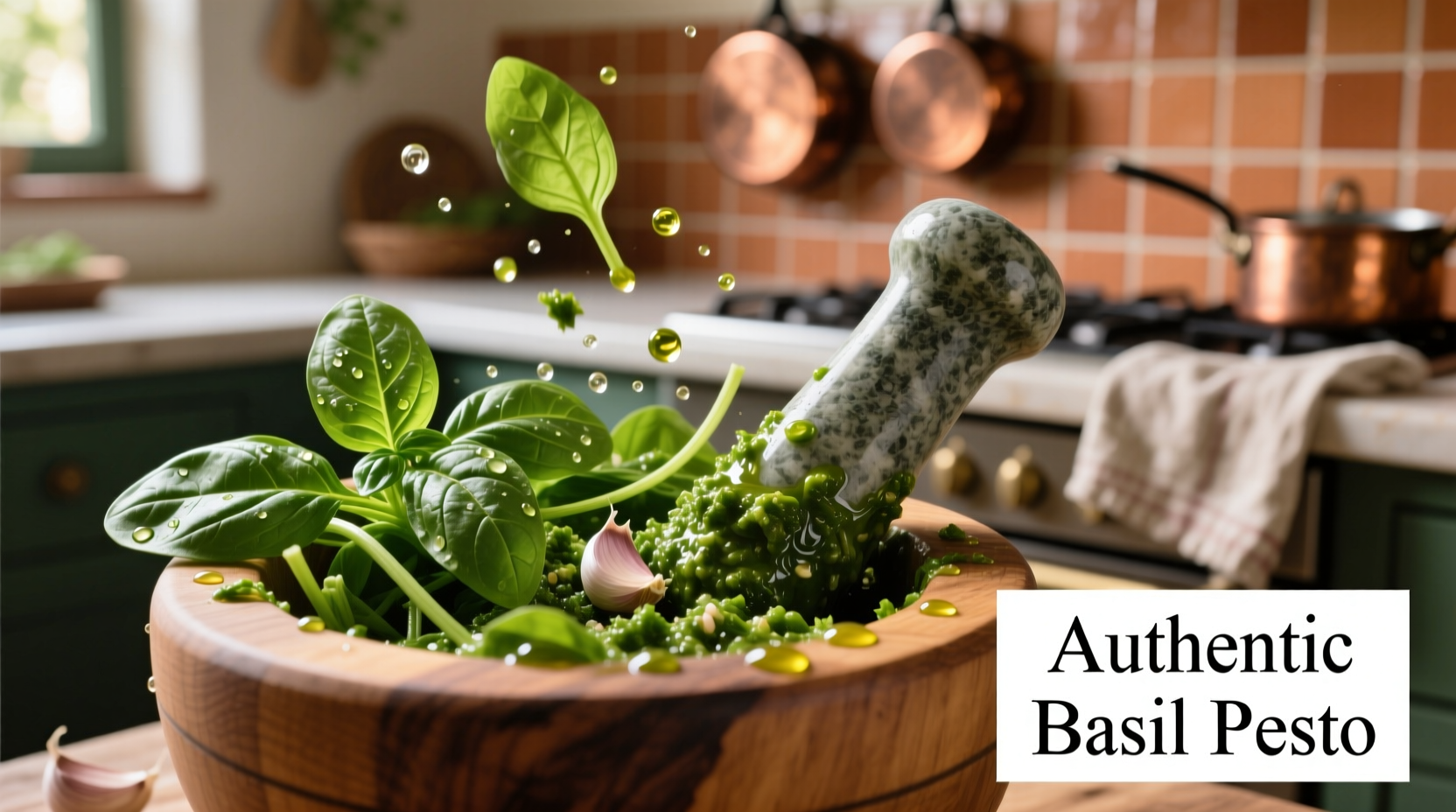
Discover why home cooks and professional chefs increasingly choose spinach basil pesto over traditional recipes. This versatile sauce maintains the beloved basil flavor while adding nutritional benefits that make it ideal for health-conscious meal preparation without sacrificing taste.
Why Spinach Elevates Classic Pesto
Adding spinach to traditional pesto creates a nutritional powerhouse while preserving the signature flavor profile. The mild earthiness of spinach complements rather than overwhelms the basil, resulting in a sauce that's both familiar and refreshingly new. Professional chefs appreciate how spinach helps maintain the vibrant green color longer than traditional pesto, which tends to oxidize and brown more quickly.
| Characteristic | Traditional Pesto | Spinach Basil Pesto |
|---|---|---|
| Color retention | Browns within hours | Maintains green hue for 3-4 days |
| Vitamin A content | 15% DV per 2 tbsp | 65% DV per 2 tbsp |
| Vitamin K content | 20% DV per 2 tbsp | 180% DV per 2 tbsp |
| Iron content | 2% DV per 2 tbsp | 10% DV per 2 tbsp |
Data sourced from USDA FoodData Central comparing standard pesto ( basil, pine nuts, olive oil, Parmesan) with spinach basil pesto (adding 1 cup fresh spinach per standard recipe).
Perfect Spinach Basil Pesto Recipe
This professional-tested recipe delivers restaurant-quality results with simple ingredients and equipment you likely already have. The key is using fresh, high-quality components and following proper technique.
Ingredients You'll Need
- 2 cups fresh basil leaves, packed
- 1 cup fresh spinach, tightly packed
- ⅓ cup pine nuts (toasted for enhanced flavor)
- 3 garlic cloves, peeled
- ½ cup freshly grated Parmesan cheese
- ½ cup extra-virgin olive oil
- Salt to taste (about ¼ teaspoon)
- 1 tablespoon lemon juice (freshly squeezed)
Step-by-Step Preparation
- Toast the pine nuts: Heat a dry skillet over medium-low heat. Add pine nuts and toast for 3-4 minutes until golden, stirring frequently to prevent burning.
- Prepare ingredients: Wash and thoroughly dry basil and spinach. Excess water will make your pesto watery.
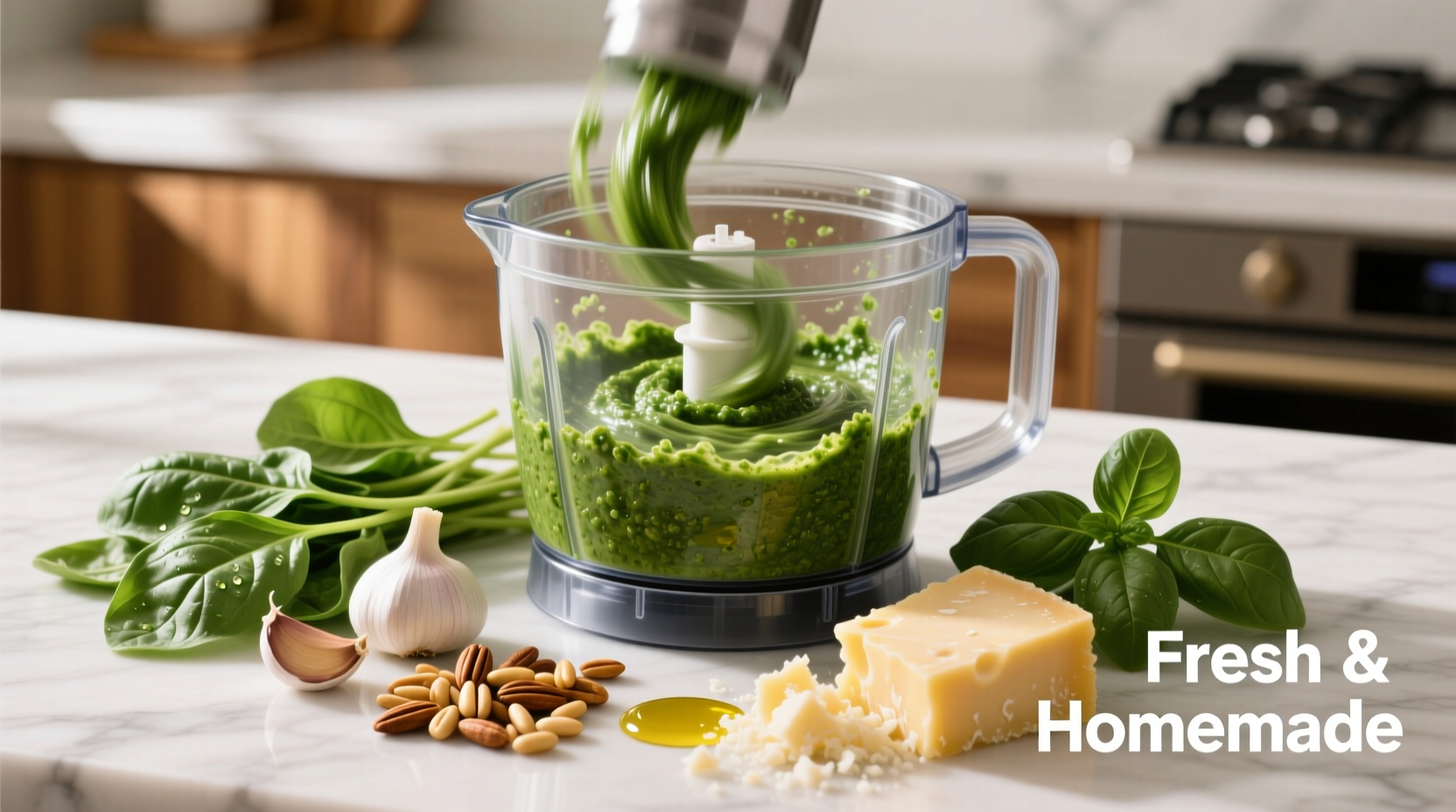
- Combine in food processor: Add basil, spinach, toasted pine nuts, and garlic to food processor. Pulse until coarsely chopped.
- Emulsify with oil: With processor running, slowly drizzle in olive oil until smooth. Scrape down sides as needed.
- Add cheese and seasoning: Stop processor, add Parmesan, lemon juice, and salt. Pulse to combine.
- Adjust consistency: For thinner pesto, add additional olive oil one tablespoon at a time until desired consistency.
Pro Chef Techniques for Best Results
Professional kitchens achieve consistently perfect pesto through specific techniques that home cooks can easily replicate:
Preventing Oxidation and Browning
The lemon juice in our recipe helps, but professional chefs use an additional trick: blanch the spinach briefly (15-20 seconds) in boiling water, then immediately plunge into ice water. This deactivates enzymes that cause browning while preserving nutrients. Spinach basil pesto properly stored with this technique maintains its vibrant color for 4-5 days.
Texture Troubleshooting Guide
Encountering issues with your pesto texture? Here's how professional chefs adjust:
- Too thick: Add olive oil one tablespoon at a time while blending
- Too thin: Add more nuts or cheese, 1 tablespoon at a time
- Grainy texture: Ensure all ingredients are at room temperature before blending
- Bitter taste: Reduce garlic amount or use younger, milder garlic cloves
Storage Timeline and Food Safety
Proper storage is crucial for maintaining quality and safety of homemade pesto. The FDA recommends following these guidelines for homemade sauces containing fresh ingredients:
| Storage Method | Duration | Quality Notes |
|---|---|---|
| Refrigerated (airtight container) | 4-5 days | Top with thin layer of olive oil to prevent oxidation |
| Refrigerated (ice cube trays) | 1 month | Freeze portions, then transfer to freezer bags |
| Freezer (airtight container) | 6 months | Remove air pockets to prevent freezer burn |
According to FDA food safety guidelines, fresh herb-based sauces like pesto should be consumed within 5 days when refrigerated to prevent potential bacterial growth.
Creative Serving Suggestions Beyond Pasta
While spinach basil pesto shines on pasta, professional chefs utilize it in diverse applications that showcase its versatility:
Breakfast Applications
- Spread on avocado toast instead of regular pesto
- Mix into scrambled eggs or frittatas
- Use as a base for healthy breakfast pizza
Lunch and Dinner Innovations
- As a sandwich spread that won't make bread soggy
- Marinade for chicken, fish, or tofu (let sit 30 minutes)
- Base for grain bowls with quinoa, roasted vegetables, and protein
- Drizzle over roasted potatoes for Mediterranean-inspired side
Appetizers and Snacks
- Thin with broth for a quick soup base
- Mix with Greek yogurt for a protein-rich dip
- Stuff into cherry tomatoes for elegant appetizers
Nutritional Benefits Worth Noting
Spinach basil pesto transforms a traditionally calorie-dense sauce into a nutrient-rich condiment. The addition of spinach significantly boosts the vitamin profile while maintaining the healthy fats from olive oil and nuts. A two-tablespoon serving provides:
- 65% of your daily Vitamin A needs (supports vision and immune function)
- 180% of Vitamin K (essential for blood clotting and bone health)
- 10% of iron requirements (particularly valuable for plant-based diets)
- Healthy monounsaturated fats from olive oil (supports heart health)
Unlike store-bought versions that often contain preservatives and excess sodium, homemade spinach basil pesto lets you control ingredients for maximum health benefits. The healthy fats in pesto actually enhance absorption of fat-soluble vitamins from other foods when served as part of a meal.
Customization Options for Dietary Needs
Professional chefs adapt this versatile recipe to accommodate various dietary requirements while maintaining excellent flavor:
Nut Substitutions
For those with nut allergies or preferences, try these alternatives to pine nuts:
- Walnuts: Earthy flavor, rich in omega-3s
- Almonds: Milder taste, creates smoother texture
- Sunflower seeds: Nut-free option with similar texture
- Pumpkin seeds: Adds subtle sweetness, great for fall dishes
Vegan Adaptation
Replace Parmesan with:
- 2 tablespoons nutritional yeast plus ¼ teaspoon salt
- Vegan Parmesan alternatives (check for nut-free options if needed)
- 1 tablespoon white miso paste for umami depth
Lower-Fat Version
Maintain creaminess while reducing calories:
- Replace half the olive oil with vegetable broth
- Add 2-3 tablespoons of the pasta cooking water when serving
- Increase spinach ratio to 1.5 cups for more volume with fewer calories
Common Questions Answered
Professional chefs frequently address these questions from home cooks exploring spinach basil pesto:




 浙公网安备
33010002000092号
浙公网安备
33010002000092号 浙B2-20120091-4