
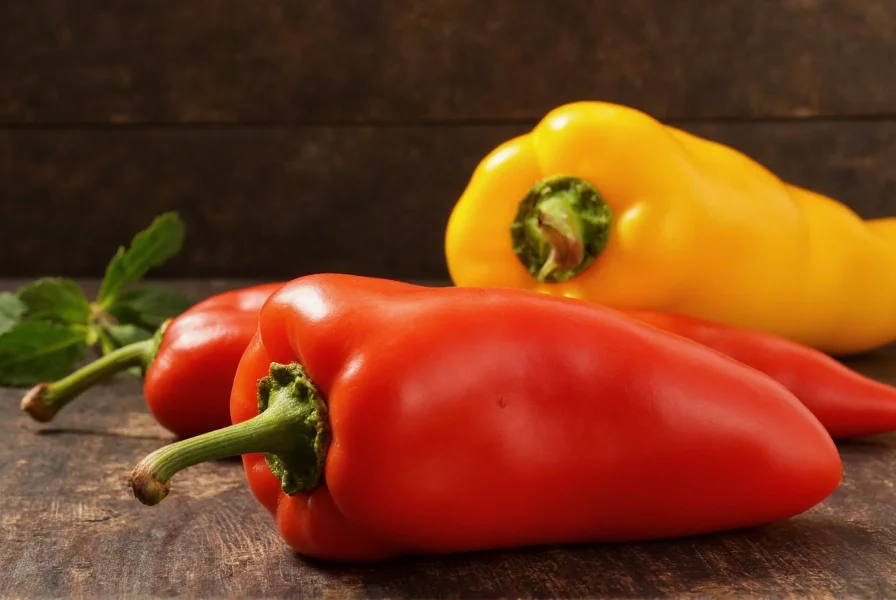
Understanding spicy peppers goes beyond just their heat measurement. These vibrant fruits—yes, botanically they're fruits—have shaped culinary traditions worldwide while offering surprising health benefits. Let's explore what makes these peppers special, how to select the right variety for your needs, and how to use them safely and effectively.
The Science Behind the Burn: Capsaicin Explained
When you bite into a spicy pepper, the burning sensation comes from capsaicin, a chemical compound concentrated in the pepper's placenta (the white ribs inside). Capsaicin triggers TRPV1 receptors in your mouth that normally respond to heat, creating the illusion of actual temperature increase. This evolutionary adaptation deters mammals from eating the peppers while allowing birds—which don't feel the burn—to disperse the seeds.
Interestingly, capsaicin production varies based on growing conditions. Stressors like drought, temperature fluctuations, and soil composition can increase capsaicin concentration, making peppers hotter than typical for their variety. This explains why the same pepper variety might taste different when grown in various regions.
The Global Journey of Chili Peppers: A Historical Timeline
Chili peppers have a rich history that spans continents and centuries. Originally domesticated in the Americas, their spread was catalyzed by global exploration. Here's a verified timeline of key milestones based on archaeological and historical records:
| Time Period | Event | Significance |
|---|---|---|
| 7500 BCE | Early domestication in Mesoamerica | Archaeological evidence from sites in Mexico and Peru indicates chili peppers were among the first domesticated crops in the Americas. (University of New Mexico Chile Pepper Institute) |
| 1493 | Columbus introduces peppers to Europe | Christopher Columbus brought chili peppers to Spain, mistakenly believing them to be a variety of black pepper. This initiated their global dispersal. (National Center for Biotechnology Information) |
| 1542 | Portuguese traders spread peppers to Asia | Chili peppers reached India and other parts of Asia via Portuguese trade routes, rapidly becoming integral to local cuisines. (National Center for Biotechnology Information) |
| 1912 | Development of the Scoville scale | Pharmacist Wilbur Scoville created the first standardized method for measuring pepper heat, revolutionizing how we quantify spiciness. (American Chemical Society) |
| 2013 | Carolina Reaper certified as world's hottest | The Guinness World Records officially recognized the Carolina Reaper as the hottest pepper, with an average of 1.6 million Scoville Heat Units. (Guinness World Records) |
Spicy Pepper Varieties and Their Heat Levels
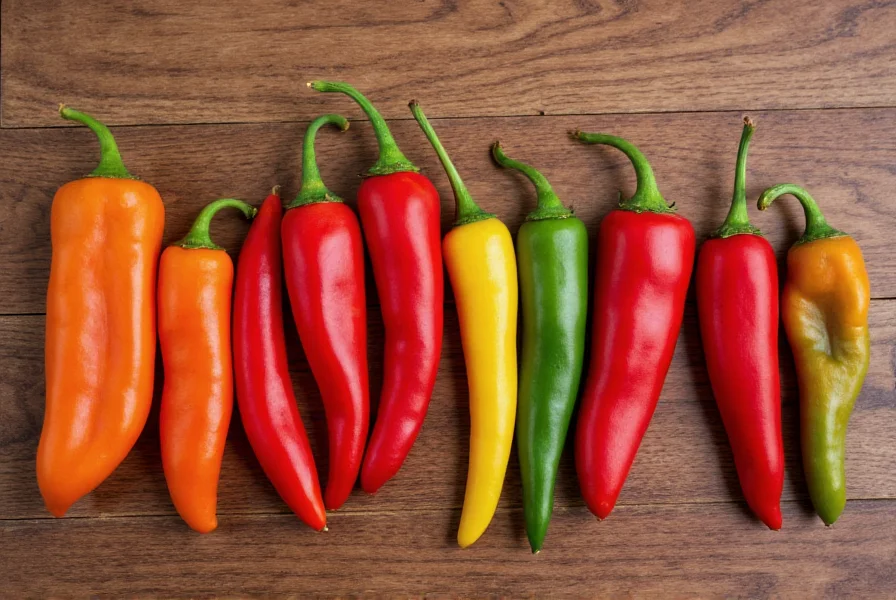
With hundreds of varieties available, understanding the spectrum of spicy peppers helps you select the right heat level for your culinary needs. The Scoville scale measures heat intensity in Scoville Heat Units (SHU), originally determined by dilution testing and now measured through high-performance liquid chromatography.
| Pepper Variety | Scoville Heat Units | Flavor Profile | Common Culinary Uses |
|---|---|---|---|
| Bell Pepper | 0 SHU | Sweet, vegetal | Raw in salads, stuffed peppers, stir-fries |
| Poblano | 1,000-2,000 SHU | Earthy, mild heat | Chiles Rellenos, mole sauce, roasted dishes |
| Jalapeño | 2,500-8,000 SHU | Grassy, bright | Salsas, nachos, pickled peppers, infusions |
| Habanero | 100,000-350,000 SHU | Fruity, floral | Hot sauces, Caribbean cuisine, marinades |
| Ghost Pepper (Bhut Jolokia) | 800,000-1,041,427 SHU | Smoky, sweet initially | Extreme hot sauces, competitive eating |
| Carolina Reaper | 1,400,000-2,200,000 SHU | Fruity, then intense heat | Specialty hot sauces, novelty challenges |
Culinary Applications of Different Spicy Peppers
Professional chefs and home cooks alike leverage specific spicy pepper varieties to achieve desired flavor profiles beyond just heat. Understanding these applications transforms your cooking:
Mild spicy peppers for beginners like poblanos and Anaheim peppers provide subtle warmth without overwhelming other flavors. They work well in dishes where you want pepper flavor without intense heat, such as stuffed peppers or mild salsas. Roasting these varieties enhances their natural sweetness while mellowing the heat.
Medium-heat varieties including jalapeños and serranos offer the perfect balance for most palates. They provide noticeable heat while maintaining distinct flavor notes. These peppers excel in fresh salsas, guacamole, and as toppings for tacos and nachos. The white ribs contain the highest concentration of capsaicin, so removing them reduces heat while preserving flavor.
High-heat peppers like habaneros and Scotch bonnets bring tropical fruit notes along with significant heat. These work best when used sparingly to flavor sauces, marinades, and Caribbean dishes. Their fruity character complements mango, pineapple, and citrus flavors beautifully.
Health Benefits of Spicy Peppers Backed by Research
Beyond their culinary value, spicy peppers offer several scientifically supported health benefits. Capsaicin has been studied for its potential effects on metabolism, pain relief, and cardiovascular health.
Regular consumption of moderate amounts of spicy peppers correlates with lower mortality rates according to a Journal of the American College of Cardiology study. The research followed over 500,000 participants and found those who consumed spicy foods 6-7 days per week had a 14% lower risk of death compared to those who ate them less than once a week.
Capsaicin also shows promise for weight management. It may increase thermogenesis (calorie burning) and reduce appetite. A study published in Appetite journal found participants who consumed capsaicin before meals ate approximately 74 fewer calories during that meal.
Consumer Perspectives on Spicy Peppers: A Data-Driven Summary
Public attitudes toward spicy peppers reveal nuanced adoption patterns that influence culinary trends. According to the International Food Information Council's comprehensive 2020 Food and Health Survey, which polled 1,000 U.S. adults using scientifically validated methodology:
- 68% of respondents enjoy spicy foods, with millennials (74%) showing higher acceptance than baby boomers (61%)
- 42% actively seek spicier options compared to five years prior, indicating a growing tolerance for heat
- 31% avoid extremely hot peppers (habanero and above) due to concerns about digestive discomfort
- Top reasons for consuming spicy foods: flavor enhancement (82%), cultural authenticity (49%), and perceived health benefits (37%)
This data highlights the expanding but context-dependent appeal of spicy peppers in contemporary diets. (Source: IFIC Foundation 2020 Food and Health Survey)
Safety Considerations When Handling Spicy Peppers
Working with extremely hot spicy peppers requires proper precautions to avoid discomfort or injury. The most important rule: never touch your face after handling hot peppers, especially before washing your hands thoroughly.
For serious pepper handling, consider these safety measures:
- Wear nitrile gloves (latex won't protect against capsaicin)
- Use separate cutting boards for hot peppers
- Avoid touching your face or eyes during preparation
- Work in a well-ventilated area (capsaicin can become airborne)
- Have dairy products nearby to neutralize accidental burns (milk, yogurt)
If you experience skin irritation from handling hot peppers, apply milk or yogurt to the affected area. For eye exposure, flush with water for several minutes and seek medical attention if irritation persists. Remember that capsaicin is oil-soluble, so water alone won't remove it effectively.
Growing Spicy Peppers at Home Successfully
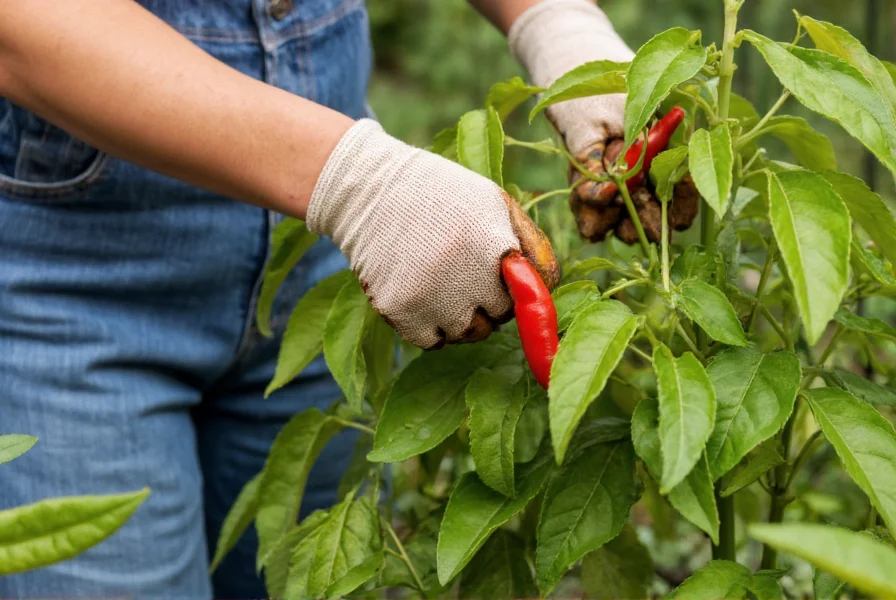
Many gardening enthusiasts enjoy growing their own spicy peppers for freshness and variety. Successful cultivation requires attention to several key factors:
Start seeds indoors 8-10 weeks before your last frost date. Spicy pepper seeds need warm soil (75-85°F) to germinate properly. Use a seedling heat mat if necessary. Once seedlings develop their second set of true leaves, transplant them into larger containers.
When transplanting outdoors, choose a location with full sun (6-8 hours daily) and well-draining soil. Spicy peppers thrive in slightly acidic soil (pH 6.0-6.8). Water consistently but avoid overwatering, which can cause root rot. Mulching helps maintain soil moisture and temperature.
To increase heat production in your homegrown peppers, introduce mild stressors once plants are established: allow soil to dry slightly between waterings, and ensure plants receive adequate sunlight. Remember that heat levels can vary significantly even within the same plant based on these growing conditions.
Conclusion: Embracing the World of Spicy Peppers
Spicy peppers represent one of nature's most fascinating culinary gifts, offering diverse flavors, heat levels, and health benefits. Whether you're a beginner exploring mild spicy peppers for beginners or an experienced heat-seeker working with the hottest spicy peppers, understanding their characteristics helps you use them effectively.
By selecting the right variety for your needs, handling them safely, and incorporating them thoughtfully into your cooking, you can enjoy the full spectrum of what these remarkable plants offer. The journey through the world of spicy peppers—from the gentle warmth of poblanos to the intense fire of Carolina Reapers—reveals not just heat, but complex flavors that have enriched global cuisines for centuries.
Frequently Asked Questions
What makes some spicy peppers hotter than others?
The heat in spicy peppers comes from capsaicin and related compounds called capsaicinoids. The concentration of these compounds varies by pepper variety due to genetics, but is also influenced by growing conditions. Factors like soil composition, water stress, temperature fluctuations, and sunlight exposure can increase capsaicin production, making peppers hotter than typical for their variety. The white placental tissue inside peppers contains the highest concentration of capsaicin, which is why removing the ribs and seeds reduces heat significantly.
How can I reduce the heat of a dish that's too spicy?
To reduce excessive heat in a dish, add dairy products like yogurt, sour cream, or milk, as the casein protein binds with capsaicin. Acidic ingredients such as lime juice or vinegar can also help neutralize the heat. Adding more of the other ingredients (like tomatoes, beans, or rice) dilutes the spiciness. Sugar or honey can counterbalance heat with sweetness. Avoid drinking water, which spreads capsaicin rather than neutralizing it. For immediate mouth relief, chew on a small amount of sugar or eat a spoonful of peanut butter.
Are there health risks associated with consuming extremely hot spicy peppers?
While most people can safely consume moderately spicy peppers, extremely hot varieties (above 500,000 SHU) pose potential risks. These include severe gastrointestinal distress, temporary breathing difficulties, and in rare cases, more serious complications like esophageal tears from violent vomiting. People with certain conditions like irritable bowel syndrome, acid reflux, or stomach ulcers should be cautious with spicy foods. When trying extremely hot peppers, start with tiny amounts, have dairy products available, and never consume them on an empty stomach. Competitive eating of super-hot peppers has resulted in hospitalizations, so approach extreme heat varieties with appropriate caution.
How should I store fresh spicy peppers to maximize their shelf life?
Fresh spicy peppers should be stored in the refrigerator's crisper drawer in a paper bag or perforated plastic bag to maintain humidity without trapping excess moisture. Properly stored, most varieties last 2-3 weeks. For longer storage, wash and dry peppers thoroughly, then freeze them whole on a baking sheet before transferring to freezer bags—they'll keep for 6-8 months and can be used directly from frozen in cooked dishes. Alternatively, you can dry peppers by threading them on string and hanging in a warm, dry place, or using a food dehydrator. Dried peppers stored in airtight containers away from light can last up to a year while maintaining flavor and heat.




 浙公网安备
33010002000092号
浙公网安备
33010002000092号 浙B2-20120091-4