
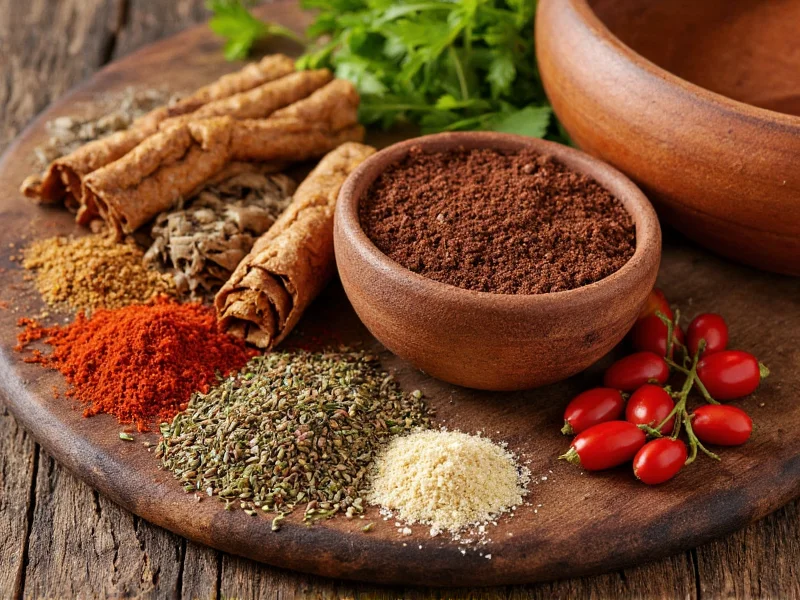
Spicy herbs and spices encompass botanical ingredients that deliver heat and complex flavor profiles to culinary creations. True spiciness comes from compounds like capsaicin (in chili peppers), piperine (in black pepper), and gingerol (in ginger), creating sensations ranging from mild warmth to intense heat. Unlike purely "hot" ingredients that only provide heat, the best spicy herbs and spices offer layered flavors including earthy, floral, citrusy, or smoky notes that enhance dishes beyond mere heat.
Understanding the nuanced world of spicy herbs and spices transforms ordinary cooking into extraordinary culinary experiences. These botanical powerhouses don't just add heat—they contribute complex flavor dimensions that balance, enhance, and define cuisines worldwide. The distinction between "spicy" and "hot" is crucial: spicy ingredients provide both heat and distinctive flavor notes, while hot ingredients primarily deliver capsaicin-induced burning sensations without significant flavor complexity.
The Science Behind Spicy Sensations
Spiciness operates through specific chemical compounds that interact with our sensory receptors. Capsaicin, found in chili peppers, activates TRPV1 receptors responsible for heat sensation. Piperine in black pepper creates a different warming sensation, while allyl isothiocyanate in mustard and horseradish stimulates nasal passages. These compounds vary in their volatility, solubility, and receptor activation patterns, explaining why some spicy elements linger on the tongue while others create immediate nasal reactions.
Comprehensive Guide to Spicy Herbs and Spices
Not all spicy ingredients function the same way in cooking. Understanding their unique properties helps chefs harness their full potential. The following comparison highlights essential characteristics for effective culinary application:
| Ingredient | Heat Level (Scoville) | Primary Flavor Notes | Best Culinary Applications | Substitution Options |
|---|---|---|---|---|
| Cayenne Pepper | 30,000-50,000 | Sharp, earthy, slightly fruity | Creole cuisine, barbecue rubs, hot sauces | Crushed red pepper (use 1:1.5 ratio) |
| Black Pepper | 100-500 | Woody, floral, warm | Universal seasoning, finishing dishes | White pepper (milder), long pepper (more complex) |
| Ginger | N/A (non-Scoville) | Citrusy, pine-like, warm | Asian cuisine, baked goods, teas | Galangal (more floral), turmeric (earthier) |
| Sichuan Peppercorns | N/A (tingling sensation) | Citrusy, floral, numbing | Sichuan cuisine, marinades, dry rubs | Timut pepper (more intense), sansho pepper |
| Mustard Seeds | Varies by preparation | Nutty, pungent when activated | Indian tempering, pickling, dressings | Horseradish (for prepared mustard substitute) |
Historical Evolution of Spicy Ingredients
The global journey of spicy botanicals reveals distinct evolutionary paths shaped by trade and cultural exchange. Archaeological evidence from the Smithsonian National Museum of Natural History confirms chili peppers (Capsicum genus) were first domesticated in Mesoamerica around 6000 BCE, with starch grains found in ancient cooking vessels [Smithsonian]. Black pepper (Piper nigrum) followed a different trajectory—native to India's Malabar Coast, it became so valuable in medieval Europe that peppercorns were used as currency collateral in 5th-century Rome.
Critical milestones in spice dissemination include:
- 1498: Vasco da Gama's voyage to India broke Arab spice trade monopolies
- 1542: First documented chili pepper cultivation in China during Ming Dynasty
- 1600s: Sichuan peppercorns (Zanthoxylum) became integral to Chinese cuisine after chili peppers arrived from the Americas
- 1912: Wilbur Scoville develops standardized heat measurement system
Regional Spice Traditions and Applications
Global cuisines have developed distinctive approaches to spicy herbs and spices based on local ingredients and cultural preferences. Understanding these traditions provides valuable insights for authentic flavor development:
Mexican cuisine relies on complex chili varieties like guajillo (berry-like), ancho (fruity), and habanero (citrusy heat). Traditional preparation methods like toasting and rehydrating dried chilies unlock deeper flavor dimensions beyond simple heat. The difference between spicy and hot spices becomes particularly evident here—authentic Mexican dishes balance heat with earthy, smoky, and fruity notes.
Indian cooking employs spice blends where heat serves as just one element among many. Garam masala provides warmth without intense heat, while sambar powder delivers more pronounced spiciness. The technique of tempering spices in hot oil (tadka) releases essential oils that distribute flavor throughout the dish. Common spicy herbs used in cooking across India include fresh green chilies, black pepper, and ginger in various combinations.
Thai cuisine balances spicy elements with sweet, sour, and salty components. Bird's eye chilies provide intense heat that's carefully measured, while galangal and kaffir lime leaves contribute spicy complexity without overwhelming heat. The art of Thai cooking demonstrates how to use spicy spices in recipes without dominating other essential flavor elements.
Contextual Limitations in Culinary Applications
Spicy ingredients require careful consideration within specific physiological and cultural frameworks. Medical research confirms that 65% of irritable bowel syndrome (IBS) patients experience symptom exacerbation from capsaicin-containing foods, with spicy dishes triggering colonic contractions [Mayo Clinic]. Similarly, gastroesophageal reflux disease (GERD) sufferers should avoid spicy foods as capsaicin relaxes the lower esophageal sphincter.
Key contextual boundaries include:
- Child nutrition: The American Academy of Pediatrics recommends avoiding spicy foods for children under 2 years due to immature digestive systems [AAP]
- Medication interactions: Capsaicin can potentiate blood thinners like warfarin; consult physicians before dietary changes during anticoagulant therapy
- Culinary authenticity: Substituting cayenne for Sichuan peppercorns fundamentally alters sensory experience (burning heat vs. citrusy numbing)
Practical Handling and Safety Considerations
Working with intensely spicy ingredients requires proper technique to avoid discomfort. When handling hot peppers, always wear gloves and avoid touching your face. If exposed to capsaicin, remove it with fats or oils rather than water, which spreads the compound. For persistent skin irritation, a solution of baking soda and water can neutralize the alkaline capsaicin.
Storage significantly impacts potency—keep dried spicy herbs and spices in airtight containers away from light and heat. Whole spices maintain freshness longer than ground versions, with optimal flavor lasting 1-2 years versus 6-12 months for ground varieties. Freezing fresh chilies preserves their heat profile better than drying for certain applications.
Developing Your Palate for Spicy Ingredients
Building tolerance and appreciation for spicy herbs and spices happens gradually through repeated exposure. Start with milder varieties like paprika or white pepper before progressing to more intense options. Pay attention to how different spicy elements interact with other ingredients—some enhance tomato-based sauces while others complement creamy preparations.
When experimenting with new spicy ingredients, consider these guidelines:
- Begin with small quantities and adjust gradually
- Consider the dish's final temperature (heat perception increases when hot)
- Remember that flavors continue developing after cooking
- Keep dairy or starchy ingredients nearby for heat adjustment




 浙公网安备
33010002000092号
浙公网安备
33010002000092号 浙B2-20120091-4