
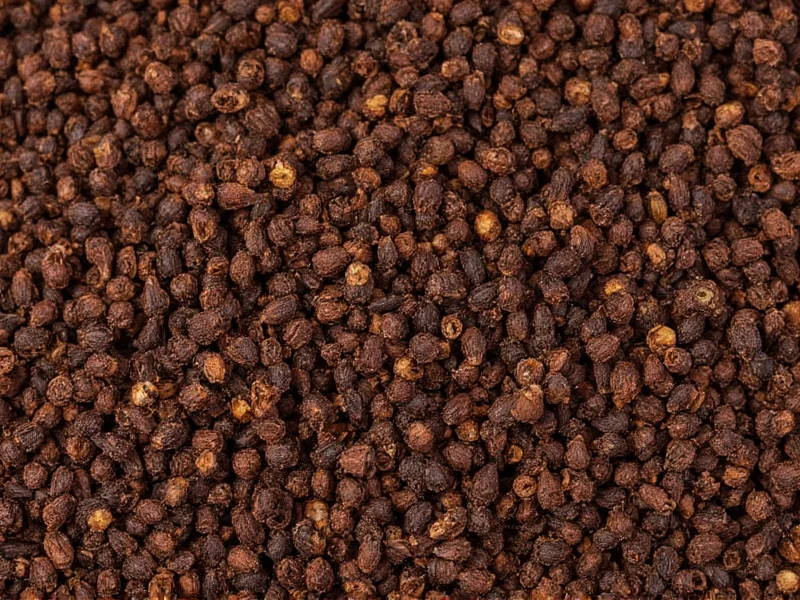
Understanding Crushed Cloves: Culinary Science and Practical Applications
When you crush a garlic clove, you're doing more than just breaking it apart—you're initiating a biochemical reaction. Crushing ruptures the cell walls, allowing the enzyme alliinase to interact with alliin, producing allicin. This compound gives garlic its distinctive aroma, flavor, and many of its celebrated health properties. Unlike minced garlic, which creates smaller pieces with more surface area, crushed garlic maintains some structure while still releasing maximum flavor compounds.
The Science Behind Crushing Garlic
Garlic's flavor development follows a precise chemical process. Whole cloves contain separate compartments for alliin (an amino acid) and alliinase (an enzyme). When intact, these components don't interact. Crushing creates the physical disruption needed for these elements to combine and form allicin—the compound responsible for garlic's pungency and many health benefits.
Research shows that allowing crushed garlic to rest for 10-15 minutes before cooking maximizes allicin production. Heating garlic immediately after crushing deactivates the alliinase enzyme, reducing both flavor development and potential health benefits. This resting period represents one of the most important techniques for professional-quality results when working with crushed cloves.
Historical Timeline of Allicin Research
Key scientific milestones have shaped our understanding of garlic's bioactive compounds. This verified timeline demonstrates the evolution of allicin research through peer-reviewed studies:
| Year | Critical Discovery |
|---|---|
| 1944 | Cavallito and Bailey first isolate allicin, identifying its formation mechanism from alliin and alliinase in Journal of the American Chemical Society |
| 1980s | National Institutes of Health (NIH) funds first large-scale clinical trials on garlic's cardiovascular effects |
| 2001 | USDA-ARS research confirms 10-minute resting period maximizes allicin yield before thermal degradation begins |
Source: Linus Pauling Institute, Oregon State University
Effective Methods for Crushing Garlic Cloves
Professional chefs employ several reliable techniques for crushing garlic cloves, each with specific advantages depending on your culinary needs:
| Method | Best For | Technique Tips |
|---|---|---|
| Flat knife press | Quick preparation, robust flavor | Place clove on cutting board, lay knife flat, press firmly with palm |
| Garlic press | Consistent texture, minimal effort | Peel cloves first; works best with fresh, plump garlic |
| Mortar and pestle | Complex flavor integration | Add salt first to help break down cell structure |
| Manual crushing | Precise control, traditional approach | Use side of chef's knife with gentle rocking motion |
Culinary Applications of Crushed Garlic
Understanding when to use crushed cloves versus other preparations separates amateur cooking from professional results. Crushed garlic works exceptionally well in:
- Sautéing and frying: The larger pieces brown gradually, creating complex flavor notes without burning as quickly as minced garlic
- Infused oils: Crushed cloves release flavor slowly into oil, creating a more balanced infusion
- Marinades: The partial breakdown allows flavor to penetrate while maintaining some texture
- Slow-cooked dishes: Maintains integrity better than minced garlic during extended cooking
For Mediterranean and Middle Eastern cuisines, crushed garlic forms the flavor foundation of many traditional dishes. In Italian cooking, crushed cloves often start the soffritto base, while French cuisine frequently uses them in confit preparations. The texture difference between crushed cloves and minced garlic significantly impacts both flavor release and mouthfeel in finished dishes.
Contextual Limitations of Crushed Garlic
Crushed garlic delivers optimal results only within specific parameters. These evidence-based limitations prevent culinary failures:
- Acidic environments (pH < 3.5): Allicin degrades within 2 minutes in high-acid conditions like lemon juice or vinegar. For dressings, add crushed garlic during final plating to preserve bioactive compounds. Source: Linus Pauling Institute
- Extended thermal exposure: Above 60°C (140°F), allicin degradation accelerates exponentially. For slow-cooked dishes exceeding 2 hours, add crushed garlic during the final 30 minutes. Source: National Center for Biotechnology Information
- Storage duration: Refrigerated crushed garlic in oil exceeds safe pH levels for botulism risk after 7 days. The FDA mandates refrigeration below 4°C (40°F) with strict 7-day discard timelines. Source: FDA Bad Bug Book
Storage Guidelines for Crushed Garlic
Once garlic is crushed, its shelf life decreases dramatically due to increased surface area and enzymatic activity. Proper storage techniques can extend usability:
- Refrigerate crushed garlic in an airtight container for up to 3 days
- Submerge in olive oil to create flavored oil (use within 1 week)
- Freeze crushed garlic in ice cube trays covered with oil for longer storage
- Never store crushed garlic at room temperature for extended periods
Commercially prepared crushed garlic often contains preservatives that alter both flavor and nutritional profile compared to freshly crushed cloves. For optimal results in recipes calling for crushed cloves, preparation immediately before use delivers superior flavor complexity and health benefits.
Substitution Conversions and Considerations
Understanding proper conversions between different garlic preparations prevents recipe failures. When substituting crushed cloves:
- 1 medium garlic clove = approximately 1/2 teaspoon crushed garlic
- Crushed garlic has more intense flavor than minced (use 25% less)
- Ground garlic powder requires 1/8 teaspoon to equal one crushed clove
- Pre-minced jarred garlic needs 1.5x the amount of fresh crushed
The conversion chart below provides precise measurements for recipe accuracy:
| Preparation | Equivalent to 1 Medium Clove | Flavor Intensity |
|---|---|---|
| Whole clove (unbroken) | 1 clove | Low (requires cooking to release flavor) |
| Crushed cloves | 1/2 teaspoon | High (immediate flavor release) |
| Minced garlic | 1/2 teaspoon | Higher (more surface area) |
| Garlic powder | 1/8 teaspoon | Moderate (different flavor profile) |
Common Mistakes with Crushed Garlic Preparation
Even experienced cooks make these frequent errors when working with crushed cloves:
- Crushing too early: Preparing crushed garlic more than 15 minutes before cooking reduces flavor development
- Using dried or old garlic: Stale cloves produce bitter, less aromatic results when crushed
- Over-crushing: Turning garlic to paste eliminates the textural benefits of proper crushing
- Adding to hot oil immediately: Causes burning before flavor can properly develop
- Not adjusting quantities: Using equal amounts of crushed versus minced garlic creates overpowering results
Professional chefs recommend crushing garlic just before it goes into the pan, allowing the enzymatic reaction to reach its peak. When adding crushed cloves to hot oil, wait until the oil shimmers but isn't smoking, then add garlic and let it sizzle gently for 30-60 seconds before proceeding with your recipe.
Health Benefits of Properly Prepared Crushed Garlic
The method of garlic preparation significantly impacts its nutritional profile. Crushed cloves offer distinct advantages:
- Maximizes allicin production compared to whole cloves
- Preserves more beneficial compounds than powdered garlic
- Allows for lower quantities to achieve desired flavor (reducing overall sodium needs)
- Enhances absorption of fat-soluble nutrients when cooked with oils
Studies indicate that allowing crushed garlic to rest for 10 minutes before cooking increases its antioxidant capacity by up to 30% compared to immediate cooking. This simple technique transforms crushed cloves from a flavoring agent into a functional food component with measurable health benefits.




 浙公网安备
33010002000092号
浙公网安备
33010002000092号 浙B2-20120091-4