
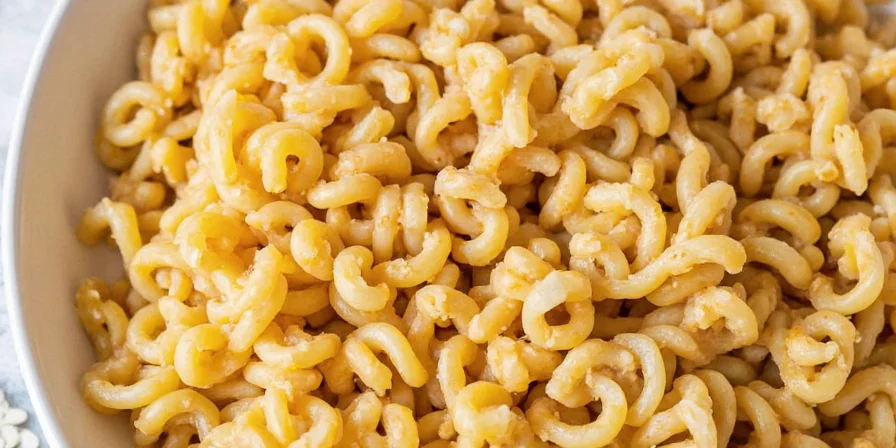
Spaetzle Noodles: The German Comfort Food That’s Surprisingly Spicy-Friendly!
If you’ve ever found yourself drooling over a bowl of spaetzle noodles, then you’re not alone. These soft, eggy dumplings from Southern Germany and parts of Austria and Switzerland are the kind of comfort food that could easily become your new obsession — especially when you start experimenting with spices.
But here’s the twist: while spaetzle might look innocent enough, they have this magical ability to soak up flavors like a sponge. And yes, that includes spicy ones too! So whether you're a spice enthusiast or just curious about how to give these traditional noodles a kick, you've come to the right place.
Table of Contents
- What Exactly Is Spaetzle?
- Spice It Up: How to Infuse Flavor into Spaetzle Dough
- Topping Ideas: From Mild to Wildly Spicy
- Cooking Tips for Perfect Spaetzle Every Time
- Pro-Level vs. Home-Cooked Spaetzle: What’s the Difference?
- Visual Comparison Table: Traditional vs. Spicy Spaetzle
- Final Thoughts & Your Turn to Experiment!
What Exactly Is Spaetzle?
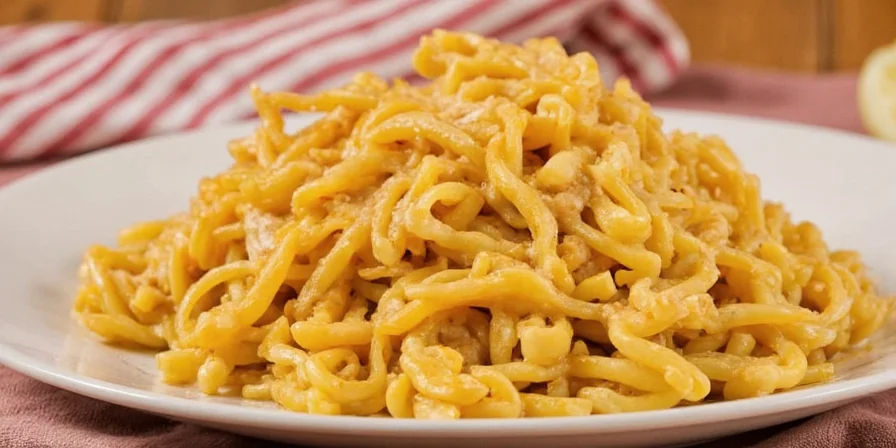
Let’s start at the beginning. Spaetzle (pronounced SHPAY-tsl) is a type of soft egg noodle or dumpling commonly made with flour, eggs, milk or water, and a pinch of salt. Unlike pasta, it's more rustic in texture and has a slightly irregular shape due to being hand-pressed through a spaetzle maker or colander into boiling water.

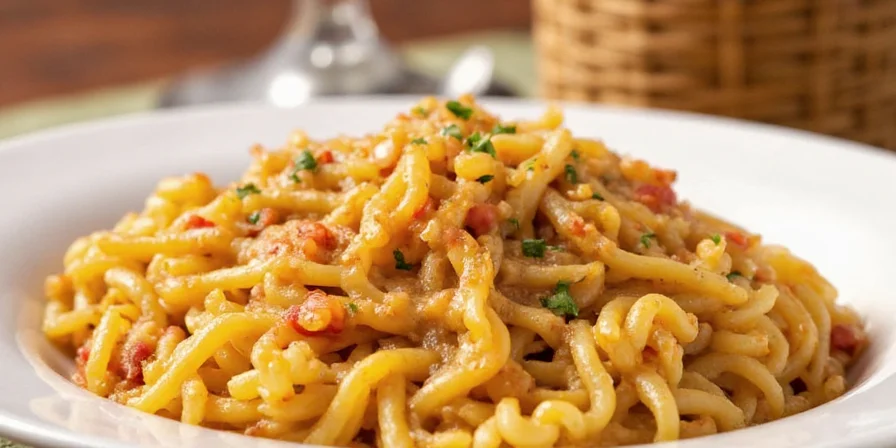
In traditional recipes, the flavor is quite mild, which makes spaetzle an ideal canvas for sauces, cheeses, and… wait for it… spices! Think paprika, cayenne, chili flakes, or even harissa-infused butter. Once you start playing with heat, the sky’s the limit.
Spice It Up: How to Infuse Flavor into Spaetzle Dough
So how do you turn basic spaetzle into something with a little fire without compromising its texture? Let’s break it down:
- Add powdered spices directly to the dough: Start with a small amount (¼–½ tsp) of ground chili, smoked paprika, or curry powder in the dry ingredients. Mix well before adding wet ingredients.
- Infuse your liquid base: Warm up your milk or water with whole spices like peppercorns, cardamom pods, or dried chilies. Strain before using.
- Use spiced butter or oil in the final step: After cooking, toss spaetzle in spiced butter or olive oil mixed with chili flakes or hot sauce for an extra zing.
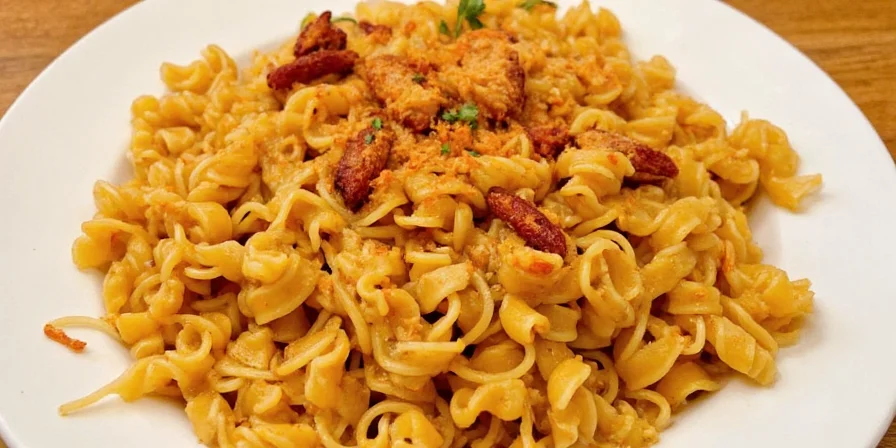
Quick Tip:
Want a smoky heat? Try adding a tiny dash of chipotle powder or smoked paprika. These pair beautifully with cheese-based toppings, which help balance the spice level.
Topping Ideas: From Mild to Wildly Spicy
The beauty of spaetzle lies in its versatility. You can serve it as a side dish or make it the star of the plate. Here are some topping ideas sorted by spice level:
| Spice Level | Topper Name | Description | Heat Level (1–5) |
|---|---|---|---|
| Mild | Butter & Herbs | Melted butter tossed with fresh parsley, thyme, and black pepper | 1 |
| Medium | Paprika Butter & Chives | Smoked paprika mixed into melted butter with snipped chives | 2 |
| Medium-Hot | Cheesy Jalapeño Sauce | Cheddar cheese sauce with diced pickled jalapeños | 3 |
| Hot | Harissa Brown Butter | Toasted brown butter blended with harissa paste and a touch of honey | 4 |
| Extra Hot | Spicy Sausage & Kimchi | Pan-seared chorizo crumbles served over spaetzle with fermented kimchi | 5 |
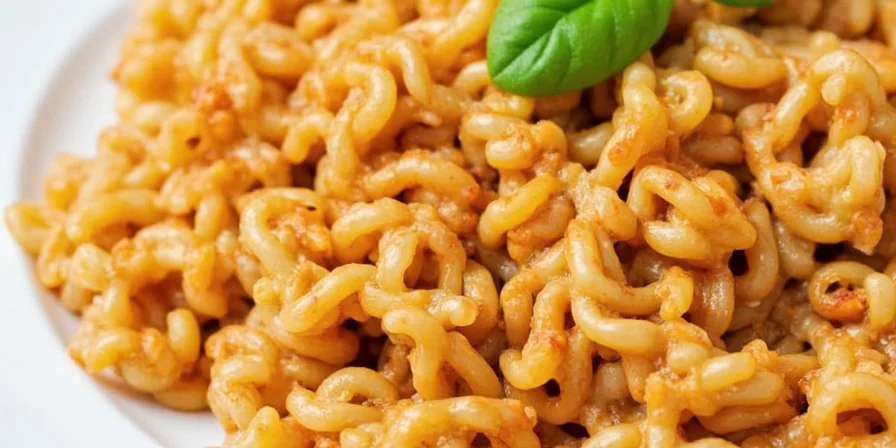
Cooking Tips for Perfect Spaetzle Every Time
Cooking spaetzle can be intimidating if you’re doing it for the first time. But don’t worry — once you get the hang of it, it becomes second nature. Here are a few tried-and-true tips:
- Rest the dough: Letting your batter sit for 15–30 minutes helps hydrate the flour, resulting in a smoother texture.
- Don’t overmix: Mix until just combined. Overmixing leads to tough, rubbery noodles.
- Use the right tool: A spaetzle maker or potato ricer works best, but in a pinch, a colander with large holes will do.
- Salt the water: Boil the spaetzle in generously salted water, just like pasta.
- Drain immediately: Don’t let them sit in water after cooking, or they’ll become soggy.
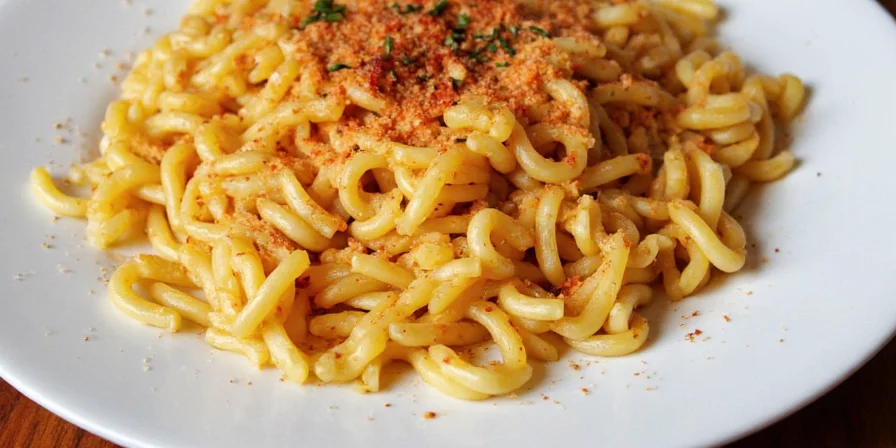
Pro Chef Hack:
If you want that signature golden crust on top (like in a baked spaetzle), fry them briefly in a pan with butter after boiling. This adds both crunch and depth of flavor — perfect for soaking up spicy sauces!
Pro-Level vs. Home-Cooked Spaetzle: What’s the Difference?
While homemade spaetzle is totally doable and rewarding, restaurant versions often have a few tricks up their sleeve. Let’s compare:
| Aspect | Home Cook | Professional Kitchen |
|---|---|---|
| Ingredients | All-purpose flour, eggs, milk | Type 405 or “00” flour for lighter texture |
| Dough Resting Time | Varies, sometimes skipped | Consistently rested for 30 mins+ |
| Equipment | Colander or spaetzle press | Industrial spaetzle machines |
| Flavor Infusion | Simple additions like herbs or salt | Multi-layered infusion with oils, broths, and pastes |
| Finishing Touch | Butter or sauce | Seared, baked, or flambéed finishes |
Visual Comparison Table: Traditional vs. Spicy Spaetzle
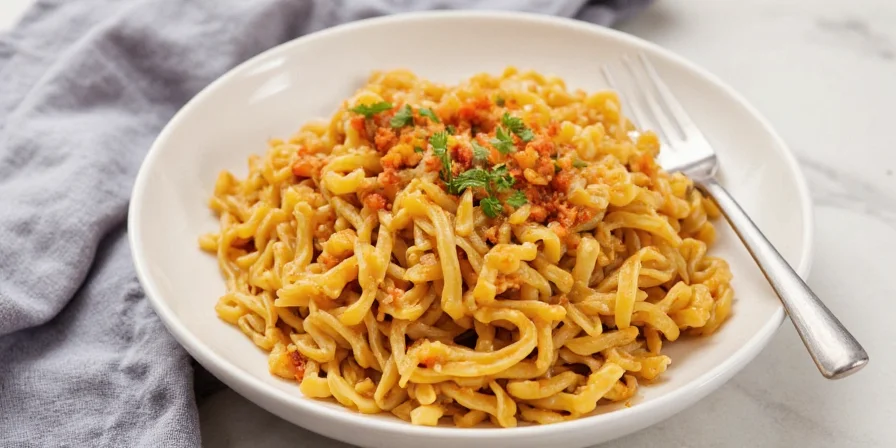
To better visualize the difference between classic spaetzle and its spicy sibling, check out this visual guide:
| Feature | Traditional Spaetzle | Spicy Spaetzle |
|---|---|---|
| Dough Base | Plain flour, eggs, milk | Same base with added chili powder, smoked paprika, or harissa |
| Taste Profile | Neutral, buttery | Warm, bold, earthy, or fiery depending on spice used |
| Best Toppings | Cheese, mushrooms, gravy | Kimchi, hot sausage, spicy cheese sauce |
| Texture | Soft, chewy, comforting | Same texture but with flavor punch |
Final Thoughts & Your Turn to Experiment!
Spaetzle isn't just a humble German staple — it’s a flavor sponge waiting for your culinary creativity. Whether you stick to tradition or go full-on spicy mode, one thing’s certain: once you try it your way, you’ll never look at plain old noodles the same again.
Ready to Get Cooking?
- Grab your favorite spices.
- Whisk up a batch of dough.
- Press, boil, toss, and enjoy!
And remember: there’s no wrong way to spice up your spaetzle. If you find a combo that sets your taste buds dancing — share it with friends or write it down for future reference. Who knows, you might just invent the next big trend in the world of spicy comfort food!
Conclusion
Whether you're a professional chef or a weekend kitchen warrior, spaetzle noodles offer endless possibilities — especially when it comes to spice. With the right techniques and a bit of experimentation, you can elevate this classic dish into something truly exciting.
From subtle warmth to fiery explosions of flavor, spaetzle proves that even the simplest foods can become extraordinary with the right touch of heat. So roll up your sleeves, grab your spaetzle press, and let those spices fly!




 浙公网安备
33010002000092号
浙公网安备
33010002000092号 浙B2-20120091-4