
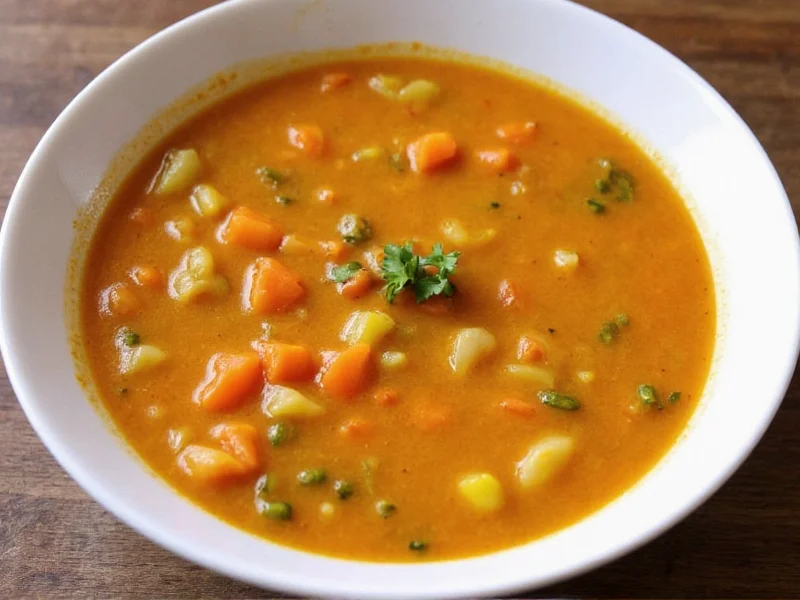
Vegetarian soups offer incredible versatility, nutrition, and comfort in a single bowl. Whether you're following a plant-based diet or simply looking to incorporate more meatless meals, these recipes provide satisfying flavors that even meat-lovers will enjoy. The secret to exceptional vegetarian soups lies in building deep, complex flavors through proper technique and ingredient combinations that compensate for the absence of meat broth.
Essential Foundations for Flavorful Vegetarian Soups
Creating restaurant-quality vegetarian soups at home starts with understanding flavor foundations. Unlike meat-based broths, vegetarian soups require strategic layering of umami-rich ingredients to achieve that satisfying depth. The holy trinity of mirepoix (onions, carrots, and celery) forms an excellent base, but vegetarian cooking benefits from additional umami boosters.
Key flavor enhancers include:
- Miso paste - adds complex fermented depth
- Dried mushrooms - creates natural glutamate richness
- Tomato paste - caramelized for deeper flavor
- Soy sauce or tamari - use sparingly for saltiness and umami
- Nutritional yeast - provides cheesy notes without dairy
- Roasted garlic - transforms sharpness into mellow sweetness
Proper technique matters as much as ingredients. Always sauté aromatics until deeply caramelized (not just softened), toast dried spices before adding liquids, and finish with fresh acid like lemon juice or vinegar to brighten flavors. These professional techniques transform simple ingredients into extraordinary vegetarian soup recipes that satisfy even the most discerning palates.
The Evolution of Vegetarian Soup Techniques
Vegetarian soup preparation has evolved significantly through centuries of culinary innovation and scientific discovery. Understanding this progression reveals why modern techniques create such profound depth:
- Ancient Civilizations (Pre-500 BCE): Early societies combined vegetables and grains in water-based stews. Archaeological evidence shows clay pots used for simmering plant-based broths across Mesopotamia and Egypt, as documented by the Metropolitan Museum of Art.
- Edo Period Japan (1603-1868): Miso soup became a dietary staple through fermented soybean techniques that preserved probiotics. Historical records from Japan's Ministry of Agriculture detail this development.
- 1908: Professor Kikunae Ikeda identified umami as the fifth basic taste and isolated glutamate from kombu seaweed. His findings were later confirmed by international research, as summarized in a PubMed Central review.
- Modern Era (2000s-Present): Chefs now strategically combine umami sources based on glutamate synergy principles, validated by culinary research at institutions like the Culinary Institute of America.
5 Exceptional Vegetarian Soup Recipes You'll Make Regularly
These carefully developed vegetarian soup recipes balance nutrition, flavor complexity, and approachability. Each recipe serves 4-6 people and can be easily doubled for meal prep.
| Soup Type | Prep Time | Cook Time | Key Nutritional Benefits |
|---|---|---|---|
| Classic Hearty Vegetable | 15 min | 30 min | High fiber, vitamin-rich, complete protein |
| Creamy Roasted Tomato Basil | 10 min | 25 min | Lycopene-rich, dairy-free creaminess |
| Spicy Black Bean & Sweet Potato | 10 min | 35 min | Protein-packed, blood sugar friendly |
| Japanese Miso with Tofu | 5 min | 15 min | Probiotic-rich, gut-healthy |
| Vegetarian French Onion | 20 min | 50 min | Prebiotic fibers, satisfying umami |
1. Classic Hearty Vegetable Soup
This versatile vegetable soup recipe forms the perfect canvas for seasonal produce. The secret to its rich flavor lies in the concentrated vegetable broth base and proper vegetable layering.
Ingredients
- 2 tbsp olive oil
- 1 large onion, diced
- 3 carrots, sliced
- 3 celery stalks, sliced
- 4 garlic cloves, minced
- 1 cup diced tomatoes
- 6 cups quality vegetable broth
- 2 cups chopped seasonal vegetables (zucchini, bell peppers, green beans)
- 1 cup cooked white beans
- 2 cups chopped kale
- 1 tsp dried thyme
- Salt and pepper to taste
Method
- Heat olive oil over medium heat and sauté onions, carrots, and celery until deeply caramelized (about 15 minutes)
- Add garlic and cook until fragrant (1 minute)
- Stir in tomato paste and cook for 2 minutes to deepen flavor
- Pour in vegetable broth and bring to simmer
- Add thyme and harder vegetables (carrots, celery), simmer 15 minutes
- Add remaining vegetables, beans, and kale, cook 10 more minutes
- Season with salt, pepper, and a splash of balsamic vinegar
2. Creamy Roasted Tomato Basil Soup
This dairy-free tomato soup achieves luxurious creaminess through roasted vegetables and careful emulsification. The roasting process transforms ordinary tomatoes into deeply flavorful soup base.
Key Technique
Roast 2 lbs tomatoes, 1 onion, and 4 garlic cloves at 400°F until caramelized (30-40 minutes). Blend with 2 cups vegetable broth until completely smooth before reheating. The natural pectin in tomatoes creates velvety texture without cream.
3. Spicy Black Bean and Sweet Potato Soup
This protein-packed soup combines Latin and Caribbean flavors for a satisfying meal. The sweet potatoes balance the heat while adding nutritional value.
Flavor Secret
Add 1 tsp cocoa powder with the spices - it deepens the flavor profile without making the soup taste chocolatey. Finish with fresh lime juice and cilantro for brightness.
4. Japanese Miso Soup with Tofu and Vegetables
A 15-minute soup that delivers complex umami with minimal effort. Traditional miso soup technique preserves the probiotic benefits while creating layered flavors.
Critical Tip
Never boil miso - it kills beneficial bacteria and creates unpleasant bitterness. Remove broth from heat, then whisk in 3-4 tbsp miso paste until dissolved. Add silken tofu and wakame just before serving.
Context Note: While miso provides probiotic benefits, those with soy allergies should substitute with chickpea miso. The Food Allergy Research & Education organization confirms chickpea miso as a safe alternative that maintains umami depth.
5. Vegetarian French Onion Soup
This meatless version of the classic achieves deep umami through meticulous caramelization and strategic umami boosters.
Professional Technique
Cook onions slowly over medium-low heat for 45-60 minutes until deeply browned (not just softened). Add 1 tsp soy sauce and 1 dried porcini mushroom (ground to powder) to the broth for authentic depth without beef stock.
Context Note: The prebiotic fibers in onions support gut health, but individuals with irritable bowel syndrome (IBS) may need modified versions. The International Foundation for Gastrointestinal Disorders recommends reducing onion content and using garlic-infused oil for IBS-friendly preparation.
Mastering Vegetarian Soup Texture and Balance
Texture plays a crucial role in vegetarian soup satisfaction. Unlike meat-based soups where collagen creates natural body, vegetarian soups require thoughtful thickening methods. Pureeing part of the soup creates instant body while maintaining freshness. For creamier textures without dairy, blend cooked potatoes, cauliflower, or white beans with the broth.
Acid balance separates good vegetarian soups from exceptional ones. Always finish with a splash of acid - lemon juice, apple cider vinegar, or sherry vinegar - to brighten flavors. The acid cuts through richness and makes flavors pop. Add acid gradually, tasting as you go, until the soup feels vibrant rather than flat.
Seasonal Adaptation Guide
Truly excellent vegetarian soup recipes adapt to seasonal ingredients. In spring, highlight asparagus, peas, and fresh herbs. Summer brings tomatoes, zucchini, and corn for vibrant chilled soups. Fall features squash, mushrooms, and root vegetables. Winter calls for hearty beans, kale, and warming spices. The base techniques remain consistent, but ingredient selection transforms the soup to match what's freshest and most flavorful.
Common Vegetarian Soup Mistakes and Solutions
Many home cooks encounter these common issues with vegetarian soups:
- Flat, one-dimensional flavor - Solution: Build layers with caramelized aromatics, toasted spices, and finish with acid. Context: This technique works for most soups but avoid excessive acid in delicate consommés where clarity is paramount.
- Watery texture - Solution: Puree part of the soup or add starchy vegetables like potatoes. Context: Ideal for hearty soups but counterproductive for clear broths like Vietnamese pho where texture transparency matters.
- Lacking umami depth - Solution: Incorporate miso, dried mushrooms, or tomato paste. Context: Universal solution, though low-sodium diets require reduced soy sauce and careful miso selection per American Heart Association guidelines.
- Overcooked vegetables - Solution: Add delicate vegetables in stages based on cooking time. Context: Critical for vegetable-forward soups; less relevant for pureed varieties where texture uniformity is expected.
- Soups that don't satisfy - Solution: Ensure adequate protein (beans, lentils, tofu) and healthy fats. Context: Essential for meal-replacement soups; appetizer portions may benefit from lighter formulations.
Nutritional Power of Well-Constructed Vegetarian Soups
Thoughtfully designed vegetarian soups deliver complete nutrition in a single bowl. The combination of vegetables, legumes, and whole grains provides complete protein through amino acid complementation. Fiber-rich ingredients promote gut health while the liquid format enhances nutrient absorption. Unlike many restaurant vegetarian options that rely on excessive cheese or cream, these recipes focus on whole food nutrition that satisfies without compromising health goals.




 浙公网安备
33010002000092号
浙公网安备
33010002000092号 浙B2-20120091-4