
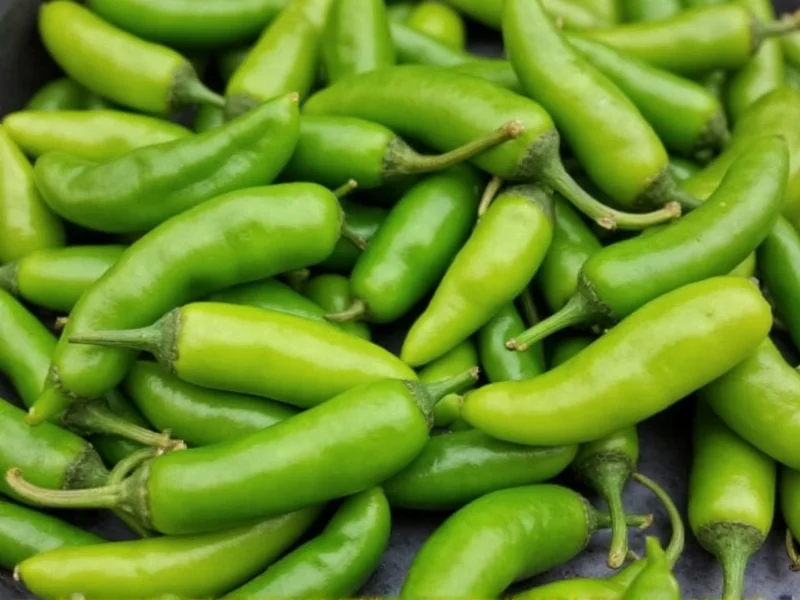
Small green chilli peppers are culinary staples across global cuisines, prized for their vibrant color, fresh flavor, and controllable heat. Unlike their mature red counterparts, these unripe peppers deliver a distinctive grassy, vegetal taste profile that enhances dishes without overwhelming sweetness. Understanding their characteristics helps home cooks and professional chefs alike harness their full potential while managing heat levels effectively.
Common Small Green Chilli Pepper Varieties
Not all small green chillies are created equal. Each variety brings unique characteristics to the table:
| Pepper Variety | Size (inches) | Scoville Heat Units | Flavor Profile |
|---|---|---|---|
| Jalapeño | 2-3.5 | 2,500-8,000 | Grassy, bright, slightly sweet |
| Serrano | 1-2.5 | 10,000-23,000 | Sharp, herbal, clean heat |
| Thai Bird's Eye | 1-2 | 50,000-100,000 | Floral, citrusy, intense heat |
| Fresno | 2-3 | 2,500-10,000 | Similar to jalapeño but fruitier |
| Poblano (when young) | 4-6 | 1,000-2,000 | Mild, earthy, slightly sweet |
When selecting small green chilli peppers varieties for your recipe, consider both size and heat tolerance. Jalapeños remain the most accessible option in supermarkets, while serranos offer more intense heat in a smaller package. Thai bird's eye chillies, though tiny, pack significant punch favored in Southeast Asian cooking. The heat concentration increases as peppers mature, so younger specimens generally provide milder flavor profiles ideal for subtle seasoning.
Understanding Heat Levels in Small Green Chillis
The Scoville scale measures capsaicin concentration, the compound responsible for heat. Small green chilli peppers nutritional benefits include capsaicin's metabolism-boosting properties, but their heat intensity varies dramatically by variety. Serranos typically run 2-5 times hotter than jalapeños of the same size, while Thai varieties can exceed 50 times the heat of milder poblanos.
Heat distribution isn't uniform across the pepper. The placenta (white ribs inside) contains the highest capsaicin concentration, followed by the seeds. The flesh itself carries minimal heat. When preparing small green chilli peppers for cooking, removing ribs and seeds significantly reduces spiciness while preserving flavor. For consistent results in recipes calling for small green chilli peppers, always taste a small piece before adding the entire quantity.
Nutritional Profile and Health Benefits
Small green chilli peppers deliver impressive nutritional value beyond their heat. A single jalapeño (14g) contains:
- 30% of daily vitamin C requirements
- 10% of vitamin B6
- 8% of vitamin K
- Trace amounts of potassium and magnesium
- Nearly zero calories (4 per pepper)
Research indicates regular consumption of small green chilli peppers may support cardiovascular health through capsaicin's anti-inflammatory properties. The thermogenic effect of capsaicin can temporarily boost metabolism by up to 5%, potentially aiding weight management efforts. When incorporating small green chilli peppers into your diet, start with modest quantities to assess tolerance before increasing consumption.
Culinary Applications and Substitutions
Chefs worldwide utilize small green chilli peppers for their bright flavor and controllable heat. In Mexican cuisine, jalapeños feature prominently in salsas verdes and stuffed poblano dishes. Thai cooks rely on bird's eye chillies for authentic curry pastes, while Indian recipes often use serranos in fresh chutneys.
When substituting small green chilli peppers in recipes, consider both size and heat profile:
- For jalapeños: Use serranos at half quantity for similar heat
- For Thai bird's eye: Substitute with cayenne powder (1/8 tsp = 1 pepper)
- Mild alternative: Poblanos or Anaheim peppers
- Intense alternative: Habaneros (use sparingly)
Preserving small green chilli peppers extends their usability. Quick-pickling enhances their bright flavor while reducing raw heat. Freezing whole peppers maintains potency for cooked dishes, though texture changes make them unsuitable for fresh applications. Drying transforms small green chilli peppers into versatile spices—simply thread them on string and hang in a warm, dry location for 2-3 weeks.
Growing and Handling Guidelines
Growing small green chilli peppers at home requires minimal space. Container gardening works well with 5-gallon pots and well-draining soil. Most varieties need 70-80 days from transplant to harvest. Pick peppers when firm and uniformly green for optimal flavor—waiting for red coloration increases sweetness but reduces the characteristic grassy notes.
Safety considerations when handling small green chilli peppers are essential. Always wear gloves when processing hot varieties, and avoid touching your face. If skin contact occurs, wash immediately with soapy water—milk or yogurt can soothe burning sensations. Never use퀵-drying methods like hair dryers, as this concentrates capsaicin vapors that can irritate eyes and lungs.
Frequently Asked Questions
What's the difference between small green chilli peppers and jalapeños?
Jalapeños are a specific variety of small green chilli peppers. While all jalapeños qualify as small green chillies, not all small green chillies are jalapeños. Serranos, Thai bird's eye, and fresnos are other common varieties that share similar size characteristics but differ in heat level and flavor profile.
How can I reduce the heat of small green chilli peppers?
Remove the white ribs and seeds, which contain most capsaicin. Soaking sliced peppers in salt water for 15-20 minutes draws out additional heat. Cooking methods matter too—roasting mellows heat while raw applications deliver maximum spiciness. For significant heat reduction, substitute with milder varieties like poblanos.
Can I substitute red chilli peppers for small green ones?
Yes, but with flavor adjustments. Red chillies are riper versions with sweeter, fruitier notes compared to the grassy freshness of green varieties. Use 25% less red pepper to match green pepper heat, and consider adding a squeeze of lime to replicate the bright acidity of unripe peppers in your dish.
How long do fresh small green chilli peppers last?
Stored in a perforated plastic bag in the refrigerator crisper drawer, small green chilli peppers maintain quality for 2-3 weeks. For longer storage, freeze whole peppers for up to 6 months (texture changes make them best for cooked dishes). Pickling extends shelf life to 6 months in the refrigerator while preserving fresh flavor.
Why do some small green chilli peppers have black spots?
Natural black streaks or spots on small green chilli peppers indicate higher capsaicin concentration and maturity. These are normal and safe to eat, often signaling increased heat potential. However, soft, sunken black areas suggest rot or mold—discard peppers with these characteristics. Always choose firm peppers with vibrant color for best results.




 浙公网安备
33010002000092号
浙公网安备
33010002000092号 浙B2-20120091-4