
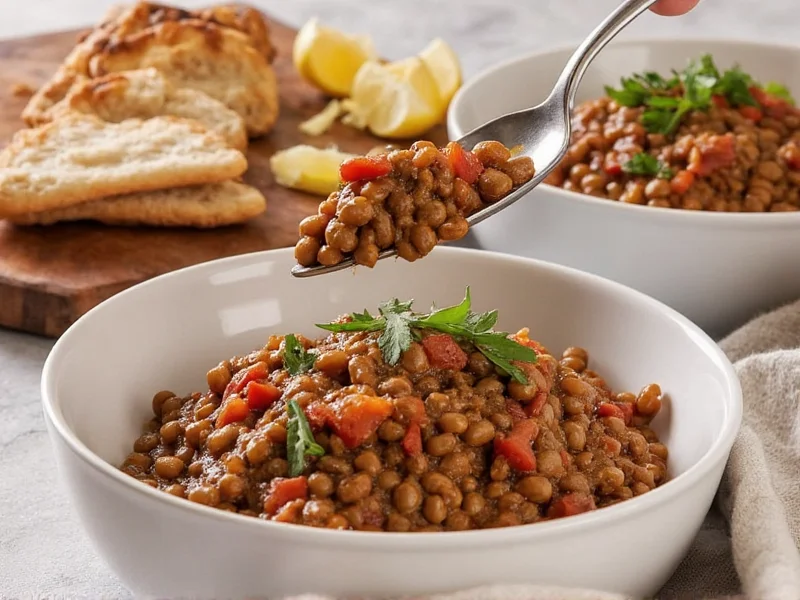
Canned lentils provide a convenient, shelf-stable protein source that maintains most nutritional value of their dried counterparts while eliminating soaking and cooking time. These ready-to-use legumes contain approximately 13 grams of plant-based protein and 15 grams of fiber per cup, making them valuable for vegetarian diets, quick meal preparation, and maintaining pantry staples for unexpected cooking needs.
Nutritional Profile and Health Benefits
Understanding the nutritional value of canned lentils helps maximize their health benefits. While processing slightly reduces certain nutrients compared to home-cooked dried lentils, canned varieties remain nutrient-dense. A standard 15-ounce can (drained) provides:
| Nutrient | Per Cup (Drained) | Daily Value % |
|---|---|---|
| Calories | 230 | 12% |
| Protein | 13g | 26% |
| Fiber | 15g | 54% |
| Folate | 358mcg | 90% |
| Iron | 3.3mg | 18% |
| Sodium (rinsed) | 200-300mg | 10-13% |
The high fiber content supports digestive health and helps maintain stable blood sugar levels, making canned lentils particularly valuable for individuals managing diabetes. Their folate content benefits cardiovascular health and is crucial for pregnant women. When selecting products, look for low-sodium varieties or remember that rinsing reduces sodium content significantly without compromising nutritional value.
Canned Lentils vs Dried Lentils: Practical Comparison
Understanding the differences between canned and dried lentils helps determine when each form works best in your cooking. This comparison of canned lentils versus dried lentils reveals important considerations for meal planning:
- Preparation time: Canned lentils require zero cooking time versus 20-45 minutes for dried varieties
- Texture consistency: Canned lentils have uniform softness while dried lentils offer more texture control
- Sodium content: Unrinsed canned lentils contain 400-700mg sodium per serving versus negligible amounts in unsalted cooked dried lentils
- Cost comparison: Dried lentils cost approximately 30-50% less per serving when prepared at home
- Shelf stability: Canned lentils maintain quality for 2-5 years versus 1-2 years for dried lentils
For time-pressed weeknight dinners, canned lentils provide unmatched convenience. When texture control matters most—as in salads or dishes where distinct lentil shape is important—dried lentils often perform better. Many professional chefs use a hybrid approach: keeping canned lentils for quick meals while using dried varieties for special occasions where perfect texture matters.
Maximizing Flavor and Texture with Canned Lentils
Proper technique transforms canned lentils from convenient to exceptional. The best way to cook with canned lentils involves several key steps that improve both flavor and texture:
- Thorough rinsing: Drain and rinse lentils under cold water for 30-60 seconds to remove excess sodium and canning liquid
- Texture assessment: Check lentils for over-softness; if too mushy, use in purees rather than salads
- Flavor enhancement: Simmer rinsed lentils in broth or seasoned liquid for 5-10 minutes to absorb flavors
- Timing addition: Add to soups and stews during the last 10-15 minutes of cooking to maintain shape
- Acid balance: Add vinegar or lemon juice after cooking to preserve texture
When substituting canned lentils for dried in recipes, use a 1.5:1 ratio (1.5 cups drained canned lentils replace 1 cup cooked dried lentils). For dishes requiring firm lentils like salads, select Puy or French green lentils in cans, which maintain better structure than red or yellow varieties.
Practical Applications and Recipe Ideas
Discovering how to use canned lentils in recipes expands your quick meal options significantly. These practical applications demonstrate the versatility of this pantry staple:
- Lentil salads: Combine rinsed lentils with diced vegetables, fresh herbs, and vinaigrette for ready-in-minutes lunches
- Hearty soups: Add to vegetable or tomato-based soups during final cooking stages for protein boost
- Lentil patties: Mash with egg, breadcrumbs, and spices for quick vegetarian burgers
- Rice bowl additions: Mix with cooked grains, roasted vegetables, and tahini dressing for balanced bowls
- Curry base: Stir into coconut milk-based curries for instant protein without extended cooking
For emergency pantry meals, keep canned lentils alongside canned tomatoes, broth, and spices to create satisfying dishes in under 15 minutes. One simple preparation method involves sautéing onions and garlic, adding drained lentils with a cup of broth, and simmering with spices for a complete meal.
Storage Guidelines for Optimal Freshness
Understanding the shelf life of canned lentils ensures food safety and quality. Unopened cans maintain best quality for 2-5 years when stored in cool, dry places away from direct sunlight. Once opened, transfer unused lentils to an airtight container and refrigerate for 3-5 days.
For longer storage, portion rinsed lentils into freezer-safe bags with their liquid, removing excess air. Frozen canned lentils maintain quality for 6-8 months. When using frozen lentils, thaw overnight in the refrigerator before incorporating into recipes. Always inspect cans before use—discard any with bulging ends, leaks, or rust, as these indicate potential spoilage.
Are canned lentils as nutritious as dried lentils?
Canned lentils retain most nutritional benefits of dried lentils, though processing slightly reduces certain heat-sensitive nutrients like vitamin C. They maintain comparable protein, fiber, iron, and folate content. Rinsing canned lentils reduces sodium without significantly affecting other nutrients. For maximum nutrition, choose low-sodium varieties and rinse thoroughly before use.
Do I need to cook canned lentils before eating?
No, canned lentils are fully cooked during the canning process and safe to eat straight from the can. However, rinsing is recommended to reduce sodium content. For best flavor and texture in most recipes, heat canned lentils briefly in seasoned liquid rather than using them cold from the can, unless preparing salads specifically designed for cold lentils.
How can I reduce the sodium content in canned lentils?
Rinsing canned lentils under cold running water for 30-60 seconds reduces sodium content by 30-40%. For greater reduction, drain the lentils and soak them in fresh water for 10 minutes before rinsing. Choosing low-sodium or no-salt-added varieties provides the most significant sodium reduction. When comparing products, check the nutrition label for sodium content per serving.
Can I substitute canned lentils for dried lentils in recipes?
Yes, you can substitute canned lentils for dried lentils using a 1.5:1 ratio (1.5 cups drained canned lentils replace 1 cup cooked dried lentils). Remember that canned lentils are already soft, so add them later in the cooking process to prevent overcooking. For recipes requiring firm lentils like salads, select canned Puy or French green lentils which hold their shape better than red or yellow varieties.
What are the best recipes for beginners using canned lentils?
Beginner-friendly recipes include lentil salad with lemon vinaigrette, simple lentil soup with canned tomatoes and vegetables, and lentil curry with coconut milk. For the easiest preparation, combine rinsed canned lentils with chopped vegetables, olive oil, lemon juice, and herbs for an instant salad. Another quick option: mix lentils with cooked rice, diced bell peppers, and a tahini dressing for a complete meal in under 10 minutes.
Final Considerations for Canned Lentil Usage
When incorporating canned lentils into your cooking routine, consider both convenience and quality factors. The growing availability of organic and low-sodium options expands choices for health-conscious consumers. While canned lentils offer undeniable time savings, understanding their proper usage ensures you maximize both flavor and nutritional benefits in your meals. By mastering simple techniques like proper rinsing and strategic flavor enhancement, you can transform this pantry staple into restaurant-quality dishes with minimal effort.




 浙公网安备
33010002000092号
浙公网安备
33010002000092号 浙B2-20120091-4