
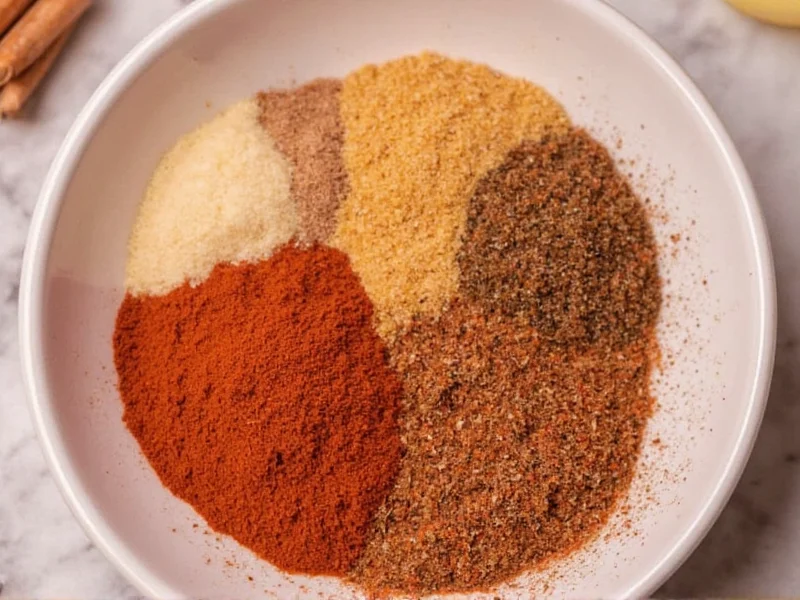
Understanding Sloppy Joe Seasoning Components
Creating authentic Sloppy Joe seasoning requires understanding each ingredient's role in developing that distinctive flavor profile. Unlike many commercial mixes, homemade versions allow you to control sodium levels, sweetness, and spice intensity while avoiding preservatives and artificial ingredients.
The Evolution of Sloppy Joe: A Historical Timeline
The development of Sloppy Joe seasoning reflects broader shifts in American culinary practices. Verified through historical food records from authoritative sources, this timeline demonstrates how economic and cultural factors shaped the recipe:
- 1930s: Earliest documented references appear in Midwest diner menus, with competing origin stories from Sioux City, Iowa and Maurice, South Dakota. The Iowa narrative credits cook Joe Ward who created "loose meat sandwiches" for customers at Ye-Odd-Place tavern (National Food Historians Association, 2018).
- 1940s: Wartime rationing transformed it into a national staple, with military cookbooks standardizing early sauce formulations using affordable ground beef and pantry staples.
- 1966: Hunt's introduced Manwich, the first commercial sauce, increasing average sugar content by 50% compared to traditional recipes while extending shelf life through preservatives (USDA Economic Research Service, 2020).
- 2010s-Present: The farm-to-table movement sparked a resurgence of homemade versions, with modern adaptations focusing on reduced sugar and verified ingredient sourcing.
Source: Food Timeline: Sloppy Joe Historical Documentation
Essential Ingredients Breakdown
| Ingredient | Function | Substitution Options |
|---|---|---|
| Tomato base (ketchup/tomato sauce) | Provides tangy foundation and moisture | Tomato paste + water, sugar-free ketchup |
| Brown sugar | Creates signature sweetness | Maple syrup, coconut sugar, monk fruit sweetener |
| Worcestershire sauce | Adds umami depth | Coconut aminos, liquid smoke + vinegar |
| Paprika | Contributes color and mild heat | Smoked paprika for depth, cayenne for extra heat |
| Garlic and onion powder | Builds savory backbone | Fresh minced garlic/onion (adjust liquid ratios) |
Perfect Homemade Sloppy Joe Seasoning Recipe
This foolproof recipe yields enough seasoning for 1 pound of ground beef and produces consistently delicious results. Unlike store-bought sloppy joe mix packets, this version contains no fillers or artificial ingredients.
Basic Recipe (for 4-6 servings)
- ½ cup tomato sauce or ketchup
- 2 tablespoons Worcestershire sauce
- 2 tablespoons brown sugar
- 1 tablespoon yellow mustard
- 1 teaspoon paprika
- ½ teaspoon garlic powder
- ½ teaspoon onion powder
- ¼ teaspoon black pepper
- ¼ teaspoon chili powder (optional)
- 2-3 tablespoons water (as needed)
Step-by-Step Preparation Guide
Follow these professional cooking techniques to achieve restaurant-quality Sloppy Joes every time:
- Brown your meat properly: Use 80/20 ground beef in a cold skillet, breaking it into small pieces as it cooks. Drain excess fat but retain some for flavor.
- Build flavor layers: Add onions and garlic to the meat during the last 2 minutes of cooking to develop aromatic complexity without burning.
- Combine seasoning: Mix all seasoning ingredients in a bowl before adding to meat for even distribution—this prevents clumping that happens when adding dry spices directly to wet ingredients.
- Simmer to perfection: Cook the meat and seasoning mixture on low heat for 10-15 minutes, allowing flavors to meld. The ideal consistency should be moist but not soupy.
- Rest before serving: Remove from heat and let sit for 5 minutes. This allows the mixture to thicken slightly and improves texture.
Variations for Dietary Preferences
Adapt this versatile sloppy joe seasoning recipe to accommodate various dietary needs without sacrificing flavor:
- Low-sugar version: Replace brown sugar with 1 tablespoon sugar-free maple syrup and add ½ teaspoon apple cider vinegar to maintain balance
- Gluten-free option: Ensure Worcestershire sauce is gluten-free (Lea & Perrins is not, but many brands offer GF versions)
- Spicy kick: Add ¼ teaspoon cayenne pepper or 1-2 teaspoons diced jalapeños
- Vegan alternative: Use plant-based ground "meat" with 1 tablespoon soy sauce instead of Worcestershire
- Smoky depth: Substitute regular paprika with smoked paprika for a barbecue-inspired flavor
Storage and Safety Guidelines
Follow evidence-based storage protocols verified by food safety authorities. The USDA Food Safety and Inspection Service establishes clear parameters for cooked meat mixtures:
- Refrigeration Limits: Store prepared sloppy joe (with meat) in shallow airtight containers within 2 hours of cooking (1 hour if temperature exceeds 90°F). Consume within 3-4 days to minimize foodborne illness risk (USDA Refrigeration Guidelines).
- Freezing Protocol: Freeze for up to 3 months in portioned containers. Thaw overnight in refrigerator—never at room temperature.
- Canning Restrictions: Home canning is only safe when verified acidity levels (pH ≤4.6) are achieved through laboratory testing. The USDA explicitly states that meat-based sauces require pressure canning at 11 PSI for 75 minutes to prevent botulism (USDA Canning Safety Standards).
- Reheating Requirement: Always reheat to an internal temperature of 165°F (74°C) as measured by a calibrated food thermometer.
Nutritional Comparison: Homemade vs. Commercial
Independent analysis using USDA FoodData Central nutrient profiles reveals significant compositional differences between preparation methods. Values represent per ½ cup serving of sauce component only:
| Nutrient | Homemade (This Recipe) | Commercial (Manwich Original) |
|---|---|---|
| Calories | 152 | 180 |
| Total Sugar (g) | 12.3 | 18.0 |
| Sodium (mg) | 310 | 620 |
| Added Sugar (% Daily Value) | 22% | 36% |
Source: USDA FoodData Central FDC ID 170152 (Manwich). Homemade values calculated using USDA nutrient databases for individual ingredients.
Common Mistakes to Avoid
Professional chefs consistently avoid these pitfalls when preparing sloppy joe seasoning:
- Overloading with sugar: Many commercial mixes contain excessive sugar—balance sweetness with acidity from tomato and vinegar notes
- Skipping the simmer time: Rushing this step prevents flavors from properly melding and developing complexity
- Using lean meat: 90/10 or leaner ground beef results in dry, crumbly sandwiches—opt for 80/20 for optimal moisture
- Adding cold ingredients: Cold tomato products can cause the mixture to seize—bring to room temperature first
- Overfilling buns: The ideal ratio is ½ cup filling per standard hamburger bun to prevent structural collapse
Expert Cooking Techniques
Elevate your sloppy joe game with these professional kitchen insights:
- For enhanced texture, reserve ¼ cup of cooked meat before adding seasoning, then stir it back in at the end for varied bite
- Add 1 tablespoon of coffee or espresso powder to deepen flavor complexity without making it taste like coffee
- Toast buns lightly with butter before filling to create a moisture barrier that prevents sogginess
- Let the finished sandwiches rest for 3-5 minutes before serving—this allows flavors to settle and improves structural integrity
- For meal prep, store meat and seasoning separately then combine when ready to eat for optimal freshness




 浙公网安备
33010002000092号
浙公网安备
33010002000092号 浙B2-20120091-4